
Waterfowl Hunting
Waterfowl Hunting Dog Training: Duck Dogs, Goose Dogs, and the Gear They Need
Waterfowl hunting asks more of a dog than almost any other discipline. Cold water, heavy cover, long retrieves, multiple birds down simultaneously, and the self-control to sit motionless in a blind while ducks work the decoys or geese circle a field spread — a finished waterfowl dog is one of the most capable animals in the field. Whether you're running a retriever in a marsh blind on mallards or steadying a dog through the chaos of a Canada goose field hunt, the foundation is the same: control, marking ability, and the confidence to enter cold water without hesitation.
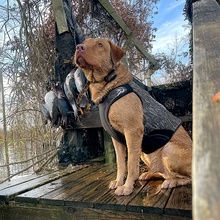
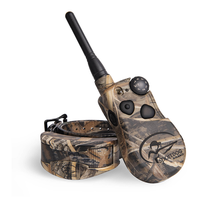
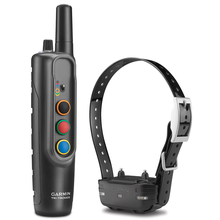
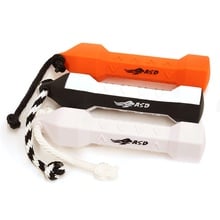
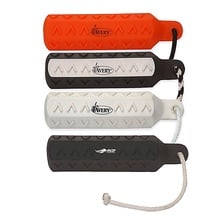
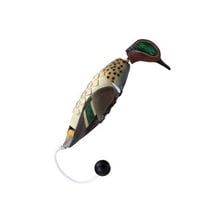
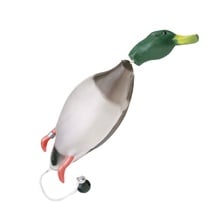
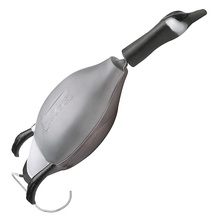
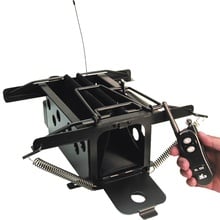
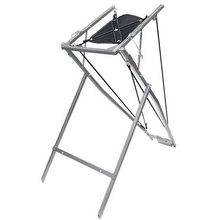
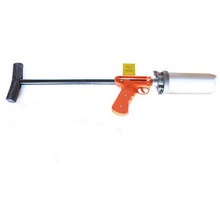
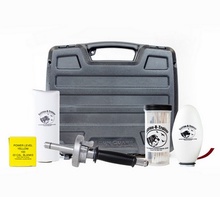
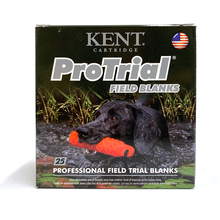
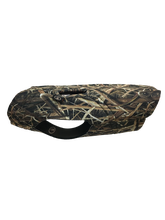
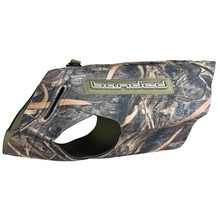
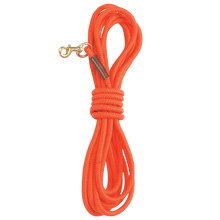
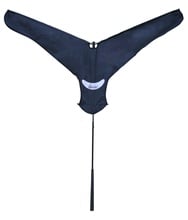
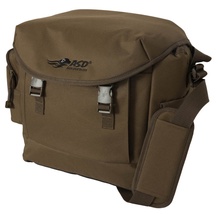
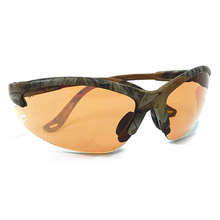
The products below cover the full range of waterfowl dog needs: training gear that builds a steady retriever from the ground up, insulated neoprene parkas and vests for cold-water retrieves and late-season conditions, retrieving dummies and bumpers for marking and blind retrieve work, and waterproof e-collars and GPS systems built for the marsh and the blind.
Questions about what's right for your dog, your marsh, or your goose field — call us at 800-338-3647. We've been doing this since 1971.



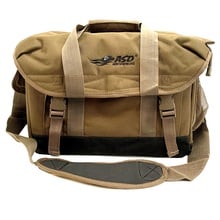
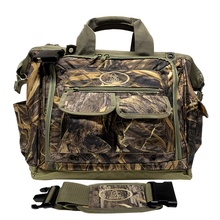
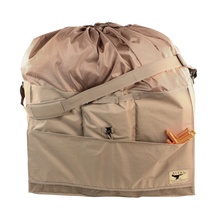
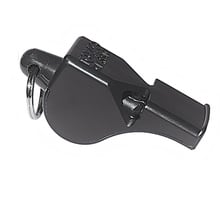
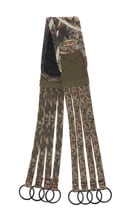
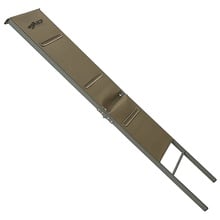
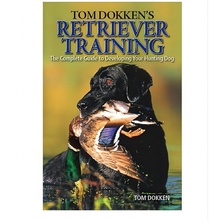
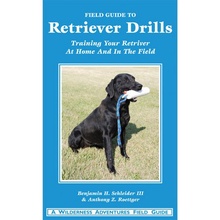
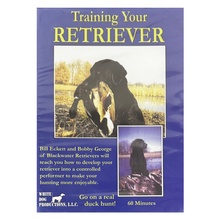
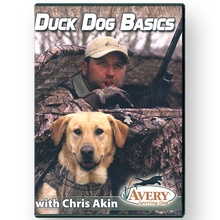
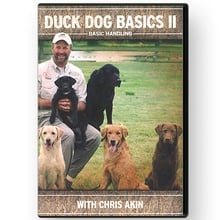
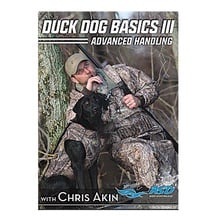


Duck Hunting vs. Goose Hunting: Same Dog, Different Demands
The retriever working a duck marsh and the retriever steadying through a Canada goose field hunt are doing the same job — controlled, precise retrieves on command — but the environment, the volume of birds, and the specific challenges differ enough to prepare for each deliberately.
Duck hunting puts your dog in close, complex work: decoy spreads, cattail edges, open water retrieves, and the possibility of multiple birds down in different directions simultaneously. A duck dog needs reliable marking at distances that vary from 20 yards to 200, the ability to take a line and handle to a blind retrieve across open water, and the steadiness to sit through the noise and motion of a working blind without breaking until sent. Cold water entries are the physical test — a dog working repeated retrieves in 38-degree water in December is doing hard work, and gear that keeps it warm between retrieves directly extends how long it can perform.
Goose hunting shifts the environment to open country — cut cornfields, harvested grain fields, and big spreads that can stretch hundreds of yards across. The retrieve distances are often longer, the birds are heavier, and the blind sit is more demanding because a goose field hunt can involve long periods of inactivity followed by sudden, intense shooting. A goose dog that fidgets, whines, or breaks in a layout blind costs the hunter birds and flares the next flock. Blind steadiness built through the place command — held under extended duration and distraction — is the specific preparation goose hunting demands above everything else.
Both disciplines share the same training foundation: reliable obedience, whistle handling, marking, and cold water confidence. The gear overlaps heavily — a waterproof e-collar and an insulated parka are non-negotiable for both. Where they diverge is in how you handle the dog in the field and what you ask of its steadiness and marking at distance.
Duck Dog and Goose Dog Training: Four Skills That Matter
Blind steadiness is the foundation. A dog that breaks on the shot — or fidgets and whines while birds are working — is a liability in any blind. Build it through the place command: a specific spot the dog holds regardless of decoys, calling, and gunfire. Build duration in the yard first, then add progressive distractions until the dog holds through full hunting conditions without second thought.
Marking is the ability to watch a bird fall and drive directly to the area of the fall. Good marking dogs use their eyes during the shot and their nose on the water. Multiple marks require the dog to hold each fall in memory and retrieve in the right sequence — typically closest bird first. Marking is developed through progressive dummy work, building from single marks to doubles and triples as the dog's memory and focus develop.
Blind retrieves send the dog to a bird it didn't see fall, guided by the handler's whistle and hand signals. The dog must take a straight line, respond to a whistle sit, and take a directional cast — back, over left, or over right — until it finds the bird. The baseball drill is the standard training foundation. Blind retrieve work requires solid obedience and whistle handling before it begins — there are no shortcuts.
Cold water confidence is physical and psychological. Build water work year-round so cold entries are habit by the time the season opens. A neoprene parka or insulated vest extends your dog's working capacity in cold water significantly and is standard equipment for any serious late-season waterfowler.
Waterfowl Dog Gear Built for Real Conditions
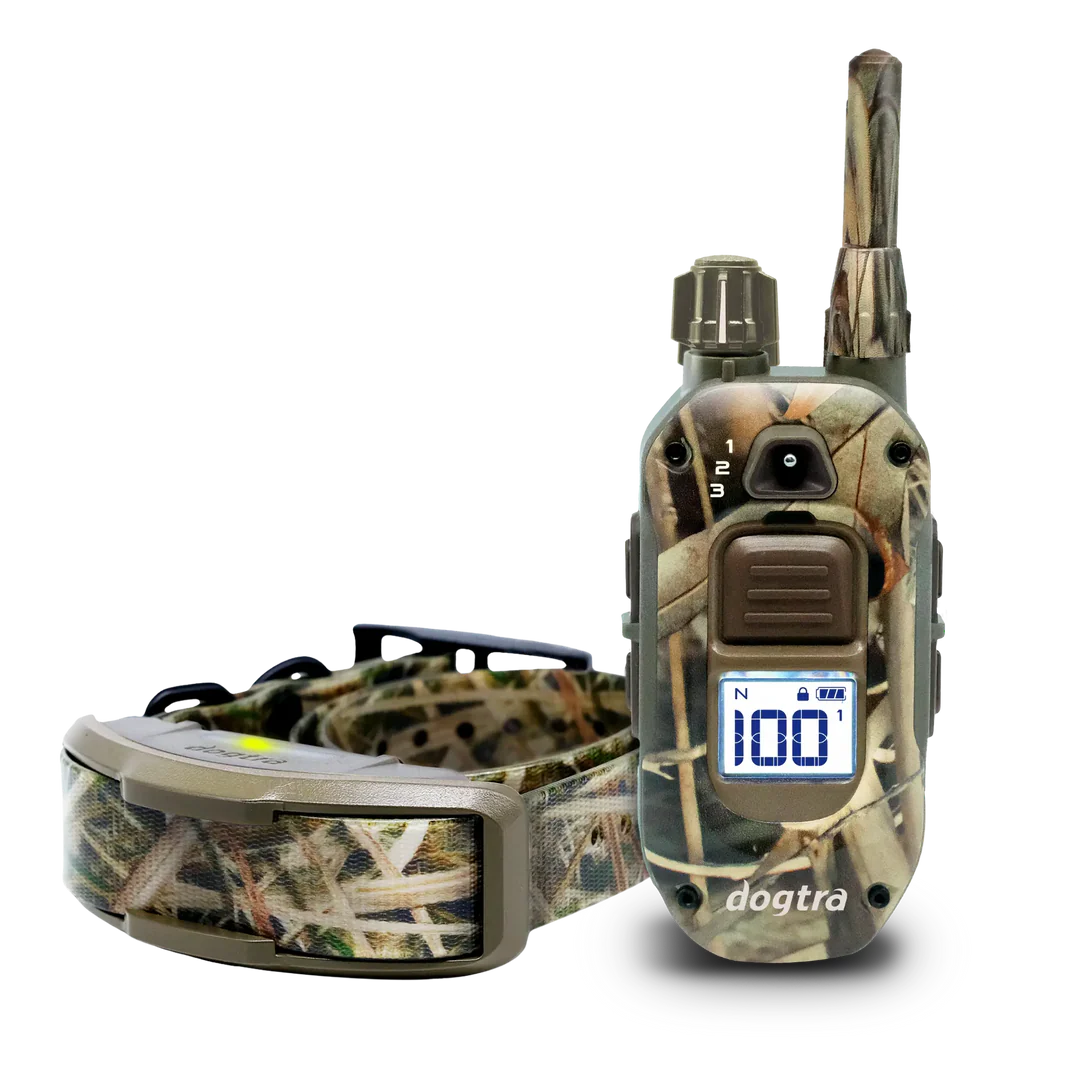
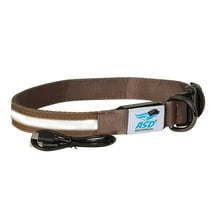
Waterfowl gear has to function in conditions that destroy equipment not built for it — full submersion, mud, freezing temperatures, and constant moisture are the baseline. Waterproof e-collars rated for full submersion are non-negotiable; splash-resistant collars will fail in the marsh. Look for compact, low-profile receivers that don't snag in the blind or catch decoy lines, and transmitters a hunter can operate with gloves on. The waterproof systems we carry from Garmin, SportDog, Dogtra, and DT Systems are all tested for full waterfowl conditions.
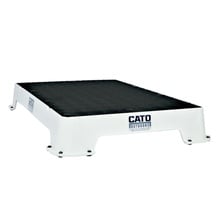
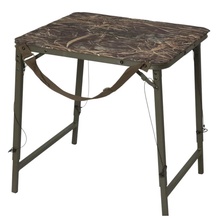
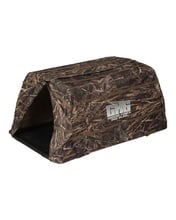
Dog platforms and blind mats give your dog a dry, elevated surface to rest on between retrieves. A dog sitting in cold marsh water between every retrieve burns heat it needs for the next entry. A platform in the blind is simple, inexpensive insurance that extends your dog's comfortable working time on cold mornings.
Frequently Asked Questions: Waterfowl Dog Training and Gear
What is the most important thing to train a waterfowl dog to do?
Steadiness in the blind — the ability to sit motionless and quiet through working birds, calling, and shooting without breaking until sent. Every other skill depends on a dog that is under control. Build steadiness first and build it to hold under real pressure before the season opens.
Is training a goose dog different from training a duck dog?
The foundation is identical — both need reliable obedience, marking, whistle handling, and cold water confidence. What differs is emphasis. Goose hunting demands a longer, more sustained blind sit and often involves longer retrieve distances across open country. Duck hunting demands more complex marking in tighter environments with more variables. A dog trained solidly for one discipline transitions to the other with relatively little adjustment.
What's the difference between a marked retrieve and a blind retrieve?
A marked retrieve is when the dog watches the bird fall and drives to the area of the fall using memory and nose. A blind retrieve is when the dog didn't see the bird fall and must be handled to it by the hunter using whistle sits and directional casts. Marked retrieves come first in training; blind retrieve work begins once the dog has solid obedience and whistle handling.
Does my waterfowl dog need an insulated vest or parka?
For early-season warm-weather hunting — no. For any serious late-season hunting in cold water and cold air — yes. An insulated parka extends the amount of time a dog can work in cold water before its core temperature drops to a point where performance and safety are compromised. A dog shivering in the blind between retrieves is already too cold. Gear up before that point, not after.
When should I start water training with my retriever puppy?
As early as eight to ten weeks in warm, shallow, calm water with zero pressure. Let the dog set the pace — the water confidence built in early puppyhood carries through its entire working life. A puppy that has a frightening first water experience may take months to recover. See our Gun Dog Puppy Training page for the full early development sequence.
What e-collar features matter most for waterfowl hunting?
Full waterproofing rated for submersion. A compact, low-profile receiver that won't snag in the blind or catch decoy lines. Camo or low-visibility housing that won't flare birds. And a transmitter the hunter can operate with gloves on in cold weather. All of those features are covered in the waterproof e-collar and GPS systems we carry from Garmin, SportDog, Dogtra, and DT Systems.
Can I use the same dog for both waterfowl and upland hunting?
Yes — and many hunters do exactly that. The obedience and retrieve foundation transfers cleanly between disciplines; what differs is the environment and specific field skills. See our Upland Hunting page for the specific training and gear considerations for bird dog work in the field.
Related Resources
- Dog Vests & Parkas — insulation and protection for cold-water retrievers
- Retrieving Dummies & Bumpers — training tools for every stage of retriever development
- Health & Wellness — keeping your dog sound through a full waterfowl season
- Books & DVDs — retriever training programs from proven experts
- Gun Dog Puppy Training — building the foundation before the first season
- Upland Hunting — for dual-purpose dogs that work both disciplines
- All Activities — training and season guides for every discipline
Since 1971, Dogs Unlimited has been the source serious waterfowl hunters trust for the training gear, waterproof electronics, and cold-weather equipment that keeps a duck dog or goose dog performing from opening day through the last morning of the season. Questions about gear for your dog or your water? Call us at 800-338-3647 — we're hunters too.