
Blank Pistols and Accessories
Starter Pistols, Blank Guns & Handler Carry Gear for Gun Dog Training
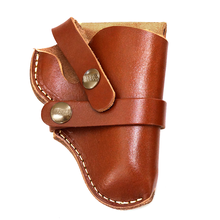
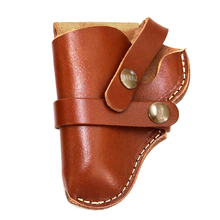
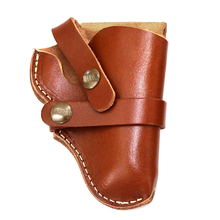
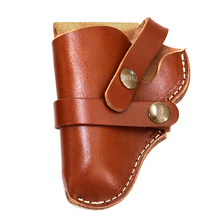
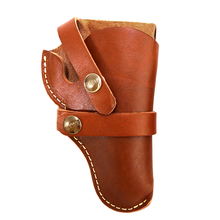
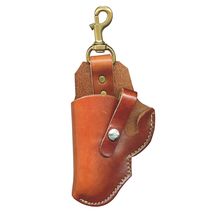
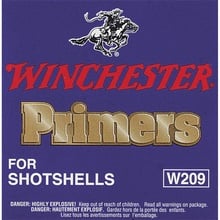
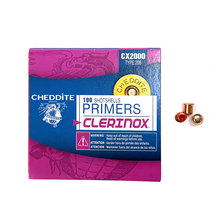
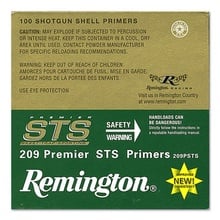
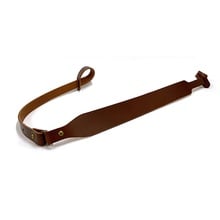
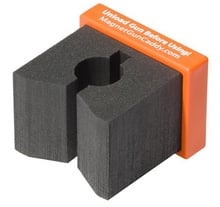
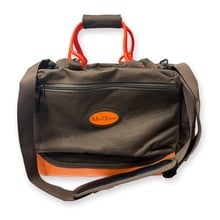
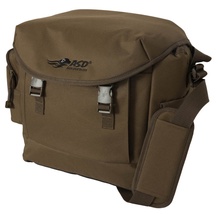
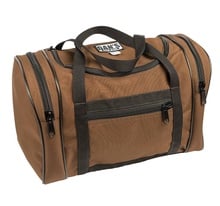
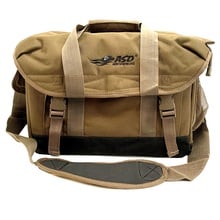
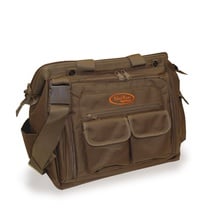
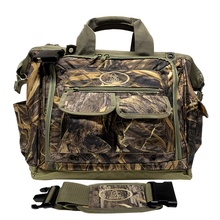
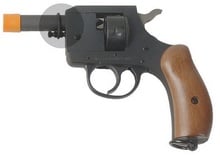
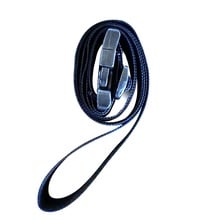
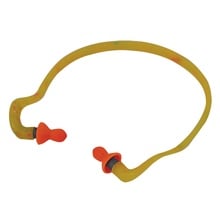
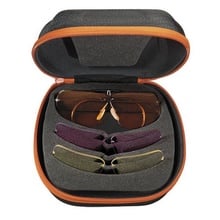
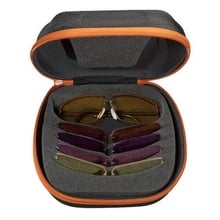
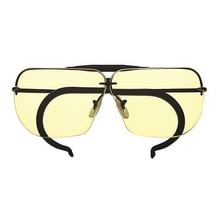
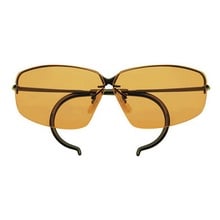
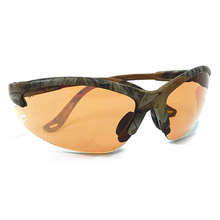
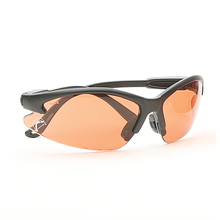
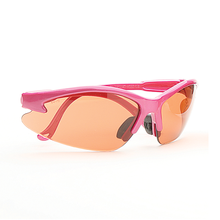
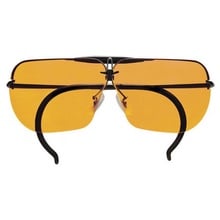
A starter pistol is the most-used piece of equipment on a serious training day — and a core part of the full hunting dog training gear kit that handlers carry to field trials and hunt tests. Getting the system right means matching the blank gun to the right consumable: .22 blank revolvers and starter guns run on .22 blank cartridges, while 209 primer pistols use 209 primers — keep those stocked separately and labeled clearly so you're not sorting through gear mid-session. If you're just starting a young dog on birds, a starter pistol introduces the report in a controlled way before you move to a shotgun. The Charter Arms PRO series revolvers are the standard that serious handlers reach for, available in both .22 and 209 configurations. The Traditions 209 primer pistol is a capable, lower-cost entry point into the 209 system. Beyond the blank pistol itself, carry setup matters — a leather holster and pistol lanyard keep the gun secure when you're managing a dog, a check cord, and a training plan at the same time. Handler bags from Avery and Mud River organize everything from primers to dummies in a setup you can carry all day. For extended sessions on the line, gloves, banded hearing protectors, and Decot sport glasses round out a complete carry kit — Decot has been the eyewear of choice on field trial grounds for a long time and the quality shows in the price. Questions about pistol selection or system setup? Call us at 800-338-3647.
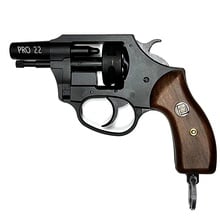
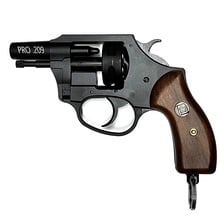
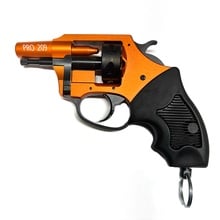




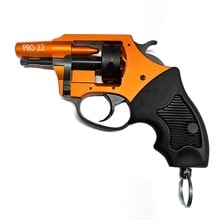
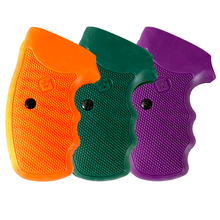
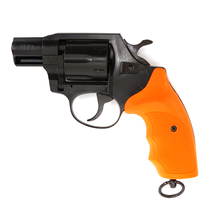
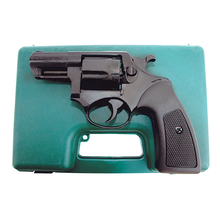
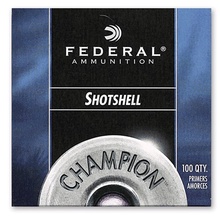
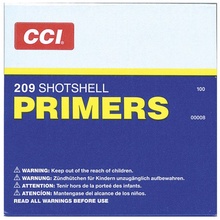
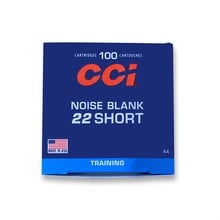
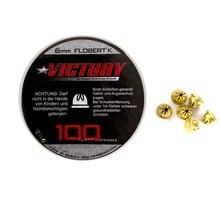
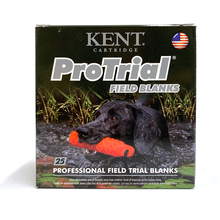
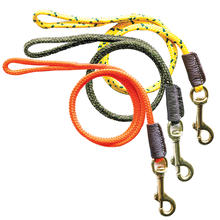
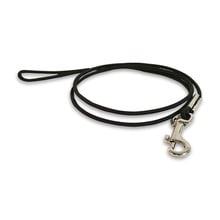
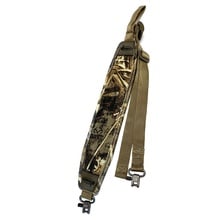
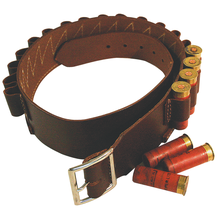
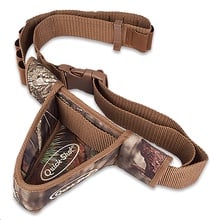
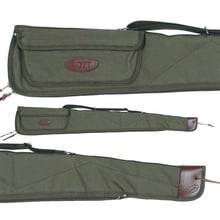
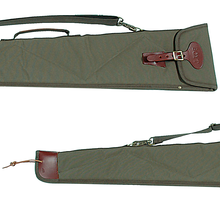
Choosing blanks, primers, and the right carry setup
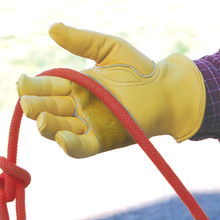
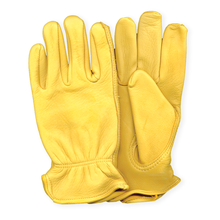
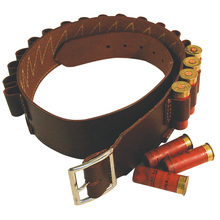
Match your setup to how you train and what your pistol takes. .22 blanks are common for starter pistols and revolvers, while 209 primer pistols use 209 primers, so keep those supplies separate and clearly labeled. A belt holster and pistol lanyard help keep the pistol secure when you’re handling a dog, moving through cover, or working multiple dogs in a day. Gloves can matter in cold or wet weather when you still need a clean draw and positive grip. Add sport glasses and hearing protectors when you’re shooting in close company or running repeated drills.
Blank pistol training questions that come up in the field
What’s the difference between .22 blanks and 209 primers?
.22 blanks are cartridges used in .22 blank revolvers and starter pistols, while 209 primers are shotgun-style primers used in 209 primer pistols. The pistol type determines which ignition and reload style you’ll be working with during drills.
How do I choose between a .22 blank revolver and a 209 primer pistol?
A .22 blank revolver uses .22 blank cartridges, while a 209 primer pistol uses 209 primers, so the choice starts with what consumables you want to stock and handle. The right pick is the one you can reload and run cleanly when you’re managing a dog, a check cord, and a training plan.
When should I use a blank pistol during bird dog training?
A blank pistol gets used when bird dog training needs a gun report to reinforce steadiness and timing without live fire. A blank pistol is most useful during structured drills, group training days, and hunt test preparation where consistent timing matters.
What carry gear matters most when running a blank pistol in the field?
A blank pistol holster and a pistol lanyard matter most because they keep the pistol secured while your hands are on the dog and gear. A stable belt setup also reduces fumbling when you need to fire and then get back on the dog fast.
Do I really need eye and ear protection for blank pistols?
Eye protection and hearing protectors are still important with blank pistols because you’re dealing with close-range noise and debris. Sport glasses and ear protection are a simple part of running safe, repeatable training drills.
What should I keep in a blank pistol training bag for hunt tests?
A blank pistol training bag for hunt tests should carry your blanks or 209 primers, along with a secure holster and lanyard so gear stays organized between series. Eye protection and hearing protectors also belong in the same kit so you don’t skip them when the pace picks up.