
Dog Vests for Hunting Dogs and Working Companions
Hunting Dog Vests for Upland Cover, Waterfowl Retrieves, and Every Condition Between
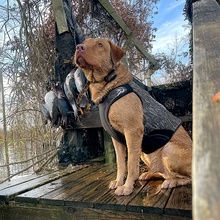
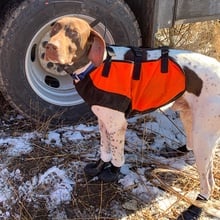
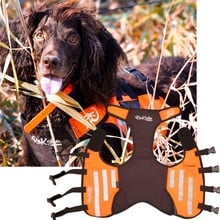
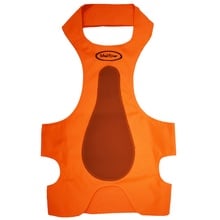
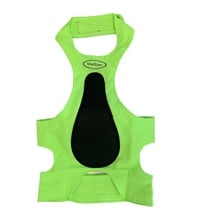
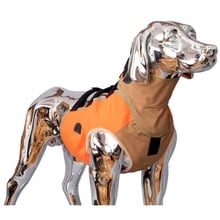
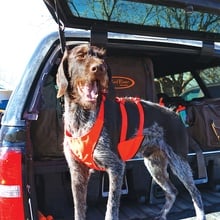
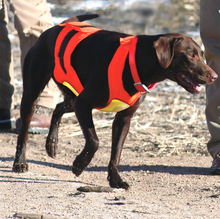
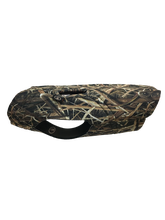
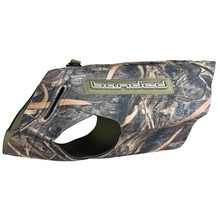
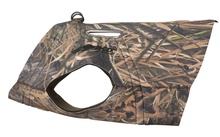
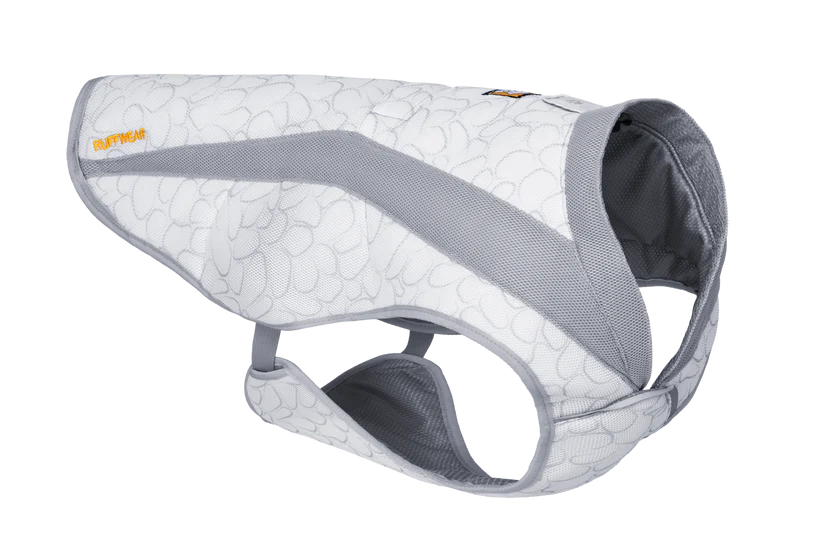
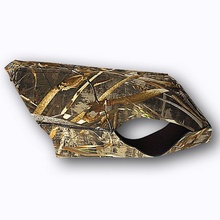
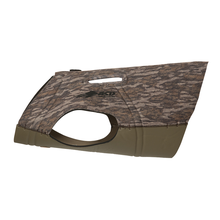
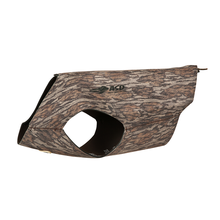
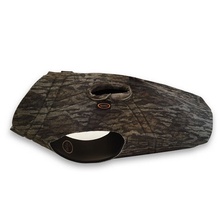
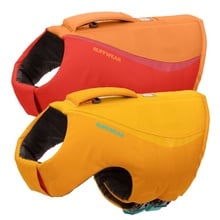
Hunting dog vests protect the parts of a working dog that briars, cattails, ice water, and rough cover punish hardest — chest, shoulders, and underside — and we've been fitting gun dogs for the right vest since 1971. Pair any vest here with dog boots for hunting to build out complete ground-up field protection, and see the waterfowl dog gear page for the full late-season retriever lineup including dog blinds, kennel mats, and lighted collars. For upland work in CRP and briars, the ReKoile Sure Fit upland vest in orange and the Mendota Skid Plate chest protector put coverage where brush hits hardest without restricting a hard-running dog. The Mud River sporting dog chest protectors in orange and green and the Sylmar Body Guard vest are the lighter-coverage options when you want targeted protection without a full wrap. The TurtleSkin DogArmor is the serious choice for snake country or extreme brush where nothing else is going to hold up. For waterfowl and repeated cold-water retrieves, the Avery Standard Dog Parka, Avery Body Shield Pro, Avery Boater's Dog Parka, Banded 5mm Dog Parka, and DU by Mud River Deluxe vest in Habitat and Bottomland cover the insulation and protection spectrum — choose based on how cold, how wet, and how many retrieves the dog is making in a day. The RuffWear Swamp Cooler handles the opposite problem — early season and warm training days when heat is the issue, not cold. For boat work and water entries where flotation matters, the RuffWear Float Coat adds buoyancy and a grab handle for pulling a dog back aboard. Fit matters as much as coverage — a vest that twists or binds at the shoulder will wear on a dog faster than the cover will. Questions about which vest fits your dog and how you hunt? Call us at 800-338-3647.



How to choose the right dog vest
Start with the terrain. In thorny upland cover, a dog chest protector can add focused protection up front without extra bulk. For waterfowl hunting, a waterfowl dog vest or dog parka helps when cold, wet retrieves stack up and wind never lets off. If boat work is part of the routine, a dog life jacket adds flotation and a clear grab point for lifting the dog back aboard. Fit matters as much as material—look for a cut that stays put at speed and doesn’t bind the shoulders on hard-running dogs.
Dog vest questions field trainers ask
What’s the difference between a dog chest protector and a hunting dog vest?
A dog chest protector focuses coverage on the front of the dog where brush and ice hit hardest. A hunting dog vest typically adds broader wraparound coverage for shoulders and underside in thicker cover.
Waterfowl dog vest vs dog parka: how do I choose?
A waterfowl dog vest usually emphasizes protection and fit for repeated retrieves in wet cover. A dog parka adds more insulation coverage when late-season cold and wind are the bigger problem.
When should a dog life jacket be used instead of a hunting vest?
A dog life jacket is the right choice when flotation and safe handling in water are the main needs. A hunting dog vest is the right choice when brush protection and field durability matter more than flotation.
How should a hunting dog vest fit a hard-running dog?
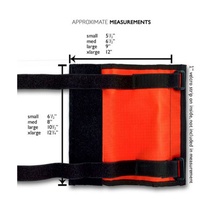
A hunting dog vest should sit snug without sliding back or twisting when the dog accelerates or turns. A hunting dog vest also needs free shoulder movement so the stride stays natural in heavy cover.
What visibility options make sense for upland hunting?
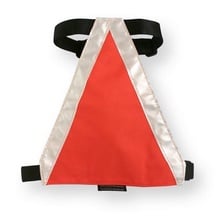
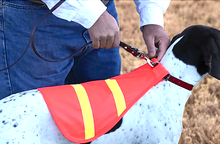
A safety orange dog vest is a common choice for upland hunting when you want high visibility in grass, brush, and changing light. A dog safety vest can also help handlers keep track of a fast dog at range.
What dog vest should I use for early-season heat?
A cooling dog vest is the right pick when heat management matters more than insulation. A cooling dog vest can be used during warm training days when the dog is working hard in the sun.