
No Bark Equipment for Working Dogs and Serious Pets
Stop nuisance barking without overcorrecting
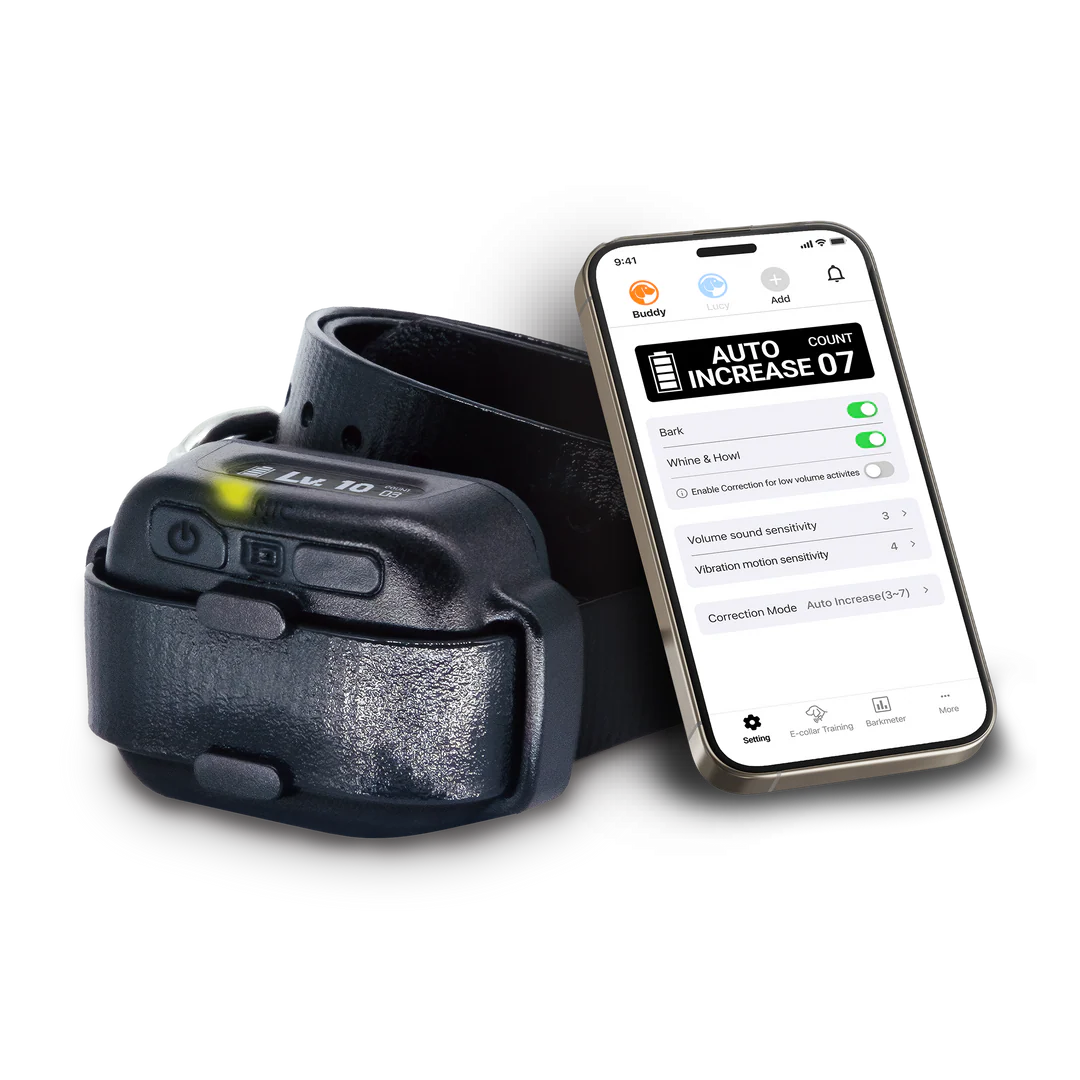
All-day kennel runs and close-quarters housing can turn nuisance barking into a training problem fast, especially with dogs that stay amped up between work. No bark training collars address that problem when you need consistent feedback while you’re handling chores, traveling, or rotating dogs through a kennel. The goal is simple: stop the barking without derailing steadiness, drive, or general obedience work. Focus on fit at the contact points, the correction levels available, and whether you prefer a rechargeable no bark collar for regular use.


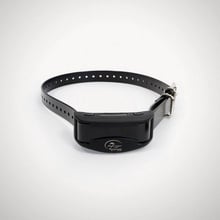
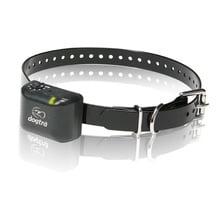
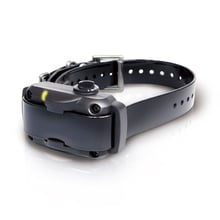
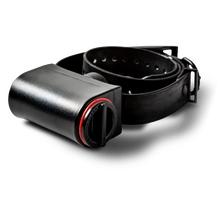
Picking the right collar and settings
A no bark collar should match the dog’s size, coat, and where the collar rides on the neck so contact stays consistent through movement and wet conditions. For kennel bark control, start with the lowest level that stops the behavior and let the collar do steady, repeatable work instead of jumping straight to heavy correction. If you run multiple dogs or use the collar often, a rechargeable no bark collar keeps the routine simple and reduces downtime between sessions. Keep the collar tight enough to stay put, and rotate position to reduce irritation during longer stretches.
No-bark collar questions working dog owners ask
What is a no bark training collar?
A no bark training collar is a collar that detects barking and delivers a correction to reduce nuisance barking. A no bark training collar is used when you need consistent feedback without standing over the dog.
What’s the difference between a no bark collar and an e-collar?
A no bark collar corrects automatically when barking is detected, while an e-collar is triggered by the handler for commands and training moments. A no bark collar is mainly for nuisance barking, and an e-collar is for broader obedience and field work.
When should I use a kennel bark control setup?
A kennel bark control setup makes sense when barking is happening during downtime in runs, crates, or close-quarters housing. Kennel bark control is most effective when you also address the trigger, like excitement, pacing, or dogs feeding off each other.
How do I choose correction levels for a bark collar?
Correction levels should start low and only go up if the barking continues. Correction levels that are set too high can create avoidance behavior instead of quiet kennel manners.
Is a rechargeable no bark collar worth it for daily use?
A rechargeable no bark collar is a practical choice when the collar is used often or rotated between dogs. A rechargeable no bark collar keeps your routine consistent without relying on frequent battery changes.
What should I say when voice-searching for this gear?
A clear voice-search query is “no bark training collars for kennel barking.” Another useful voice-search query is “rechargeable no bark collar for nuisance barking.”