
Dog Boots for Field Work, Kennel Durability, and Harsh Weather
Dog Boots for Hunting — Keeping Working Dogs on Their Feet in Hard Conditions
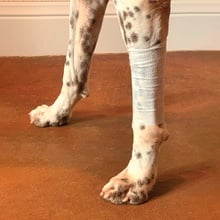
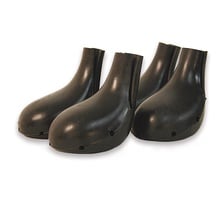
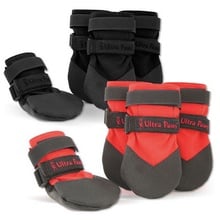
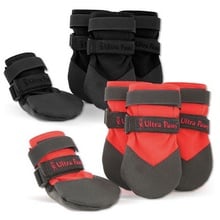
Dog boots for hunting are what stand between a good dog and a shortened season — and handlers who reach for them early keep their dogs in the field longer than those who wait for pads to show damage. We've been fitting working dogs since 1971, and that pattern hasn't changed. Pair dog boots with hunting dog vests and chest protectors for complete field protection from the ground up, and see hunting dog visibility equipment — reflective collars, LED collars, and safety vests for keeping a booted dog visible in low light and heavy cover. Lewis vented dog boots are the longtime standard for hunting conditions — breathable construction keeps a dog from overheating on long runs while protecting pads from cuts and abrasion. RuffWear Grip Trex boots are the traction-and-protection combination for mixed terrain where slipping and pad wear show up together on wet rock and gravel. The PawFlex protective sleeve cover handles hotspots, dewclaw rubs, and lower-leg abrasion when a full boot isn't the right call but bare skin is taking damage. Fit matters as much as material — a boot that spins cuts circulation and rubs worse than no boot at all. Questions about sizing or which boot fits your terrain and season? Call us at 800-338-3647.


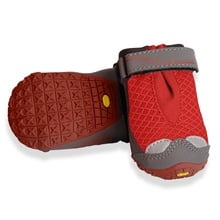
Picking boots that stay put and protect pads
Start with the problem you’re solving: sharp cover and rock call for tougher pad protection, while snow and ice often demand more coverage and a snug closure that won’t pack with debris. Fit should be tight enough to prevent spinning but not so tight that it cuts circulation when a dog swells after miles in the field. Watch for rubbing at the dewclaw and along the pastern; a protective sleeve cover can help when a dog is prone to hotspots. For kennel durability, focus on boots that stay on during repeated in-and-out movement and don’t turn slick on wet concrete.
Dog boot fit, use, and field handling
What are dog boots used for in hunting and training?
Dog boots are used to protect pads and lower legs from abrasion, cuts, and ice during hunting, training, and kennel time. Dog boots also help reduce wear when a dog is running hard on gravel, frozen ground, or crusted snow.
How should dog boots fit a working dog?
Dog boots should fit snug without twisting, slipping, or pinching when the dog is running. Dog boots that spin or slide usually cause rubbing at the dewclaw, pastern, or toes.
What’s the difference between vented dog boots and rugged dog boots?
Vented dog boots focus on airflow and lighter coverage for warm conditions and long runs. Rugged dog boots focus on tougher pad protection when the ground is sharp, rocky, or frozen.
When should I use a protective sleeve cover instead of a boot?
A protective sleeve cover is useful when the issue is rubbing, hotspots, or lower-leg abrasion rather than pad cuts. A protective sleeve cover can also be paired with dog boots to reduce rubbing around the leg.
How do I keep dog boots from coming off in the field?
Dog boots stay on best when the closure is tight, the fit doesn’t allow twisting, and the hair around the lower leg is kept from packing under straps. Dog boots should be checked after the first hard run because swelling and debris can change fit.
What are Grip Trex Dog Boots typically chosen for?
Grip Trex Dog Boots are typically chosen when traction and pad protection both matter on mixed terrain. Grip Trex Dog Boots are often used on rock, gravel, and wet ground where slipping and pad wear show up fast.