
Leather Dog Leashes
Leather Dog Leashes and Leads for Training, Field Work, and Every Day Between
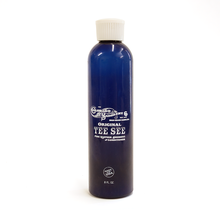
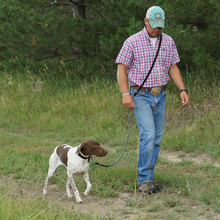
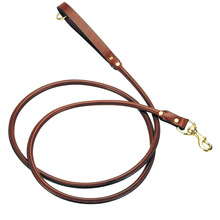
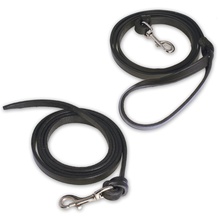
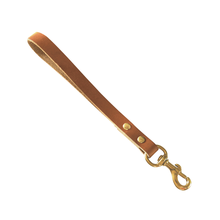
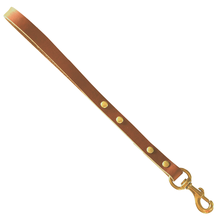
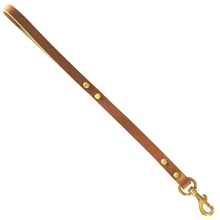
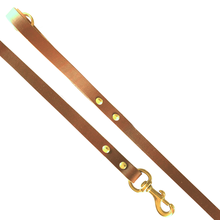
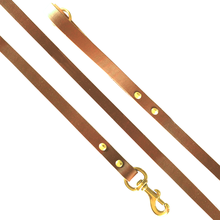
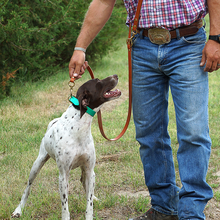
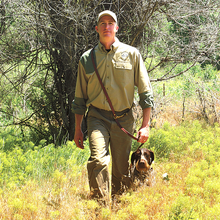
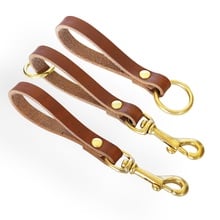
Leather dog leashes have stayed in training yards and on field trial grounds for generations because the feel in the hand is something coated materials don't quite replicate — and because a well-made leather lead, properly cared for, outlasts most of what else is in the gear bag. The FieldKing BTL bridle leather leads cover the full length range from a 12" heeling lead for tight control at the truck or moving to the line, through a 20" traffic lead for crowded situations, a 48" walking lead for everyday handling, and a 72" training lead for drills where a dog needs room to work. The 96" BTL Jaeger lead and the Mendota leather Jaeger lead are the hands-free options — worn around the neck or over the shoulder, they keep a dog under control without occupying your hands on the walk in. The FieldKing Belgian bridle leather leads are the heavy-duty choice in black with nickel hardware, and the Mendota rolled snap lead is the premium option when you want a round profile that sits comfortably in the hand over a long day. Leather conditioner is on the page for a reason — leather that sees wet conditions needs it. These pair naturally with the leather dog collars and sit within the full dog leashes and leads lineup. Questions about which length fits your work? Call us at 800-338-3647.

Choosing the right leather lead length and style
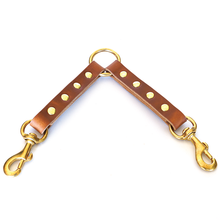
Match the leather dog lead to how you handle the dog most of the time. A heeling lead stays short for tight control at the truck, in the yard, or moving between holding blind and the line. A walking lead gives you more line for everyday handling without turning into a tangle. A training lead is useful when you want controlled freedom on drills where a dog may surge, stall, or change direction. A leather dog coupler helps when you’re managing two dogs at once and want one hand free for gear.
Leather leash FAQs for training and field use
What’s the difference between a heeling lead and a walking lead?
A heeling lead is a short leather lead meant for tight, close control at your side. A walking lead is longer and gives a dog more room while still keeping a solid connection.
When should I use a traffic lead instead of a standard lead?
A traffic lead is the right choice when you need to keep a dog very close in crowded or high-control situations. A traffic lead reduces slack so you can manage quick direction changes without wrapping line around your hand.
Are rolled leather snap leads better than flat leather leads?
A rolled snap lead is typically chosen when you want a round profile in the hand while still getting leather grip and feel. A flat leather lead is often preferred when you want a wider surface and a more traditional lead feel.
How do I pick the right lead length for training drills?
A training lead length should match the amount of controlled freedom you want during a drill while still letting you stop forward motion quickly. A short lead keeps things tight for obedience and steadiness work, while a longer lead is useful when you need space without losing the dog.
What is a leather dog coupler used for?
A leather dog coupler connects two dogs to one handler so you can manage both on a single lead. A leather dog coupler is useful when moving dogs to and from the truck, airing runs, or walking two dogs without juggling separate leads.
What should I use to maintain a leather dog leash?
Leather conditioner is used to keep leather from drying out and getting stiff over time. Leather conditioner is especially useful after repeated wet conditions and handling grit and dust.