
Nylon Dog Leashes for Training, Walking & Hunting
Nylon Dog Leashes and Leads — Practical Control for Training and Hunting
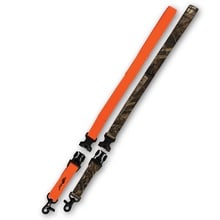
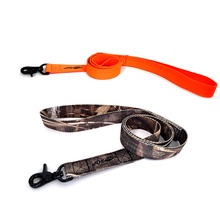
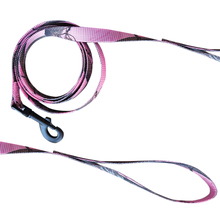
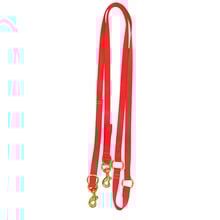
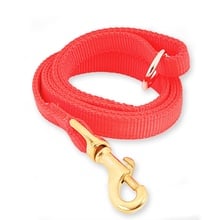
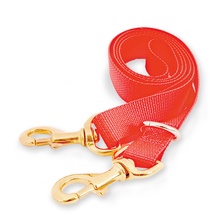
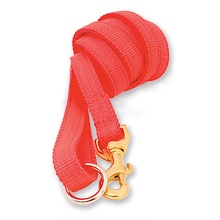
Nylon dog leashes are the practical end of the dog leashes and leads section — and they pair naturally with the nylon dog collars for a complete everyday setup. They wash clean, hold up in wet conditions, and at these prices you can keep a spare in every truck box. The length you choose drives the job: a 24" traffic lead keeps a dog tight when you're moving through parking areas or loading at the truck, the 48" and 56" walking leads cover everyday handling and heeling work, and the 72" obedience lead gives the extra room that structured drills sometimes need. Single ply runs lighter in the hand while two ply adds body for dogs that pull. The nylon Jaeger lead is the hands-free option here — same concept as the full Jaeger lead lineup but in nylon for handlers who want that function without the leather price. Questions? Call us at 800-338-3647.

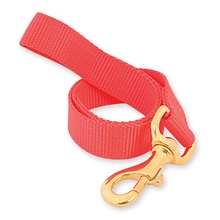

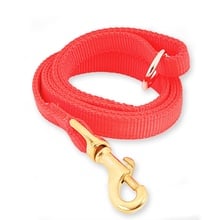
Choosing the right nylon lead length and style
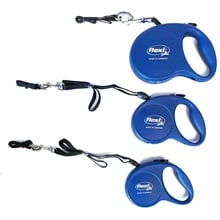
Start with the job. A traffic lead is the right tool when you need a dog tight to your leg around vehicles, kennels, or crowds. A walking lead gives everyday control for steady heeling and simple handling drills, while an obedience lead provides extra length for structured work without stepping on the line. If you like one-handed control for casual walks, a retractable dog leash changes how much line the dog can take, but it’s a different feel than a fixed lead. Pay attention to single ply vs two ply nylon leads when you want a thinner feel or a stiffer, heavier lead in hand.
Nylon leash questions from trainers and hunters
What’s the difference between a traffic lead and a walking lead?
A traffic lead is a short lead meant to keep a dog close for tight control. A walking lead is longer so a dog can move naturally while you keep consistent contact.
Single ply vs two ply nylon leads: which should I choose?
Single ply nylon leads are typically thinner and lighter in hand. Two ply nylon leads add thickness and structure that many handlers prefer when a dog pulls or surges.
What lead length makes sense for obedience work?
An obedience lead is usually longer than a standard walking lead to give room for structured handling. An obedience lead helps maintain control while allowing a bit more distance during drills.
Are retractable dog leashes a good choice for training?
A retractable dog leash is mainly for variable-distance walking rather than precise handling. A fixed-length nylon lead is usually easier for consistent cues and clean leash pressure.
What should I use when moving a dog around trucks and kennels?
A traffic lead is the common choice for moving a dog around vehicles and kennel areas. A traffic lead keeps slack to a minimum so you can prevent tangles and quick lunges.
Hey Google, what nylon leash should I use for hunting season?
A nylon dog leash for hunting season should match how close you need to keep the dog and how much line you want to manage. A shorter lead helps in tight staging areas, while a longer lead gives more room when walking in and out of cover.