
Visibility Dog Collars for Field and Training
Visibility Dog Collars — Reflective and LED for Every Light Condition
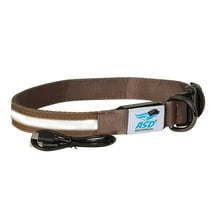
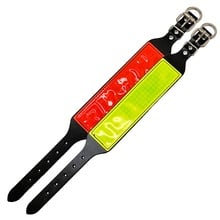
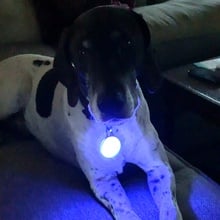
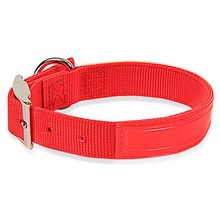
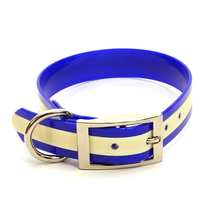
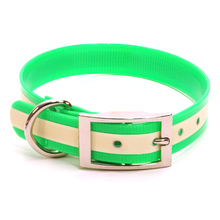
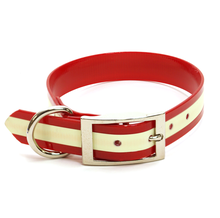
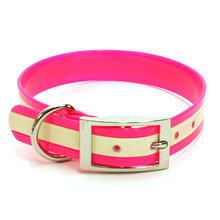
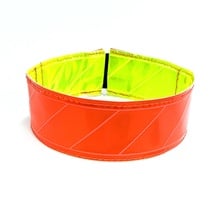
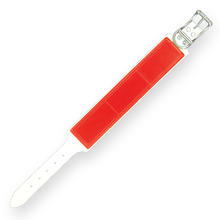
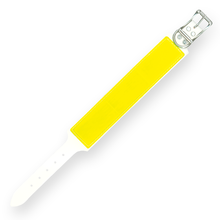
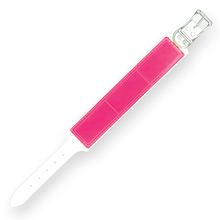
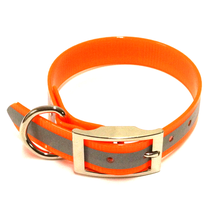
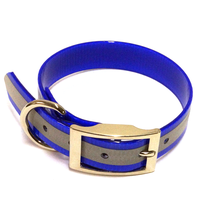
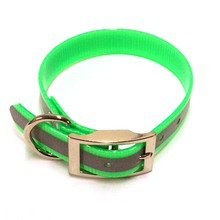
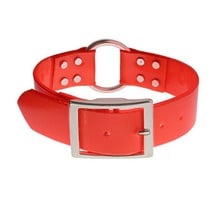
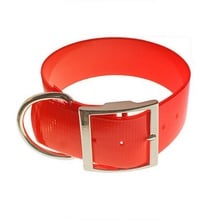
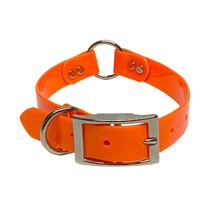
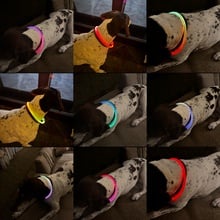
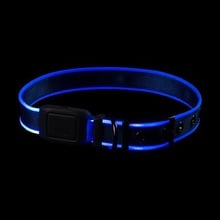
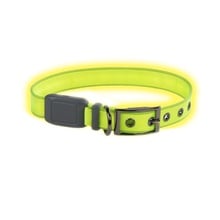
Anyone who has watched a dog disappear into cattails at last light or lost track of a running dog in CRP understands what visibility gear is actually for — it's a practical tool that sits within the broader hunting dog collar lineup for keeping track of a dog when color alone stops being enough. The choice between reflective and active LED comes down to one question: is there a light source to work with or not. Reflective collars from FieldKing and the standard nylon lineup do the job at dusk and dawn when a headlamp or truck lights are in play — the collar throws the beam back and the dog is easy to find. When it's genuinely dark — a predawn marsh, a late-evening kennel run, a flooded timber blind at 5am — the Nite Ize rechargeable LED collars and the Avery lighted collar give you an active light source that doesn't depend on anything except a charge. The FieldKing field trial reflective collars earn their place in competitive events where judges and gallery need to track dogs moving at real distance across open ground, and where a collar that reads clearly under any sky is part of showing up prepared. For handlers who want visibility beyond the collar, the full hunting dog visibility equipment lineup covers vests, beepers, and locating equipment. Questions about which option fits your conditions? Call us at 800-338-3647.



Choosing the right visibility collar setup
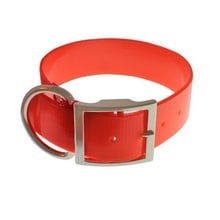
Start with the condition you’re dealing with most often: headlights and handheld lights call for reflective material, while true darkness pushes you toward a glow or LED option. Collar width matters in real use—wider collars are easier to see and easier to grab when you need a quick handle, while narrower collars keep bulk down for day-to-day training. Pay attention to closure and hardware style so the collar stays put when a dog hits cover hard. For dogs that work around water or marsh edges, choose a setup you can rinse and put back to work without fuss.
Visibility collar questions handlers ask
What’s the difference between reflective, glow, and LED dog collars?
Reflective dog collars only show up when light hits them, while glow dog collars and LED dog collars stay visible without a beam. LED dog collars are easiest to track in full darkness because the light is active and consistent.
When should I run a wider visibility collar instead of a narrow one?
A wider visibility dog collar makes a dog easier to spot and gives you more collar to grab when handling close. A narrow visibility dog collar keeps weight and bulk down when the dog is wearing it for longer stretches.
Are lighted dog collars useful in marsh or cattails?
Lighted dog collars help you keep visual contact when a dog drops into cattails or reed lines where color alone disappears. Lighted dog collars are also useful at the truck or boat landing when it’s dark and dogs are moving.
How do I choose a field trial visibility collar for training days?
A field trial visibility collar should prioritize quick identification and clean visibility when dogs are moving at distance. A field trial visibility collar also needs hardware that stays secure when the dog is running hard and turning fast.
Which is better for dusk work: a reflective collar or a glow collar?
A reflective dog collar is the better choice at dusk when you’re routinely sweeping a light across the dog. A glow dog collar is the better choice when you want steady visibility without depending on a beam.
What should I say when I’m searching by voice for this type of collar?
A good voice search phrase is “visibility dog collars for low light field training.” Another useful voice search phrase is “reflective dog collars and lighted dog collars for evening runs.”