
Field Trial & Hunt Test Dogs Gear
Field Trial & Hunt Test Dog Gear for Competition Days and Conditioning
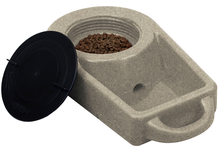
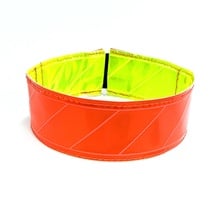
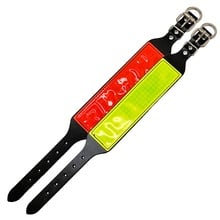
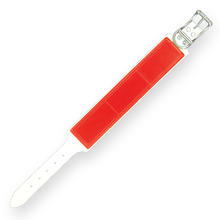
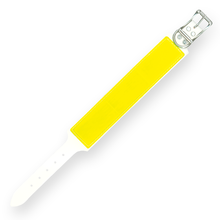
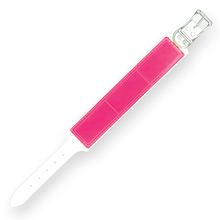
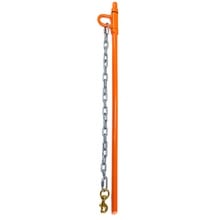
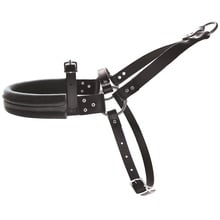
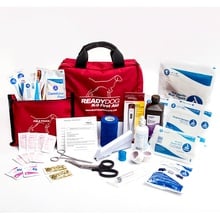
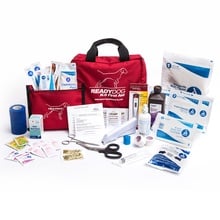
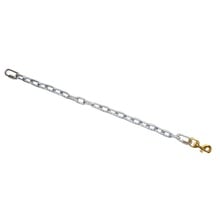
Field trial dog gear is where preparation shows — a dog that arrives at the line conditioned, sound, and properly identified gives the handler one fewer problem to manage when the work begins. Pair with field trial handler gear — vests, holsters, and handler bags — to equip both sides of the team correctly, and see dog boots for hunting for the full pad protection lineup when grounds are abrasive or frozen. FieldKing field trial reflective collars in red-orange, lime-yellow, and hot pink keep dogs visible to judges and gallery at distance while moving in cover — the leather reflective collar at 17" is the traditional competition option for handlers who run that way. For conditioning work, the padded roading harness and FieldKing Belgian bridle leather roading harness let you log controlled miles without loading the neck during the weeks before a trial. The FieldKing dog stake-out and tie-out drop chain handle secure containment at the truck and trailer between runs where a hard dog needs to settle without tangling. Dog boots from Lewis Dog Boots and RuffWear Grip Trex, plus Tuf-Foot and Happy Jack Pad Kote, address the foot care that keeps a dog useful through a full season of trials rather than scratched at their most important event. PawFlex bandages in basic, medimitt, universal joint, and protective sleeve handle field first aid when a dog needs a wrap before you can get to a vet or to protect them from wear points. The Ready Dog gun dog first aid kit and professional kit belong in the truck or trailer at every event — the handlers who have been to enough trials know why. K-9 Restart and K-9 BlueLite handle electrolyte recovery on the hard days that follow long series. Questions about competition day preparation? Call us at 800-338-3647.





How to choose trial and test gear that holds up
Start with the job you’re doing that day: keeping a dog secure at the truck, roading for conditioning, or getting through a long day without sore feet. A dog stake-out system matters when ground is frozen, sandy, or packed, because stability keeps a hard dog from tangling or pulling out. Reflective dog collars are about quick ID in low light and tall cover, not looks. Dog boots and pad care are worth planning for when you’re running on gravel roads, cattails, or crusted snow. Keep a gun dog first aid kit close and stocked so you can handle cuts, wrap a joint, and get back to work.
Field trial and hunt test gear FAQs
What is a dog stake-out system used for in field trials?
A dog stake-out system secures a dog at the truck or trailer between braces without needing a kennel spot. A stable tie-out setup helps prevent tangles and keeps handling predictable when dogs are excited and rotating quickly.
Roading harness vs. check cord: what’s the difference?
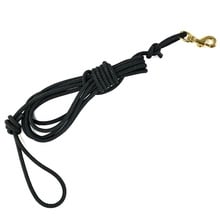
A roading harness is for controlled conditioning work alongside a handler or vehicle where steady pull and body position matter. A check cord is for distance control during training when you need a long line for handling and steadiness work.
When do field trial handlers use reflective dog collars?
Reflective dog collars get used when dogs are moving in low light, tall cover, or along roads where quick visibility matters. Reflective collars help handlers keep track of dogs during airing, stake-outs, and transitions between runs.
What should be in a gun dog first aid kit for test day?
A gun dog first aid kit should cover bleeding control, basic bandaging, and protection for common foot and leg issues. A first aid kit is most useful when it includes wrap materials and supplies you can apply fast at the truck.
How do I know if my dog needs dog boots for training?
Dog boots make sense when footing is abrasive or sharp, such as gravel roads, stubble, crusted snow, or icy edges. Dog boots also help when a dog is already tender and you need protection to finish a conditioning week.
What’s the difference between a dog tie-out and a stake-out setup?
A dog tie-out is the connection method that attaches a dog to a fixed point, often using a chain or drop chain. A stake-out setup includes the ground anchor and layout so the dog stays secure and the line stays manageable.