
Dog Containment Systems
Fence systems that set clear boundaries for dogs
Out in the yard, at a kennel run, or around a training setup, dog containment systems keep a dog inside a defined boundary without relying on a physical barrier. They get picked when you need dependable limits for a hard-driving dog that ranges, pushes fences, or tests property lines. Use them to control where a dog can go while still giving room to air out, stretch, and settle between work. The right setup comes down to the boundary style, receiver fit, and the small accessories that keep an installation consistent season after season.
Choosing the right containment setup
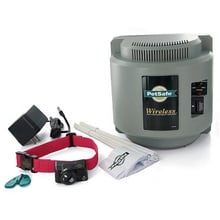
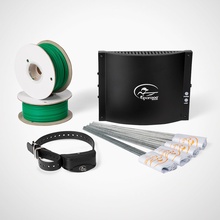
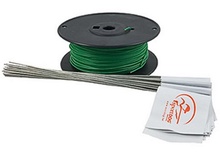
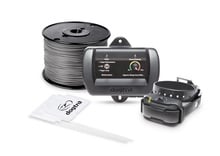
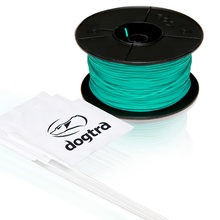
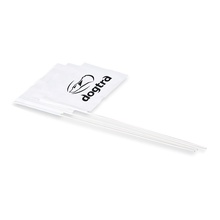
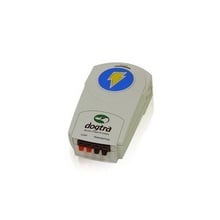
Start by deciding between a wireless fence layout or an in-ground fence layout based on how fixed and how precise the boundary needs to be. In-ground systems let you shape corners, lanes, and narrow gaps; wireless systems simplify setup where a circular boundary works. Plan for expansion if you’ll add another dog, and keep an extra receiver on hand to match the system already in use. Details matter over time: boundary flags help with early training, and a lightning or surge protector can prevent setbacks after storms.
Containment system questions
What’s the difference between a wireless fence and an in-ground fence?
A wireless fence sets a circular boundary from a base unit, while an in-ground fence uses buried wire to shape the boundary. An in-ground fence layout is the choice when you need custom lines along driveways, corners, or tight property edges.
How do I add a second dog to an existing containment system?
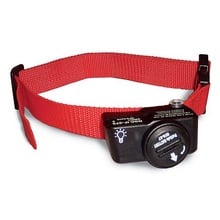
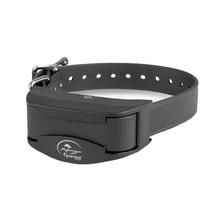
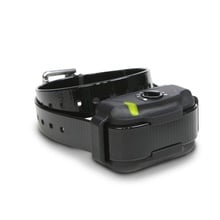
An add-a-dog collar or extra receiver pairs with the existing fence system so another dog can run the same boundary. An expansion kit is used when the layout needs more coverage or additional components for the same system.
When should I use training flags with a containment system?
Containment flags should be used during the first training period so the dog can see the boundary while learning it. Containment flags can also be brought back any time a dog starts testing the line after a break in routine.
Do I need a surge protector for an in-ground fence system?
A lightning surge protector is used to protect an in-ground fence system from electrical spikes during storms. A lightning surge protector is a practical add-on for exposed runs, long wire routes, and areas that see frequent summer weather.
What should I check first if a containment boundary seems inconsistent?
An in-ground fence wire route and connections should be checked first because weak splices or damaged wire can cause intermittent boundary behavior. A receiver collar fit should also be checked so contact stays consistent during running, rolling, and daily wear.
What’s the simplest way to contain a dog without running wire?
A wireless containment system is the simplest way to contain a dog without running wire. A wireless containment system works best when a round boundary matches the space you’re trying to keep clear.