
Gun Dog Puppy Training
Gun Dog Puppy Training: Start Right, Hunt Better
The dog you'll have in the field five seasons from now is being built right now — in your yard, in your truck, at the kitchen door. Gun dog puppy training isn't a single event. It's a daily series of small decisions that either build good habits or let bad ones take root. Get the foundation right and every season gets easier. Rush it, and you'll spend years undoing mistakes that didn't have to happen.
Dogs Unlimited has been outfitting serious hunters and their dogs since 1971. Everything on this page is gear we stand behind for every stage of your hunting dog puppy's development — from first collar to first bird.
When to Start Training Your Gun Dog Puppy
The day you bring your puppy home. Not at six months, not when the puppy "seems ready." The moment your pup walks through the door, everything you do is a training session whether you intend it to be or not. That doesn't mean formal drills at eight weeks — it means establishing habits. Calm handling, name recognition, coming when called, sitting before meals, riding quietly in a crate. These are not optional warmups before the real training starts. They are the real training.
A gun dog puppy that learns to focus, follow, and trust its handler in the first weeks of life will absorb formal obedience and bird work faster and more durably than a puppy that spends those weeks learning that ignoring you has no consequences.
Puppy Training Timeline: What to Work on and When
| Age | Focus |
|---|---|
| Weeks 8–16 | Socialization, name recognition, basic recall, crate comfort, leash introduction. Keep sessions under five minutes. Make everything a game. |
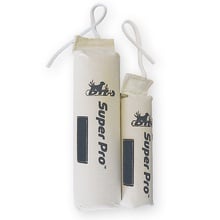
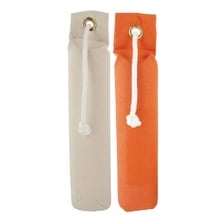
| Months 4–6 | Sit, stay, and here as reliable commands. Introduce retrieving with a canvas puppy dummy — keep it fun and short, never drill to the point of boredom. |
| Months 6–9 | Whistle commands to back up verbal cues. Check cord work to build recall reliability at distance. Begin gun introduction carefully — this step cannot be rushed. |
| Months 9–12 | Steadiness work, longer retrieves, and obedience under distraction. Introduce bird scent and bird contact based on the individual dog's readiness. |
| 12–18 Months | Full field training, pattern work, and preparation for first hunting season. |
Introducing Your Gun Dog Puppy to Gunfire
This is the step most commonly mishandled by first-time gun dog owners — and the one that causes the most lasting damage when it goes wrong. A gun-shy dog is a heartbreaking outcome that is almost entirely preventable.
Build positive associations with loud noises before any firearm is introduced. Clapping, banging feed pans, and cap guns at distance while the puppy is doing something it loves — eating, chasing a dummy, playing — gradually condition the puppy to understand that noise predicts good things. When you move to a blank pistol, start at 40 yards or more. Watch your puppy's body language carefully. Any hesitation, ear drop, or flinch means you've moved too fast. Step back and rebuild. The field is not the place to find out you skipped this step.
What Gear Does a Gun Dog Puppy Actually Need?
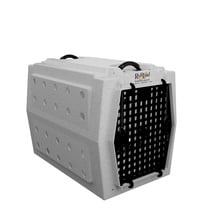
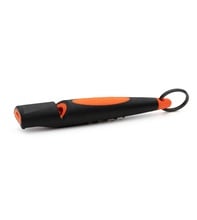
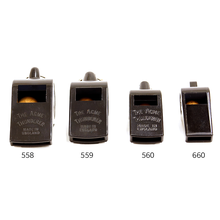
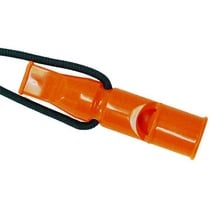
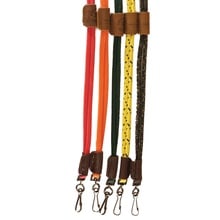
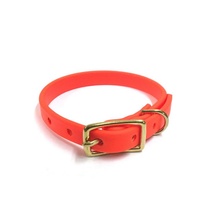
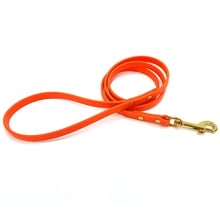
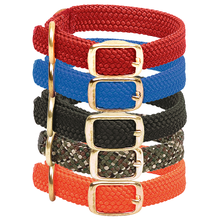
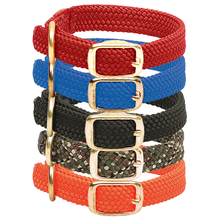
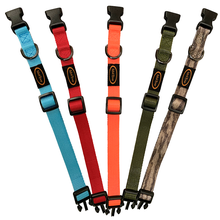
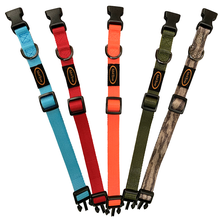
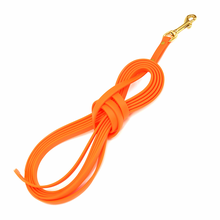
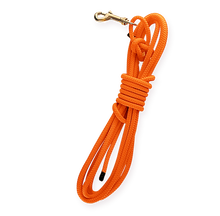
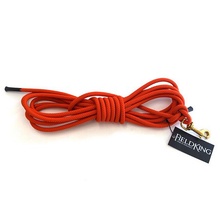
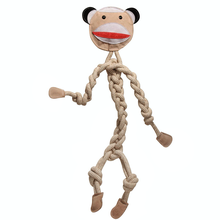
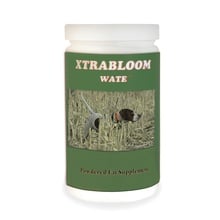
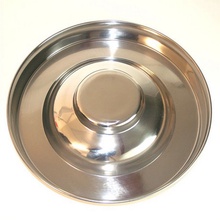
The honest answer is less than most people think. A well-fitted puppy collar, a 6-foot training lead, a check cord, a handful of canvas dummies, a whistle, and a crate will take you through the first year of hunting dog puppy training without needing anything else. The products below are what we recommend at each stage — chosen because they're what serious hunters and professional guides actually use, not because they're the most expensive option on the shelf.








Frequently Asked Questions: Gun Dog Puppy Training
When should I start training my gun dog puppy?
Start the day you bring your puppy home. Early weeks focus on socialization, crate training, and basic recall — all of which build the obedience foundation every hunting discipline requires. Waiting until six months means losing the most receptive learning window your puppy will ever have.
What is the most important command to teach a gun dog puppy first?
Recall — coming reliably when called — is the single most important command a gun dog can have. Everything else builds on top of it. A dog that doesn't come when called can't be trained safely off-lead and can't be trusted in the field. Build it early, build it solid, and proof it under distraction before moving on.
How do I introduce my puppy to birds?
Start with bird scent on a dummy, then move to wing-clipped birds once obedience and retrieve drive are established. The goal is to build enthusiasm for birds, not overwhelm a young dog before it has the confidence to handle the experience. Let the puppy's body language tell you when it's ready to move forward.
How long should puppy training sessions be?
Five to ten minutes for young puppies, always ending on a success. Multiple short sessions throughout the day outperform one long session every time. Puppies have limited attention spans — train to theirs, not yours. If the puppy loses focus or starts making mistakes, end the session. You haven't failed. You've just found the limit for today.
At what age can I introduce an e-collar to my gun dog puppy?
Most experienced trainers recommend waiting until basic obedience is solid — typically no earlier than six months, and only after the dog reliably understands the commands the e-collar will reinforce. The e-collar is a precision communication tool, not a shortcut or a correction device for a dog that doesn't yet understand what's being asked. See our full selection of electronic training collars and call us at 800-338-3647 if you need help choosing the right system for your dog's age and training stage.
What's the difference between training a retriever puppy and a pointing breed puppy?
The obedience foundation is identical — both need reliable recall, sit, stay, and heel before serious bird work begins. Where they diverge is in what you're developing once birds enter the picture. Retriever puppies are being shaped toward steadiness, marking, and delivery to hand. Pointing breed puppies are being developed for range, independent bird-finding, and eventually a staunch point. The gear overlaps heavily in the early months; the training objectives begin to separate around six to nine months.
Should I follow a structured training program or figure it out as I go?
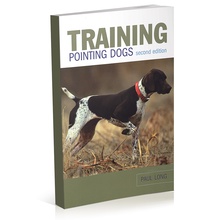
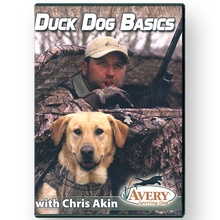
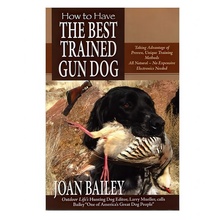
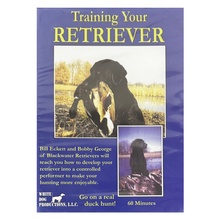
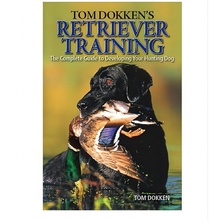
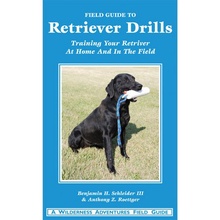
Follow a program, especially for a first gun dog. The mistakes most people make aren't from being bad trainers — they're from skipping steps that seem unnecessary until the dog shows you why they weren't. A good training book or DVD gives you the full sequence so you know what comes next and why. Our training books and DVDs cover proven programs for both retriever and pointing breeds at every experience level.
Keep Building: What Comes After Puppy Foundation Work
A solid puppy foundation is the beginning, not the destination. Once your gun dog has reliable obedience and is comfortable with birds and gunfire, the next step depends on what you hunt. Follow the links below to find gear, training guidance, and product recommendations specific to your discipline.
- Hunting Dog Training Gear — the full training equipment catalog for every stage
- Training Collars & GPS Systems — when your dog is ready for the next level of communication
- The Dog Afield — gear for the dog that's ready to hunt
- Health & Wellness — keeping your dog sound through training and into hunting season
- Books & DVDs — structured training programs from proven experts
- All Activities — training and season guides for upland, waterfowl, field trials, and more
Since 1971, Dogs Unlimited has been the source serious hunters trust for gun dog training supplies, hunting dog gear, and expert product guidance. Whether you're starting your first puppy or finishing an experienced dog, we carry the equipment that works in the real field. Questions? Call us at 800-338-3647 — we're hunters too.
Puppy training and care FAQs
What is a puppy check cord used for?
A puppy check cord is used to control distance while teaching recall, place, and basic manners. A puppy check cord lets you guide the pup without grabbing at the collar or getting into a pulling match.
How is a puppy check cord different from a leash?
A puppy check cord is longer than a leash so the pup can move out while you keep control. A leash is shorter and works better for close handling like walking to the truck or around the kennel.
When should I start using bird training dummies with a puppy?
Bird training dummies can start as soon as a pup will pick up and carry without turning it into keep-away. Bird training dummies work best in short, upbeat sessions that end before the pup loses interest.
How do I choose the right size puppy collar?
A puppy collar size should be based on the pup’s current neck measurement, not age or breed. A puppy collar should be checked often because fit changes quickly as the pup grows.
What should I use to stop puppy chewing on leads and gear?
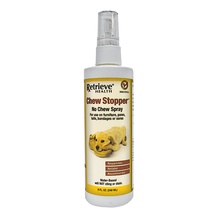
Chew training products are used to discourage chewing on check cords, leads, and kennel hardware. Chew training products work best when you apply them consistently and pair them with supervision and a redirect to a toy.
Hey Google, what do I need for puppy training at home?
Puppy training at home usually starts with a puppy check cord, a puppy collar, and chew training products for clear boundaries. Puppy training at home goes smoother when sessions stay short and you keep the same routine day to day.