
Upland Hunting
Upland Hunting Dog Training: Gear, Commands, and Field-Ready Dogs
Upland hunting is where most gun dog stories begin — a dog working the wind, a rooster flushing wild at the edge of a draw, boots in dry grass. It is also where the relationship between hunter and dog is tested most directly. There is no blind to sit in, no decoy spread to work. It is you and your dog, reading the same country, adjusting to each other in real time. The gear and training that gets a dog to that level is what this page is about.
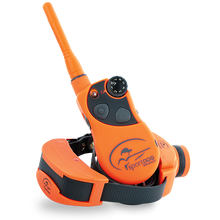
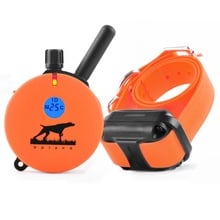
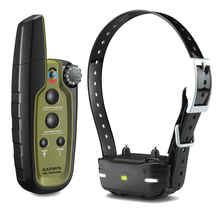
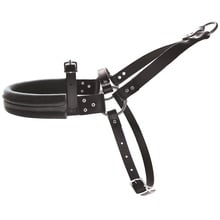
Upland work spans pointing breeds, flushing breeds, and retrievers running double duty between the duck blind and the pheasant field. The products below cover what every serious upland dog needs: e-collars and GPS systems for range and communication, beeper collars for locating a dog on point, protective vests for dogs working heavy cover, boots for rough and frozen ground, and the training gear that builds a finished bird dog from the ground up.
Questions about what's right for your dog and your hunting situation — call us at 800-338-3647. We've been doing this since 1971.
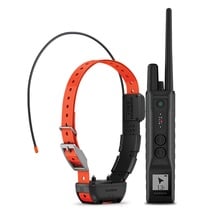
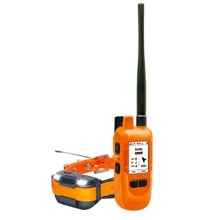
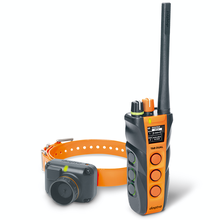
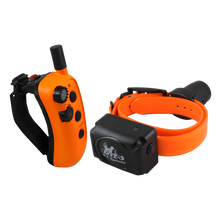
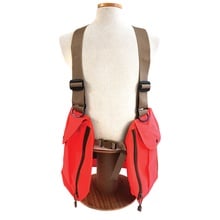
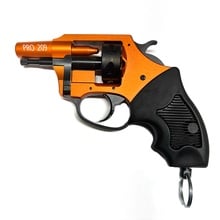
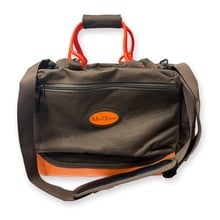
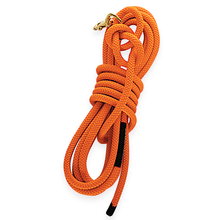
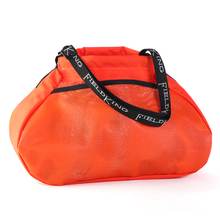
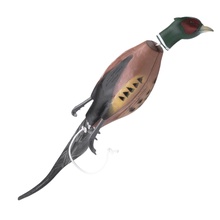
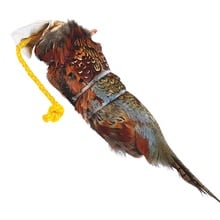
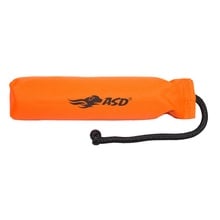
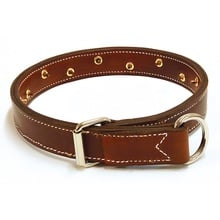



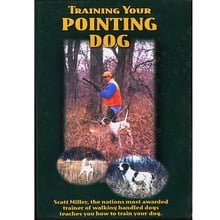
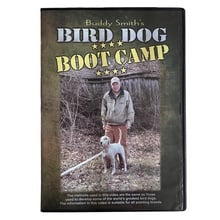
Upland Hunting Dogs: Pointing Breeds, Flushing Breeds, and Retrievers
Upland hunting dogs fall into three broad categories, and the training approach, the commands, and much of the gear differ meaningfully between them. Understanding which category your dog belongs to is the starting point for everything else.
Pointing breeds — English Pointers, German Shorthaired Pointers, Brittanys, English Setters, Vizslas, Weimaraners, German Wirehaired Pointers, and versatile breeds — are trained to locate birds by scent, lock up on point, and hold that point until the hunter arrives to flush and shoot. The defining command for a pointing breed is whoa — a complete, immediate stop that becomes the foundation of the staunch point. Range management — keeping the dog hunting within shooting distance without killing its drive — is the ongoing challenge of running pointing breeds in the field. Beeper collars that change tone when a dog goes on point are the standard tool for locating a pointing dog in heavy cover.
Flushing breeds — English Springer Spaniels, Cocker Spaniels, Boykin Spaniels, and similar dogs — are trained to quarter in front of the hunter within gun range, locate birds, and push them into the air. The flushing dog's defining discipline is the quarter: the systematic, windward sweep through cover that keeps the dog hunting effectively and the hunter in position to shoot. Steadiness to wing and shot — sitting immediately when a bird flushes and holding until sent — is the mark of a finished flushing dog.
Retrievers used for upland work — primarily Labrador Retrievers and Golden Retrievers — bring waterfowl-trained marking and retrieve skills into the pheasant field. A retriever hunting upland game won't quarter as tightly as a spaniel or range as wide as a pointer, but a well-trained retriever will find and recover downed birds that hunters would otherwise lose. For hunters running one dog for both waterfowl and upland, a versatile retriever handles both disciplines well when trained deliberately for each.
The Commands Every Upland Dog Must Have
Three commands build a functional upland dog regardless of breed: whoa (or sit — an immediate, complete stop), come (reliable recall at distance and under distraction), and hunt dead (focused search for a downed bird). A dog that doesn't stop reliably will bump birds. A dog that doesn't come reliably will chase running birds out of the country. A dog that won't hunt dead will cost you birds on every outing.
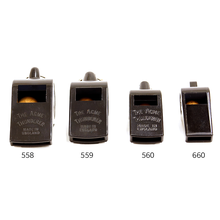
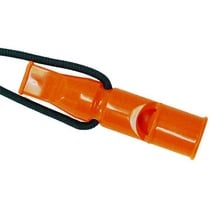
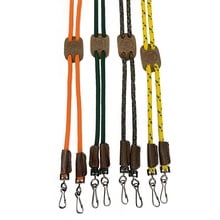
Whistle commands carry farther than voice in wind and don't carry the inconsistency that voice commands sometimes do. Most experienced upland hunters run their dogs primarily off the whistle in the field — one blast for sit or whoa, multiple short blasts for come. A quality whistle and lanyard are among the first pieces of equipment a serious upland hunter should own. Build every command in the yard before expecting it in the field — the field reveals obedience, it doesn't create it.
Protecting Your Dog in the Upland Field
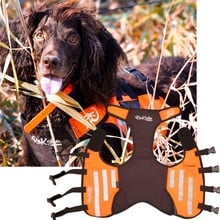
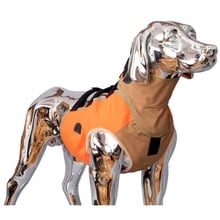
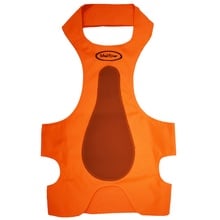
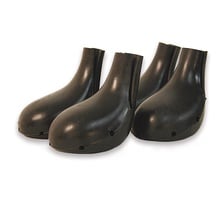
Upland dogs work in cover that works back. Briars, barbed wire, sharp stubble, frozen ground, and cactus all present real injury risk to a dog working hard and fast. A protective vest shields the chest and belly from cuts and punctures that thick cover inflicts on a hard-working dog. High-visibility orange makes your dog visible to other hunters — it matters on public land and in mixed-company hunts. Dog boots protect pads from frozen ground, sharp stubble, and rocky terrain. Fit your dog in boots before the season and run training sessions in them — a dog conditioned to wearing boots won't resist them when it counts.
Frequently Asked Questions: Upland Hunting Dog Training and Gear
What is the most important command for an upland hunting dog?
For pointing breeds, whoa — a complete, immediate stop — is the foundation of everything. Without a reliable whoa, a pointing dog cannot hold its birds long enough for the hunter to get into position. For flushing breeds, the controlled quarter and steadiness to wing and shot are equally fundamental. For all upland dogs, a reliable recall is the baseline that makes every other command possible and every hunt safe.
What's the difference between a beeper collar and a GPS collar for upland dogs?
A point-locating beeper system emits an audible tone that changes when your dog goes on point — it tells you where the dog is and what it's doing by sound alone, without requiring you to look at a screen. A GPS collar shows your dog's precise location on a handheld device and tracks movement over time. Many serious upland hunters run both: a beeper for real-time point notification in heavy cover, and GPS for locating a dog that has ranged out of earshot. Our e-collar and GPS section covers systems from Garmin, SportDog, Dogtra, and DT Systems for every type of upland work.
Does my upland dog need a vest?
If you're hunting any cover with briars, brush, barbed wire, or cactus — yes. A protective upland vest shields your dog's chest and belly from cuts and punctures that thick cover inflicts on a hard-working dog. High-visibility orange also makes your dog visible to other hunters in the field. A dog that finishes the season healthy and intact is a dog that hunts next season too. See the full vest selection linked above.
How do I keep my pointing dog hunting at the right range?
Range is built through consistent handling, not just corrected when the dog goes too wide. Establish the habit of checking back — hunting toward the handler periodically — from the beginning of field work. Reinforce it with a whistle recall. Use your e-collar to enforce range limits once the dog understands what's being asked — not to punish ranging, but to communicate a boundary clearly and consistently.
Can a retriever be used for upland hunting?
Yes, and many hunters do it very effectively. A well-trained retriever won't quarter as methodically as a spaniel or range as wide as a pointer, but it will find and recover downed birds that hunters would otherwise lose. Hunters who run one dog for both waterfowl and upland find that a versatile retriever handles both disciplines well when trained deliberately for each.
When should I introduce my upland dog to birds?
After the obedience foundation is solid — reliable sit or whoa, recall, and basic leash manners. The excitement of birds will overwhelm any obedience that isn't already deeply conditioned. Start with bird scent on a dummy, then wing-clipped birds, then planted birds in a training field. A dog properly introduced to birds will hunt them correctly for life.
Related Resources
- Dog Vests — protective and high-visibility gear for the upland field
- Dog Boots — paw protection for rough terrain and frozen ground
- Health & Wellness — field first aid and keeping your dog sound through the season
- Books & DVDs — breed-specific and discipline-specific training programs
- All Activities — training and season guides for every discipline
Since 1971, Dogs Unlimited has been the source serious upland hunters trust for bird dog training gear, e-collars and GPS systems, and protective field gear for dogs of every breed and every upland discipline. Questions about gear for your dog or your hunting situation? Call us at 800-338-3647 — we're hunters too.