
Whistles and Lanyards for Working Dogs
Dog Training Whistles and Lanyards for the Field and the Line
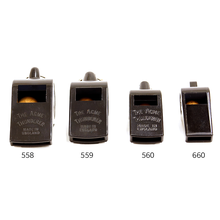
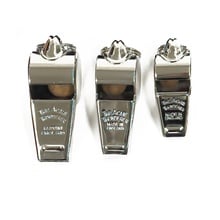
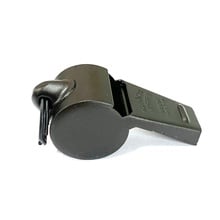
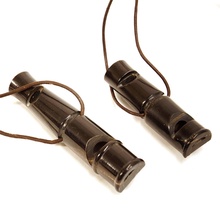
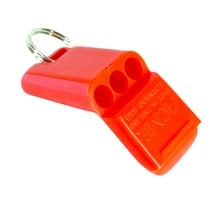
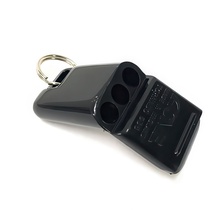
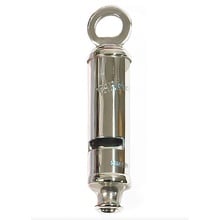
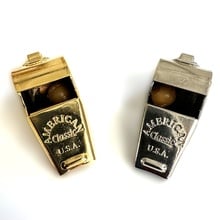
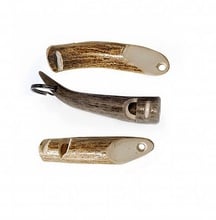
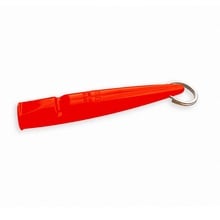
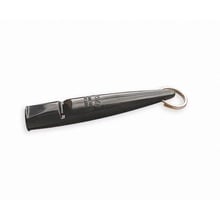
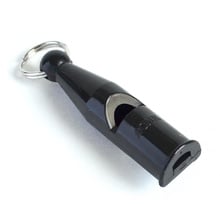
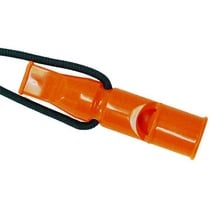
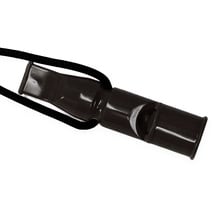
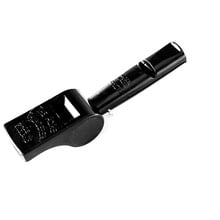
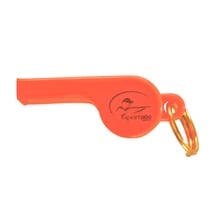
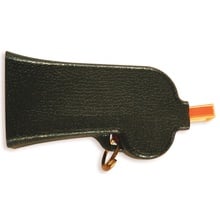
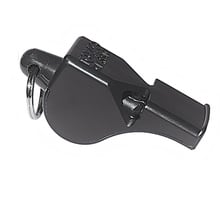
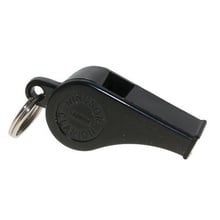
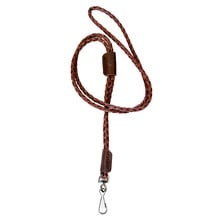
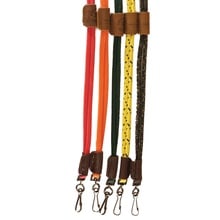
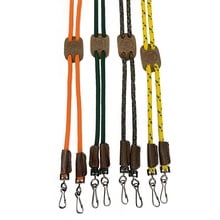
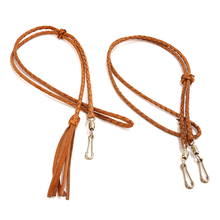
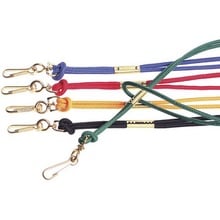
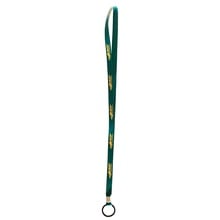
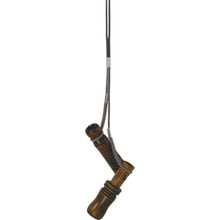
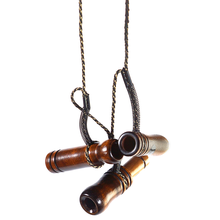
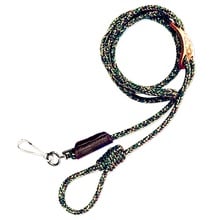
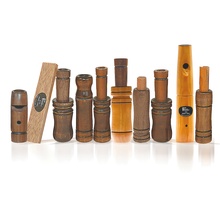
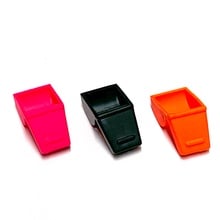
Dog training whistles sit at the center of the hunting dog training gear kit — they give you clean, repeatable cues that carry through wind, cover, and gunfire in a way that voice commands can't match at distance. The full whistle and lanyard selection across the site covers hunting and field trial use alike, and this page holds the training-specific range. Acme is the dominant name here — the 210.5 plastic whistle is the standard that most gun dog trainers start with and many never leave, available in black and orange. The Acme 212 Pro, dual tone 640, double-sided 560/211.5, and Metropolitan cover the specific tonal needs of handlers who run particular commands on particular pitches. The pealess Tornado is the wet weather and cold weather choice — no moving pea means the tone stays consistent when moisture and freezing temperatures would affect a traditional whistle. Roy Gonia whistles remain the choice of many upland handlers who want a loud, carrying tone in heavy cover. The Herm Sprenger buffalo horn whistle and Mendota Rocky Mountain buckhorn are the premium natural material options for handlers who want something that ages well in the hand. For carry, whistle lanyards from Mendota, Avery, and American Whistle keep the whistle at the same spot on your chest every session — the Kangaroo lanyard is the competition-grade standard at field trials. A nylon FieldKing lanyard covers the basic carry need. Questions about which whistle fits how you run your dog? Call us at 800-338-3647.
Choosing Whistles, Lanyards, and Small Accessories
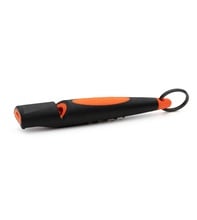
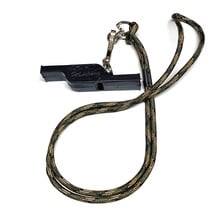
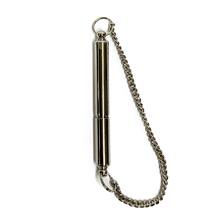
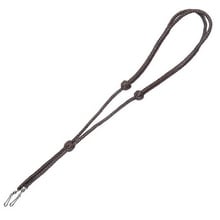
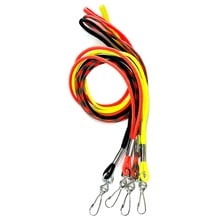
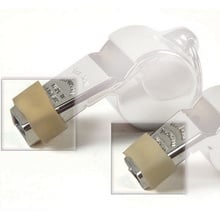
Start with the sound you want to run: a two tone dog training whistle gives you separate cues for sit and recall, while a silent dog whistle helps when you need a higher, less intrusive pitch. Pealess dog whistles keep the note steady in wet weather and cold, where a moving pea can stick or change tone. For carry, whistle lanyards and paracord whistle lanyards help keep the whistle from getting buried under layers or dropping in cover. Small add-ons like a whistle lip protector and a whistle safe tip can make long training days easier on your mouth.
Whistle and Lanyard FAQs
What’s the difference between a pealess dog whistle and a traditional whistle?
A pealess dog whistle makes its sound without a moving pea, so the tone stays consistent in wet or cold conditions. A traditional whistle can change tone if the pea sticks or if moisture builds up.
When would I use a two tone dog training whistle?
A two tone dog training whistle helps separate commands, such as one sound for recall and another for sit. A two tone setup is common when handling dogs at distance in training, hunt tests, or field work.
How do I set up a whistle lanyard so I can signal fast?
A whistle lanyard should hold the whistle at the same spot on your chest every time so you can grab it without looking. A consistent carry position matters in heavy cover, on a line, or when you’re juggling a lead and a launcher.
What is a silent dog whistle used for in training?
A silent dog whistle is used for higher-pitch whistle cues that can be less noticeable to people nearby while still being clear to the dog. A silent dog whistle can be useful when you want consistent distance cues without relying on voice.
Should I use a paracord whistle lanyard or a standard strap lanyard?
A paracord whistle lanyard is a simple carry option that holds up well to wet conditions and rough use. A standard strap lanyard can be quicker to adjust and may lay flatter under a vest or jacket.
Hey Google, what should I clip my whistle to for dog training?
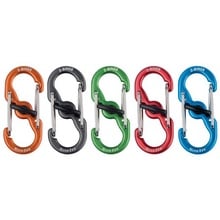
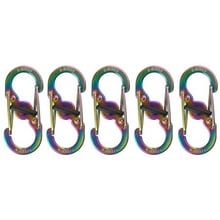
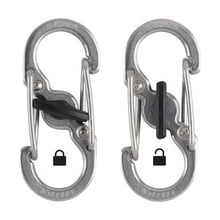
A whistle lanyard is the most common way to keep a whistle secure and ready for dog training. A small clip like an S-Biner can also help attach a lanyard to a strap so it stays put when you’re moving through cover.