
Hunting Dog Kennel Housing & Dog Boxes
Hunting Dog Kennel Housing & Dog Boxes Built for Working Dogs
A hunting dog needs the right kennel setup for when it's not in the field — and depending on your household, that might mean more than one type. Some hunting dogs live in a crate, kennel, or dog box kept in an existing outdoor run; others come inside overnight in a portable indoor dog box; plenty of working dogs need both. Whichever routine fits your household, building the right hunting dog kennel comes down to size, material, and the shelter and weather gear that supports it.
Dogs Unlimited carries crates, kennels, and truck dog boxes built for working dogs, along with dog houses and kennel equipment for dogs kept in an outdoor run. Not sure what setup fits your yard, your house, or your number of dogs? Call us at 800-338-3647 — we're hunters too, and we've built our share of kennels.
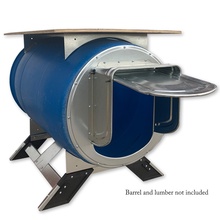
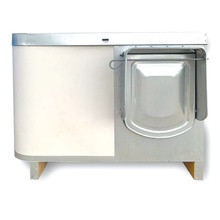
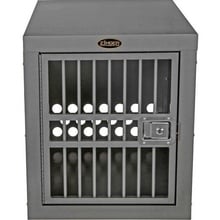
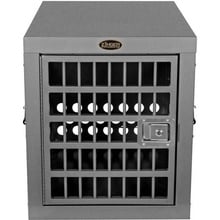
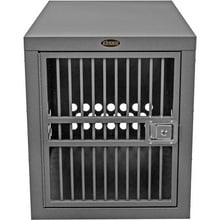
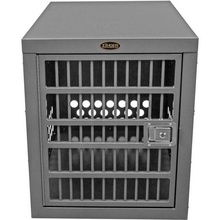
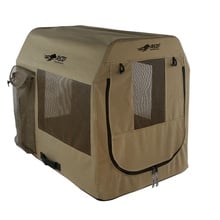
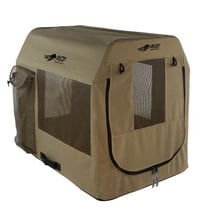
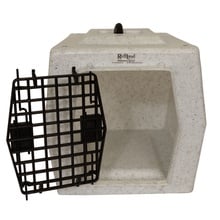
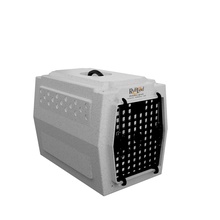
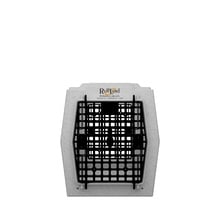
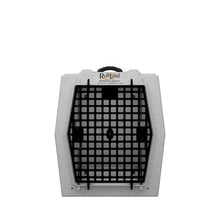
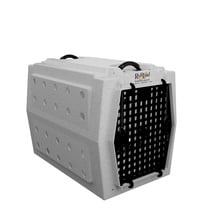
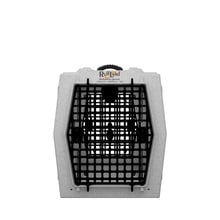
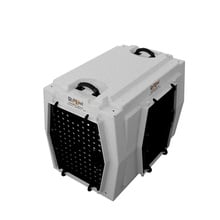
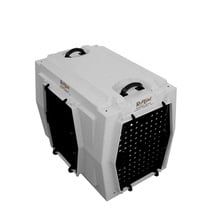
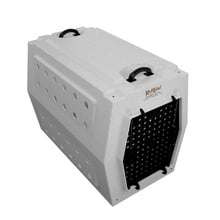
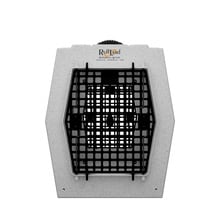
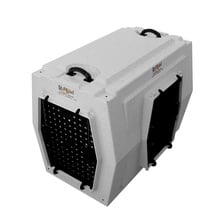
Choosing the Right Crate or Kennel Size for a Hunting Dog
Undersize a crate or kennel and you get a dog that's cramped, frustrated, and hard on the structure itself. Oversize it and you're paying for square footage that does nothing for the dog's comfort. Measure the dog, not the breed: stand at the shoulder, add a few inches of clearance, and confirm the dog can turn a full circle and lie flat with legs extended without touching a wall. A lean pointing breed and a heavier-boned retriever of the same shoulder height often need different footprints once you account for how they actually lie down. If you're housing more than one dog, size to the largest dog in the group, and separate feeding stations if the dogs compete over food — that causes more real problems than tight space ever does.
Rotationally Molded vs. Aluminum: Comparing Kennel Materials
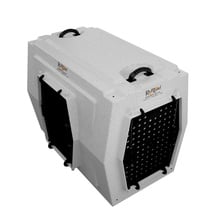
Rotationally molded plastic kennels are impact-resistant and lightweight, easy to move, clean, and reconfigure as your setup changes — and because plastic doesn't conduct heat or cold the way metal does, the interior surface stays closer to ambient air temperature rather than radiating cold on a hard freeze or heat on a sun-baked afternoon. That said, these kennels are not insulated; the material resists impact, it doesn't hold warmth. Aluminum dog boxes trade some of that thermal neutrality for rigidity and long-term durability against dogs that dig, chew, or lean hard on their housing, but bare aluminum will run colder to the touch in winter and hotter in direct summer sun, so placement matters more with a metal box than a plastic one.
Indoor Dog Boxes for Overnight Housing
Plenty of hunting dog owners run a two-part system: a dog housed outdoors during the day, then brought inside overnight in a portable dog box. A rotationally molded box works well for this — light enough to move between a garage, mudroom, or bedroom without a permanent installation — but remember it's still not insulated, so a box parked on a cold garage floor doesn't automatically warm up just because it's indoors. For multi-dog households, indoor boxes also solve the practical problem of keeping dogs separated overnight without dedicating a full room to each one.
Outdoor Dog Kennel Shelter and Setup
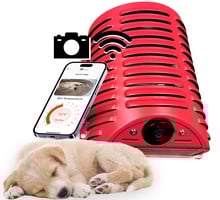
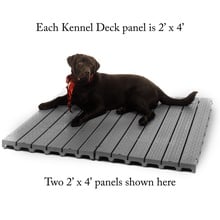
If your dog spends the day in an existing outdoor run, the housing itself needs support from the right shelter and setup. Orient shelter for morning sun and afternoon shade where possible, and keep it off low ground that collects water after rain — a dog that stays dry and can see household activity settles into the space faster and barks less out of anxiety. A raised deck under the housing keeps a dog off saturated soil and mud, and door covers or liners cut down on wind and driving rain at the opening during the worst weather. None of this replaces checking on the dog directly — a shaded, elevated, well-drained setup still needs eyes on it during a real cold snap or heat wave.
Cold-Weather Kennel Setup for Hunting Dogs
Coat type and conditioning matter more than a single temperature number. A heavy-coated retriever that's been outside year-round tolerates real cold — often well into the teens and below — with nothing more than a dry, wind-blocked interior and enough calories to fuel it. A short-haired pointer, or any dog that's spent the summer in an air-conditioned house, has far less margin at the same temperature. Wet fur and wind chill do more damage than still, dry cold ever will, so a dog that comes in from a wet retrieve needs to be dry before it goes back into an unheated kennel for the night. Watch for the early tells rather than a thermometer: shivering, hunching with the tail tucked, reluctance to lie down, or a dog that's unusually slow to get moving in the morning. Any of those means the current setup isn't keeping pace, whether that's more bedding-free draft control, a warmer spot, or supplemental heat.
Supplemental Heat for Dog Kennels: Safety Guidelines
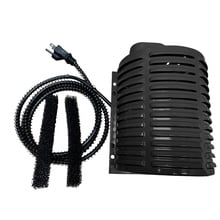
A thermostat-controlled heat source built specifically for dog houses and kennels is the right way to add warmth — not a space heater or a heat lamp, both of which pose a real fire risk in an enclosure a dog can't get away from if something fails. Match the unit's output to the size of the housing; an undersized heater just runs constantly without keeping up, and an oversized one in a small enclosure can push the space warmer than the dog needs. Route and secure the cord along an exterior wall or mounting point so the dog can't reach or chew it, and position the unit so the dog can move away from it rather than being confined right against it. A kennel heater is only doing its job alongside draft control at the door — heat escapes fast through a gap the wind can find, no matter how good the heater is.
Hot-Weather Kennel Setup and Heat Stress in Hunting Dogs
Shade and airflow do more for a kenneled dog in summer than any single product. A dog panting hard, drooling excessively, moving slowly, or showing bright red or pale gums is already past comfortable — get it to shade, offer water, and cool it gradually rather than waiting to see if it improves on its own. Flat-faced and heavy-coated breeds run hotter faster than lean, short-coated ones, and a dog that's just come off a hard retrieve or a training session carries residual heat even after it looks like it's cooled down. Keep water checked and topped off through the hottest part of the day — a bowl that looks full in the morning isn't the same as a bowl that's still full at 3pm.
Dog Kennel Security and Escape Prevention
Housing only does its job if the dog stays in it. Check door latches and hardware regularly for wear, since a hunting dog with drive will test a weak point harder than a house pet ever will. Keep current, visible identification on your dog at all times even inside secure housing; a collar with a nameplate is the fastest way for a neighbor or animal control to get a loose dog back to you if a door is ever left open.
Feeding a Kenneled Hunting Dog
A dog living primarily in a kennel burns calories differently than one that spends its day indoors — more in cold months to maintain body heat, less if activity drops during an off-season stretch. Watch body condition by feel, not by the bag's feeding chart, and talk to your vet about whether a working dog on a kennel routine needs additional vitamins or joint support to stay in top shape between hunts.
Frequently Asked Questions
How big should a dog crate or kennel be for a hunting dog?
Measure at the shoulder and add a few inches of clearance so the dog can stand fully upright, turn a full circle, and lie flat with legs extended. Body build matters as much as height — a heavier-boned dog often needs more floor space than a lean dog of the same shoulder height. Multi-dog setups should be sized to the largest dog housed inside.
Are rotationally molded dog kennels insulated?
No. They're impact-resistant and lightweight because of the molded plastic construction, but that material doesn't hold heat the way insulation does. It does, however, avoid conducting cold or heat the way bare aluminum does — so it stays closer to ambient temperature rather than radiating extremes.
Does Dogs Unlimited sell outdoor kennel runs or fencing?
No. Dogs Unlimited carries the crates, kennels, and dog boxes that go inside an existing outdoor run, along with dog houses, kennel decks, and door covers to outfit one. Run panels and perimeter fencing are not something we carry.
What temperature is too cold for a kenneled hunting dog?
There's no single number — coat type and conditioning matter more than the thermometer. A heavy-coated dog that's been outside all season handles real cold with a dry, draft-free setup; a short-haired dog or one that's spent the summer indoors has far less tolerance at the same temperature. Watch the dog, not the forecast: shivering, hunching, or reluctance to move are the signs that the current setup isn't enough.
Is it safe to leave a dog house heater running unattended?
A thermostat-controlled unit built specifically for dog houses and kennels, with a chew-proof cord routed away from the dog, is designed for unattended use. A space heater or heat lamp is not — both carry real fire risk in an enclosure the dog can't leave if something malfunctions.
What are the signs of heat stress in a kenneled dog?
Heavy panting, excessive drooling, sluggish movement, and bright red or unusually pale gums are all signs a dog is past comfortable. Move the dog to shade, offer water, and cool it gradually — don't wait to see if it improves on its own.
Can the same dog box be used both indoors and outdoors?
Yes — a rotationally molded box's light weight makes it practical to move between locations. It's still not insulated, so if it's used outdoors in real cold or heat, it needs the same shelter and weather precautions as any other outdoor housing, regardless of whether it spent the previous night indoors.
Related Resources
- Dog Crates, Kennels & Truck Dog Boxes
- Dog Houses & Related Equipment
- Hunting Dog Training Tools
- Hunting Dog Training Books & DVDs
Since 1971, Dogs Unlimited has helped hunters set up kennels that keep their dogs safe, comfortable, and ready for the next season. Questions? Call us at 800-338-3647 — we're hunters too.