
Dove Season
Dove Hunting with Your Dog: Training, Gear, and Heat Management
Dove season opens in September, which means it opens in the heat. For most of the country, opening day arrives with temperatures in the 80s and 90s, full sun, cut fields with no shade, and dogs that haven't worked hard since last spring. That combination has ended careers — and lives — of good hunting dogs. Getting your dog through a dove season safely and successfully starts weeks before the opener, not the morning of.
Dove hunting is also unlike any other season your dog will work. The volume of birds, the pace of shooting, the open-field environment, and the sheer number of retrieves in a single morning make dove season the most demanding early-season test a retriever or flushing dog will face — and one of the best training opportunities of the year, if you approach it right. Dogs Unlimited has been outfitting serious bird hunters since 1971. Everything on this page is chosen for the specific demands of dove season: the heat, the pace, and the dog work.
Why Dove Season Is Different
Most hunting seasons ask a dog to work in cool or cold conditions. Dove season does the opposite. Opening day in most states falls in early September — peak heat, minimal shade, and fields that radiate warmth from cut stubble and bare ground. A dog working a dove field on a 90-degree afternoon is fighting conditions that can produce heat stroke in under ten minutes, even in a fit, conditioned animal.
The retrieve volume compounds the problem. A busy dove field can produce dozens of retrieves in a morning. Each one raises your dog's core temperature. A dog that looks and acts fine after retrieve number eight may be in serious trouble by retrieve number fifteen. The drive that makes a great gun dog — the refusal to quit — is the same drive that gets dogs killed in the September heat. Your dog will not stop on its own. That responsibility belongs to you.
Dove season is also where many hunters bring a young dog to the field for the first time. The excitement of opening day is real — but a crowded dove field with heavy shooting, unfamiliar dogs, and the chaos of birds working in every direction is a lot to ask of a dog that hasn't earned its way there through solid preparation. The good news: a dog that's ready for dove season is ready for anything that comes after it.
Conditioning Your Dog Before the Opener
A dog that has been idle all summer is not ready for dove season on September 1st. Start conditioning six to eight weeks before the opener — not two weeks out, not the week before. Gradually increase exercise duration and intensity, working during the coolest hours of the day. Water retrieves are ideal: they build cardiovascular fitness and keep the dog cool simultaneously. By opening day, your dog should be running 20 to 30 minutes of meaningful exercise without distress in warm conditions.
Dogs with dark-colored coats, older dogs, and overweight dogs are at significantly higher risk for heat-related illness and need extra preparation time and more conservative management in the field. If your dog hasn't been worked in heat regularly, err toward shorter hunts and more frequent rest than you think you need.
Heat Management in the Dove Field
Heat management is not optional gear. It is the central planning question of every dove hunt. Here is what experienced dove hunters do:
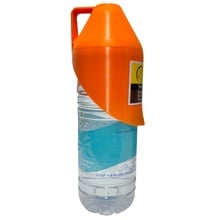
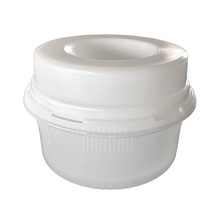
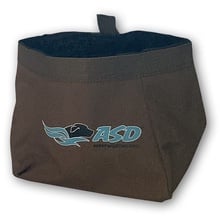
Bring more water than you think you need. A working dog in 90-degree heat needs water every 15 to 20 minutes — not a bowl at the truck, water in the field. Carry a collapsible bowl and a dedicated water supply for your dog. Ration it: multiple smaller drinks are better than allowing the dog to drink deeply after hard work.
Wet the dog down, not just inside. Pouring cool water over the dog's head, neck, and groin area lowers core temperature faster than drinking alone. Do it before the hunt starts, between retrieves during heavy shooting, and any time the dog shows signs of slowing down.
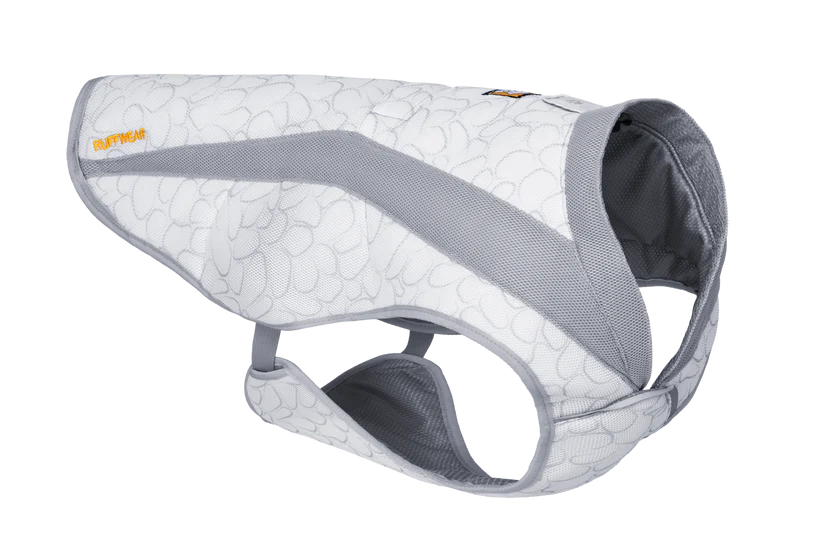
Hunt from shade whenever possible. Choose your spot based on where your dog can rest in shade between retrieves, not just where the birds are flying. A cooling vest like the RuffWear Swamp Cooler adds meaningful heat protection during rest periods in the field.
Don't send the dog after every bird. This is hard on opening day when you're shooting well. Do it anyway. Skipping retrieves in the heat is not weakness — it's the decision that keeps your dog in the field for the full season.
Know the signs of heat stroke. Excessive panting that doesn't slow with rest, bright red gums, disorientation, and staggering are emergencies. Get the dog into shade and cool water immediately and head to a veterinarian. Heat stroke that isn't treated within minutes causes permanent organ damage.
Training Your Dog for the Dove Field
A dog that isn't solid on basic obedience — reliable sit, stay, and here — is not ready for a dove field. The volume of birds and shooting will overwhelm any steadiness gaps that exist in a controlled training environment. If your dog breaks at the shot on the practice field when you fire once, it will definitely break when you're shooting at a fast-moving bird with six other hunters shooting around you. Finish your obedience and steadiness work before the season opens.
For dogs new to dove hunting, experienced trainers consistently recommend the same approach: bring the dog on a lead for the first one or two outings. A tie-out stake and a short lead keep a young or unsteady dog from practicing the one habit — breaking — that is hardest to undo once it becomes ingrained. The dove field offers more bird contact than almost any other hunting environment. That's an asset if your dog is ready for it, and a liability if it isn't.
Use dove season as a training tool, not just a hunting trip. The volume of retrieves, the variety of falls, and the live-bird experience do more for a retriever's development in a single morning than weeks of yard work. A dog that hunts dove well in September hunts waterfowl and upland better in October and November.



Frequently Asked Questions: Dove Hunting with Your Dog
Is my dog ready for dove season?
If your dog has reliable obedience — solid sit, stay, and recall under distraction — and is physically conditioned from regular summer work, it's ready to hunt doves. If obedience has gaps or your dog has been idle since spring, dove season will expose those problems in the worst possible environment. Take the time to tune up steadiness and fitness before opening day, not after.
How do I keep my dog cool during a dove hunt?
Water, shade, and restraint. Bring more water than you think you'll need — a working dog in September heat needs water in the field every 15 to 20 minutes. Pour cool water over the dog's head, neck, and groin area to lower core temperature quickly. Hunt from a shaded position whenever possible. Skip retrieves when the dog is panting heavily. A cooling vest worn during rest periods adds meaningful heat protection. And be willing to quit early — a short successful hunt is better than a long dangerous one.
What are the signs of heat stroke in a dog?
Excessive panting that doesn't slow with rest, bright red or purple gums, excessive drooling, disorientation, stumbling, and collapse. If you see these signs, move the dog to shade immediately, apply cool (not ice cold) water to the body, offer small amounts of water to drink, and get to a veterinarian as fast as possible. Heat stroke is a life-threatening emergency — minutes matter.
Should I bring my young dog to the dove field on opening day?
Opening day of dove season — crowded fields, heavy shooting, unfamiliar dogs, birds working in every direction — is a lot to ask of a young dog. If this is your dog's first season, consider hunting a quieter spot away from the main action, keeping the dog on a lead or tie-out for the first few outings, and treating the outing as a training session rather than a full hunt. Eight quality retrieves in a managed situation do more for a young dog's development than a chaotic opener where everything gets out of control.
Why does my dog have trouble finding doves in the field?
Two reasons are most common. First, heat reduces a dog's scenting ability — even mild dehydration noticeably impairs a dog's nose. Keep your dog hydrated and working in manageable intervals. Second, doves are small and light-colored against dry stubble, which makes them genuinely difficult to mark and find even for experienced dogs. A dog that runs right over a downed dove on a hot day isn't failing — it's working in difficult conditions. Handle the dog to the area of the fall and give it time to work the scent.
How is training for dove hunting different from waterfowl or upland training?
The obedience and retrieve foundation is identical across all bird hunting disciplines. What dove season adds is volume and heat. A dog that retrieves one or two birds at a time in training will face fifteen or twenty retrieves in a busy morning dove field. Building that physical capacity — and the steadiness to handle that pace without breaking down mentally — is the specific preparation dove season demands. The retrieve work you do all summer directly translates to dove field performance in September.
Can I use a pointing dog for dove hunting?
Yes, though most pointing breed hunters use their dogs primarily for retrieving rather than pointing in a dove field — doves move too much and the hunting style doesn't lend itself to traditional pointing work. A well-trained pointer or versatile breed with solid retrieve training is a capable dove dog, particularly for hunting field edges and finding downed birds in cover. Heat management applies equally regardless of breed.
After Dove Season: What Comes Next
Dove season is the beginning of the hunting calendar, not the end. A dog that comes through September in good condition — fit, steady, and with solid retrieve work behind it — is primed for everything that follows. Use the links below to find gear and training guidance for the seasons ahead.
- Training Your Dog for Upland Hunting — pheasant, grouse, quail, and more
- Training Your Dog for Waterfowl Hunting — duck and goose season preparation
- Health & Wellness — keeping your dog sound through a full season
- Training Collars & GPS Systems — for steadiness work and field control
- Hunting Dog Training Gear — the full training equipment catalog
- All Activities — season guides and training resources for every discipline
Since 1971, Dogs Unlimited has been the source serious hunters trust for hunting dog training gear, dog vests, and the equipment that works in the real field. Questions about dove season gear or getting your dog ready for the opener? Call us at 800-338-3647 — we're hunters too.
Waterfowl gear FAQs for working dogs
What does waterfowl season gear cover for a hunting dog team?
Waterfowl season gear covers the dog-and-handler equipment used in wet, cold hunting conditions. Waterfowl season gear includes items that protect the dog, organize essentials, and keep setups functional in marsh and field.
Dog vest vs dog parka: what’s the practical difference?
A dog vest focuses on physical protection for the dog in cover and rough retrieves. A dog parka focuses on added weather coverage when cold, wet conditions are the bigger problem.
When does a dog blind matter during waterfowl hunting?
A dog blind matters when the dog needs a defined place to stay steady beside the handler in wet vegetation or standing water. A dog blind also helps keep the dog out of mud and reduce movement that flares birds.
How do I choose a call lanyard for waterfowl season?
A call lanyard should hold calls where they won’t swing, tangle, or end up in the mud when you’re handling a dog and a gun. A call lanyard setup also depends on whether you run a duck call, a whistle, or multiple calls.
What’s the point of a decoy bag in a waterfowl setup?
A decoy bag keeps full-body decoys controlled during carry and pickup so you’re not fighting straps and loose decoys at the truck or the boat. A decoy bag also helps keep the rest of the gear pile from getting crushed or snagged.
What should I look for in a seat cover for hunting season?
A seat cover should protect the truck seat from wet dogs, mud, and wet clothing after a hunt. A seat cover fit should match how you transport gear and whether you need regular or XL coverage.