
Dog Bells & Beepers for Working Gun Dogs
Dog Bells and Beeper Collars for Keeping Track in Cover
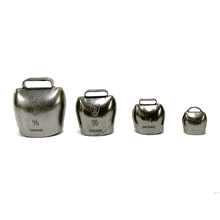
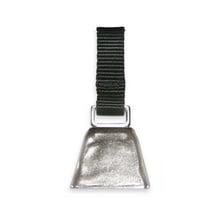
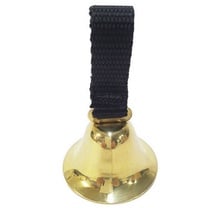
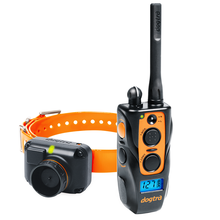
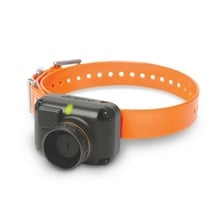
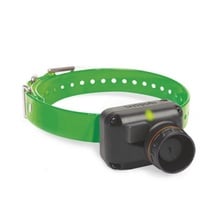
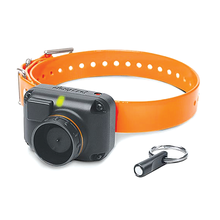
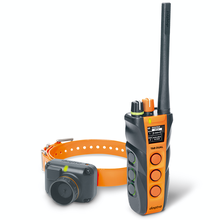
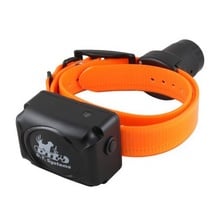
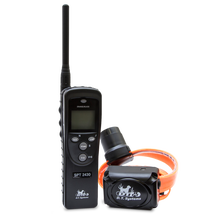
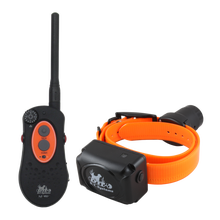
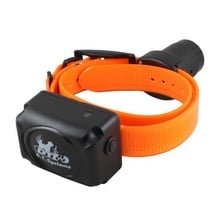
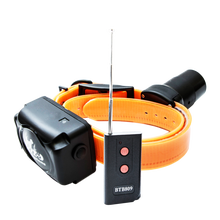
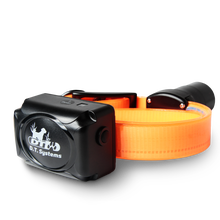
In CRP, cattails, and tight grouse timber where a hard-going dog can disappear in seconds, dog bells and beeper collars are the low-tech and high-tech answers to the same problem. Pair either with hunting dog visibility equipment — reflective collars, LED collars, and safety vests — when you need both audible and visual tracking working together. Bells are the right choice when cover is close and you want constant audio without batteries or setup — the Genuine SwissMade bell carries well in mixed cover, and the brass and nickel cow bell options cover longer-range situations. When a dog ranges wider, cover gets louder, or you want a distinct point signal separate from a running tone, beeper collars step in. Dogtra's 2700 T&B and the T&B Dual combo, SportDog's Upland Hunter 1875 beep-and-train, and DT Systems' R.A.P.T. 1450 and H2O 1850 Plus series are the main electronic options. Beep-and-train combos are the most practical for handlers who want locating tones and training control without running two separate systems. Add-on receivers from Dogtra and DT Systems expand any setup to a second dog without replacing the transmitter. Many upland hunters keep both a bell and a beeper in the vest and swap based on cover, wind, and how the dog is running. Questions about which system fits your setup? Call us at 800-338-3647.

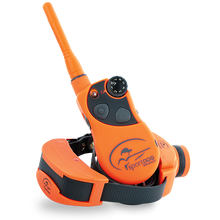
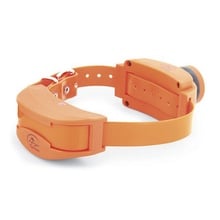
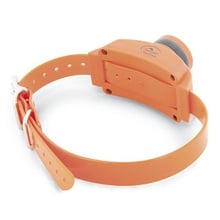
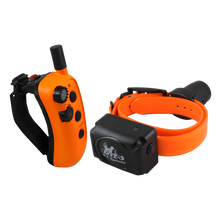
Choosing bells vs. beeper/locator collars
Choose a dog bell when you want constant audio with no setup and you hunt close in tight cover where a ring carries well. Choose a beeper/locator collar when you need louder, more distinct tones or want separate signals for running and point. Pay attention to how you’ll run the system in the field: a standalone beeper collar is different from a beeper/locator paired with a transmitter, and add-on/replacement receivers matter if you run more than one dog. For mixed conditions, many handlers keep both on hand and swap based on cover, wind, and group spacing.
Dog bell and beeper collar FAQs
What’s the difference between a dog bell and a beeper collar?
A dog bell gives continuous sound as the dog moves, while a beeper collar uses electronic tones that can signal running and point. A beeper collar is often easier to pick out at distance or in heavy wind.
When should I run a beeper/locator instead of a bell in upland hunting?
A beeper/locator is the better choice when cover is big, the dog ranges wide, or wind makes a bell hard to hear. A beeper/locator also helps when you want a distinct point signal without relying on constant ringing.
How do I choose between a beeper collar with transmitter and an accessory beeper?
A beeper collar with transmitter makes sense when you want remote control of tones and settings in the field. An accessory beeper fits handlers who want to add beeper function to an existing setup without changing how they handle the dog.
What does an add-on or replacement beeper collar receiver do?
An add-on/replacement beeper collar receiver is the collar-side unit used to add another dog or replace a worn receiver in a matching system. An add-on/replacement beeper collar receiver matters most for multi-dog handling and keeping controls consistent.
How do I keep track of my bird dog in thick brush?
Dog bells and beeper collars help keep track of a bird dog in thick brush by giving you sound you can follow when you can’t see the dog. Dog bells work well for close hunting, while beeper collars stand out when the dog is farther out or conditions are loud.
Can I use a beep & train combo for upland work?
A beep & train combo pairs beeper locating with training control in one setup. A beep & train combo is commonly used when you want locating tones and training capability without running separate systems.