
Road Trips & Hunting Camps with Dogs
Road Trips & Hunting Camps with Dogs: Multi-Day Travel and Camp Gear
A truck setup gets your hunting dog to camp. What happens after that — for three days, five days, or a week — is a different challenge entirely. The hunting dogs that work well on day four are the ones whose routines didn't fall apart on day one: consistent feeding, real recovery between hunts, and gear that travels as well as it works at home.
Dogs Unlimited has been outfitting hunters for the road and the camp since 1971. The categories below cover what keeps a dog comfortable, fed, and ready for the next morning:
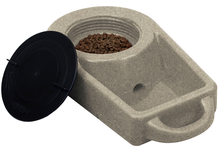
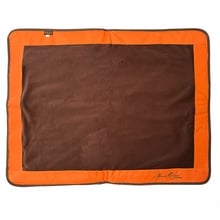
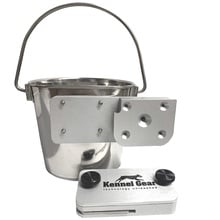
- Dog Traveling Gear — the Mud River Cache Cushion, food bowls, and water pails for the road and camp
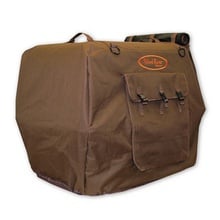
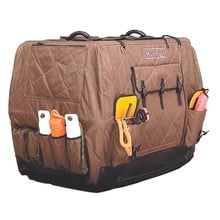
- Kennel Covers & Pads — wind and cold protection for overnight kenneling at camp
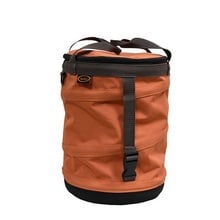
- Hunting Dog Travel Luggage — travel bags and duffels that keep dog gear organized between the truck and the lodge
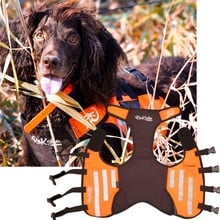
- Hunting Dog Vests — warmth and protection for cold mornings and wet camp conditions
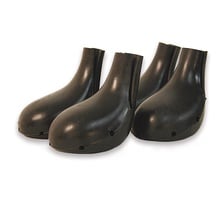
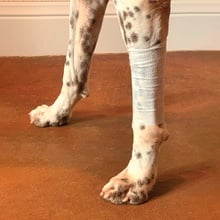
- Hunting Dog Boots — foot protection across the varied terrain of a multi-day trip
Planning a trip and not sure what to pack? Call us at 800-338-3647 — we're hunters too.
What Changes on a Multi-Day Hunting Trip
A one-day hunt is forgiving. A dog can work hard, ride home, and recover in its own bed by evening. A multi-day trip removes that recovery — the dog that worked hard on day one wakes up on day two still carrying it, and by day three small deficits compound into real fatigue. The hunters who get four or five good hunting days out of a week-long trip are the ones who treat recovery as part of the plan, not an afterthought. That means a consistent feeding schedule, a sleeping setup the dog recognizes, and enough rest built into the days that the dog isn't running on empty by Thursday.
Routine is the biggest lever. A dog that sleeps in its own kennel at home sleeps better in that same kennel at camp than a dog suddenly shifted to sleeping loose in an unfamiliar cabin or lodge room. Familiar gear — a Mud River Cache Cushion the dog already knows, the same bowl, the same kennel — reduces the stress of an unfamiliar environment more than almost anything else you can pack.
Matching Your Setup to the Trip
| Trip Type | What Changes | What to Prioritize |
|---|---|---|
| Day trip, drive home after | Minimal — same-day recovery at home | Truck setup covers most of it; pack water and a basic first aid kit |
| Weekend hunting camp (2-3 nights) | Recovery between days starts to matter; routine consistency becomes important | A Cache Cushion and familiar bowl, kennel cover for overnight temperature swings, enough food for the full trip |
| Week-long lodge stay | The lodge handles kenneling and feeding logistics, but fit and routine still matter | Travel bag to keep dog gear organized, vest and boots for varied terrain, confirm lodge policies before booking |
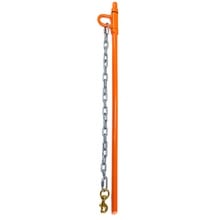
| DIY camp, multi-night, self-contained | Everything — water, shelter, and containment are entirely on you | Kennel cover and pad, tie-out or exercise pen, enough food and water storage for the full trip, full first aid kit |
Feeding, Water, and Recovery at Camp
Feeding routines that work at home often need adjustment on the road. Some dogs eat less when traveling — heat, excitement, and unfamiliar surroundings can suppress appetite, especially on the first day or two. Don't panic if a dog skips part of a meal early in a trip, but do keep water available constantly; appetite recovers faster than hydration does if both fall behind. Pack enough food for the entire trip plus a buffer — running out two days from home with no feed store nearby is a problem nobody wants to solve in the field.
Recovery between hunt days means more than just rest. A dog that hunted hard needs time off its feet, access to clean water, and ideally a chance to cool down before being kenneled for the night. A kennel cover and pad make a real difference here — they cut wind and cold on nights when the temperature drops well below what the dog experienced during the day's hunt, which is common in fall camps. A dog that sleeps cold recovers slower than one that sleeps comfortable, even if both get the same number of hours.
Finding and Evaluating Dog-Friendly Hunting Lodges
Most destination hunting lodges are built around dogs — kenneling, feeding, and field access are standard parts of the package, not an afterthought. The real planning question is fit, not availability. Lodge kennel capacity matters if you're running more than one or two dogs. Breed and size policies vary more than hunters expect, especially at lodges that also host non-hunting guests. And the habitat itself matters: a lodge built around close-cover upland work is a different experience for a wide-ranging pointing dog than one built around big-country pheasant fields. Ask specific questions before booking — what the kennels look like, how feeding is handled, and whether the terrain matches how your dog hunts.
Frequently Asked Questions: Road Trips & Hunting Camps with Dogs
How do I keep my dog's routine consistent on a multi-day hunting trip?
Bring a Cache Cushion or other familiar bed the dog uses at home, the same bowl, and the same kennel. Feed at the same times each day even if the hunting schedule shifts around it. A dog that recognizes its sleeping setup settles faster at an unfamiliar camp or lodge than one sleeping loose in a new environment every night. Small consistencies add up over a multi-day trip.
What should I pack for my dog on a hunting camp trip?
Beyond the truck setup, pack a Cache Cushion or other familiar bedding, enough food for the full trip plus a buffer, a kennel cover for overnight temperature swings, a first aid kit, and a vest or boots if the terrain or weather calls for them. A travel bag or duffel dedicated to dog gear keeps everything together and easy to find at the end of a long day.
How do I find a dog-friendly hunting lodge?
Most destination hunting lodges accommodate dogs as a standard part of the experience. The questions worth asking before booking are about fit: kennel capacity for the number of dogs you're bringing, any breed or size restrictions, how feeding is handled, and whether the terrain and hunting style match how your dog works. A lodge that's a great fit for a close-working flushing dog may not be the right fit for a wide-ranging pointer, and vice versa.
How much should I feed my hunting dog during a multi-day hunt?
Many dogs eat less during the first day or two of travel due to excitement and unfamiliar surroundings — that's normal and usually self-corrects. Keep water available constantly regardless of appetite, since dehydration affects performance faster than a missed meal does. Pack enough food for the entire trip with a buffer in case the trip runs long or a meal gets skipped.
How do I keep my dog warm at camp in cold weather?
A kennel cover and pad cut wind and retain heat better than an open crate, which matters most overnight when temperatures drop well below daytime hunting conditions. A dog vest adds warmth during early mornings and breaks between drives. Dry the dog off before kenneling for the night — a wet dog loses heat much faster than a dry one, even inside a covered kennel.
What's different about packing for a weekend trip versus a week at a lodge?
A weekend trip is mostly an extension of the truck setup — a Cache Cushion, enough food, and a kennel cover handle most of it. A week at a lodge shifts some of the logistics to the lodge itself, but adds new variables: confirming kennel policies, packing for terrain you haven't hunted before, and keeping gear organized across more days and more locations. The longer the trip, the more routine and organization matter relative to raw gear.
Related Resources
- Dog Crates, Kennels & Boxes — RuffLand and Zinger kennels for camp and travel
- Truck & Vehicle Setup for Hunting Dogs — getting your dog to camp safely
- Flying with Your Hunting Dog — for lodge trips that require flying
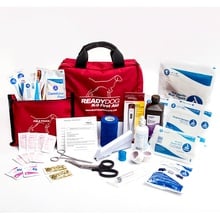
- Dog First Aid — field medical supplies for camp and the road
- All Activities — season guides and training resources for every discipline
Since 1971, Dogs Unlimited has helped hunters keep their dogs comfortable, fed, and ready for the next morning — whether that's a weekend at a local WMA or a week at a destination lodge. Questions about what to pack for your trip? Call us at 800-338-3647 — we're hunters too.