
Bird Launchers for Pointing Dogs
Thursday, September 10th 2026
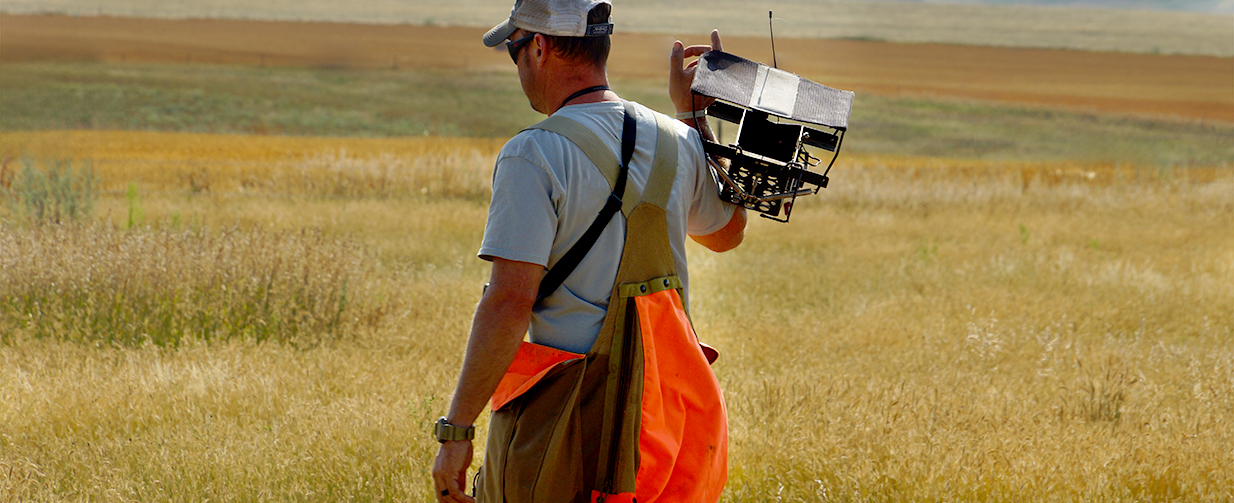
A covey doesn't always flush all at once. One bird gets up, then a beat later another, then another still holding tight in the grass. A dog that's only ever practiced on a single, predictable flush has no idea what to do with that. Building steadiness that holds up against real bird behavior takes more than one kind of releaser, and it takes a handler who knows how to combine them into scenarios that actually look like hunting.
- Silent, handler-triggered control for check cord work and layered scenarios: Original Tip-Up Bird Releaser
- Multi-bird covey simulation with quiet, natural release: Cody Hunt Gear Upland Bird Releaser
- Remote release at real distance, expandable across a training field: Dogtra Remote Release Deluxe with PL or QL launchers
- Quiet-release springs and large scent holes for scent dispersion: DT Systems Natural Flush Launcher
Releaser or Launcher: What's the Difference
A releaser holds a bird in a fixed spot and lets it go on command, an immediate, realistic flush with no mechanical throw involved. A launcher presents the bird from a holding position and flushes it, typically by remote, for a controlled, timed release you can trigger from a distance. Neither one is better across the board. Which you reach for depends on the scenario you're building and whether you have a second person on hand to help.
Comparing the Options
| System | Trigger | Birds | Best For |
|---|---|---|---|
| Original Tip-Up | Manual, foot-operated | Quail, chukar, pigeon | Silent control, check cord work, layered scenarios |
| Cody Hunt Gear Upland Releaser | Manual or remote via compatible receiver | Quail (multi-bird covey), chukar, pheasant | Natural bottom-door release, simulating a covey rise |
| Dogtra RR Deluxe | Remote, 1-mile range | Pheasant (PL basket) or quail/pigeon (QL basket) | Solo training, expandable up to 16 launchers |
| DT Systems Natural Flush | Remote, up to 700 yards | Quail/pigeon or pheasant/duck configurations | Quiet-release springs, large scent holes, 16 independently channeled launchers |
Original Tip-Up Bird Releaser
The Tip-Up isn't a basic tool to outgrow. It's a specific-purpose one. With no springs or moving parts, it's completely silent, and it keeps a quail, chukar, or pigeon confined and hidden in exactly the spot you chose without the bird wandering off or flushing on its own before you're ready. A young or green dog benefits from a helper: the dog can be held on a check cord at a distance while someone else triggers the release with a foot, so nothing mechanical alerts the dog before the bird itself does. A fully broke dog doesn't need that second person at all. The handler can walk in ahead of the dog and flush the planted bird themselves, the same way they'd flush one in the field.
Cody Hunt Gear Upland Bird Releaser
Cody Hunt Gear's 3D Upland Bird Releaser is the current version of this releaser, built from heavy-duty 3D-printed plastic and weighing about 4 pounds. It holds a single pheasant without damaging its tail feathers, up to 3 chukars, or 4 quail for a genuine covey rise. The bottom-door release lets birds drop and scatter naturally into cover rather than launching upward mechanically, which keeps a dog's focus on scent and movement the way it would work a real covey. An attached servo makes it compatible with Dogtra, SportDog, and Garmin electronic releasers directly, with a wire included for DT Systems compatibility as well, so it can run manually or remotely depending on your setup. It replaces Cody Hunt Gear's earlier aluminum-built version, which is being phased out.
Dogtra Remote Release Deluxe
The RR Deluxe operates Dogtra's own PL Launcher for pheasant-sized birds and QL2 Launcher for quail and pigeon, plus most aftermarket launcher systems, from a full mile away. Both baskets are vented for scent dispersion and use adjustable spring tension for a quiet, controllable throw. Note that the RR Deluxe electronics are sold separately from either basket. A realistic duck call or a plain beeper tone identifies the unit's location in the field, and the system supports up to 8 receivers, each running one launcher fully independently, no pairing required, which covers how most pointing dog handlers actually spread launchers out across a training field. Push past 8 launchers and each additional one has to share a receiver with an existing launcher through a jumper cable, up to a maximum of 16. It's still the system built for training entirely solo, with no helper needed anywhere in the field.
DT Systems Natural Flush
Built in quail/pigeon and pheasant/duck sizes, the Natural Flush launcher uses a Quiet Release system, so there's no mechanical noise competing with the flush itself, plus large scent holes for scent dispersion during a hold. Two ranges matter here and they measure different things: the remote release itself reaches up to 700 yards, while the separate beeper/locator that helps you find the unit in heavy cover carries up to 400 yards. Like the Dogtra system, it's expandable to run up to 16 launchers from one transmitter, but each launcher here is self-programmed with its own individual channel rather than sharing a receiver in pairs, so every one of the 16 can be triggered fully independently of the others.
Building Realistic Scenarios
The Delayed Double Flush
Set two Tip-Ups close together so the dog winds a strong, doubled-up dose of scent right from the start. Let the first bird go while the dog holds, then wait a few beats before releasing the second instead of turning both loose at once. The dog stays steady through that first flush because it can still smell that something else is out there, and that's exactly the kind of anticipation a dog needs for the real thing, when a covey never quite gets up all together.
Combining a Tip-Up with a Remote Launcher
Set a Tip-Up beside a remote releaser like the Dogtra RR Deluxe or a DT Systems launcher, far enough out that the dog can't scent it while working in. With no warning smell to give it away, trigger the remote unit for a genuine stop-to-flush, the kind that happens when a dog never winds the bird at all. Once the dog holds through that, walk in and let the Tip-Up bird go too, so a second bird gets up right behind the first. Combinations like this one recreate exactly what a dog runs into once real hunting starts, which is the whole reason to build them into training first.
Frequently Asked Questions
What's the difference between a bird releaser and a bird launcher?
A releaser holds a bird in place and lets it go, giving an immediate, realistic flush. A launcher presents the bird from a holding position and throws or flushes it on command, often by remote, for a controlled, timed flush. Both have a place in pointing dog training, depending on the scenario you're building.
Is the Original Tip-Up Bird Releaser only for beginners?
No. It's a specific-purpose tool, not a basic one. It's silent and excels at keeping a bird confined and hidden in a chosen spot until the moment you want it released. A young or green dog benefits from a second person triggering it while the handler manages the dog, but a fully broke dog doesn't need that: the handler can walk in and flush the planted bird themselves, the way they would in the field.
How do I simulate a delayed flush in training?
Set two tip-up releasers close together so the dog gets a strong double dose of scent. Release one bird while the dog holds steady, then release the second a few moments later. The dog learns to stay steady through the first flush because it can still smell that another bird may be there, which builds the same anticipation a dog feels in the field when a covey doesn't flush all at once.
Can a tip-up releaser and a remote launcher be used together?
Yes. Place a tip-up near a remote releaser, out of the dog's scent range. When the dog approaches without smelling anything, trigger the remote launcher to force a true stop-to-flush with no scent warning. Once the dog is steady, walk in and release the tip-up bird as well, simulating a second bird flushing after the first, a scenario dogs regularly encounter hunting real coveys.
Which launcher works best for training alone, without a helper?
A remote system like the Dogtra Remote Release Deluxe or a DT Systems Natural Flush launcher, since both trigger from a handheld transmitter at real distance. The Cody Hunt Gear releaser can also run remotely once paired with a compatible electronic receiver. The Original Tip-Up can be run solo too, as long as the dog is fully broke and the handler can walk in and flush the bird themselves; it's only with a young or green dog that a second person to trigger it becomes useful.
What birds work with these systems?
Quail and pigeon work with the Tip-Up, and quail, chukar, and pheasant work with the Cody Hunt Gear releaser. The quail/pigeon configuration of the DT Systems and Dogtra launchers covers those same smaller birds. Pheasant and duck need the larger launcher configurations built for bigger birds, since a standard quail-sized unit isn't built to hold or launch them properly.
Do the Dogtra and DT Systems 16-launcher setups work the same way?
Not quite. DT Systems' 16 launchers are each self-programmed with their own individual channel, so every one can be triggered fully independently regardless of how many you run. Dogtra's system supports 8 receivers, and each one runs a single launcher independently on its own, no pairing needed, which covers most pointing dog training setups. Only once a handler needs more than 8 launchers does an additional one have to share a receiver with an existing launcher through a jumper cable, up to a maximum of 16.
Related Resources
As always, our goal here at Dogs Unlimited is to help you Make Your Good Dog Better, ready for whatever a real covey decides to do.