
Lewis Dog Boots Review
Tuesday, September 15th 2026
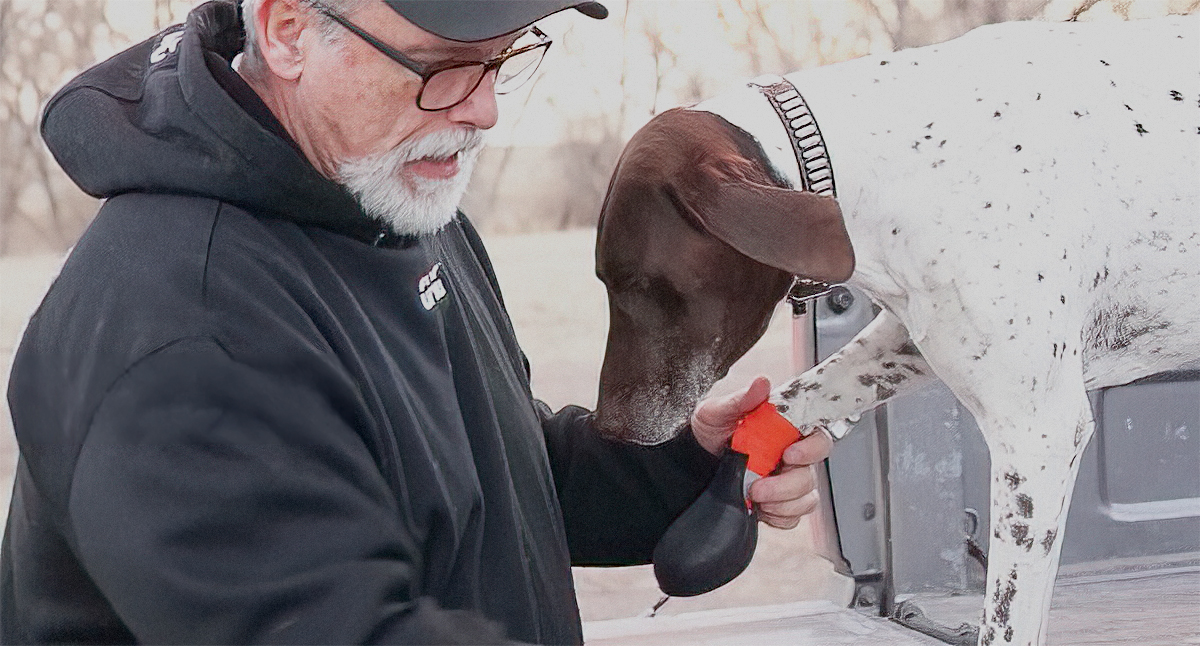
A dog that pulls up lame on day two of a five-day hunt isn't just uncomfortable. It's done for the trip. Cut pads, thorn punctures, and cracked skin from ice all end a season early just as fast as a real injury, and none of them are things a dog can tell you about before it's already limping. Lewis Dog Boots have been the answer a lot of serious hunters reach for since 1949, and after this many decades on the market, they've earned a reputation that's worth looking at honestly, not just repeating.
What They're Made Of
Lewis Dog Boots are built from actual tire rubber, tread and all, which is a fairly direct answer to the question of durability: it's the same material built to survive road friction, asked to survive briars and rock instead. Drain holes in the boot double as ventilation, letting a dog's foot breathe and keeping moisture from pooling inside during a long day. Each pack comes with 4 boots, sized Medium through 2X-Large to fit most breeds working upland or waterfowl cover.
Fitting and Taping
Measure from the back of the triangular foot pad to the longest toenail, after trimming the nails, since they sit inside the boot and throw off the measurement if left long. Match that number against the size chart below rather than guessing from breed or weight.
| Size | Paw Length (in) |
|---|---|
| Medium | 2.75 |
| Large | 3.00 |
| X-Large | 3.50 |
| 2X-Large | 4.25 |
The boots themselves secure with tape, and how you tape them matters more than most first-timers expect. Experienced users wrap the leg with a stretchy pre-wrap before taping over it with duct tape, so the tape sticks to itself instead of pulling directly on the dog's hair and skin when it comes off. Keep a pair of scissors on hand in the field to cut boots free cleanly at the end of the day rather than working tape loose by hand.
What to Expect in the Field
Most dogs high-step and fuss for the first few minutes in new boots, then settle into a normal gait. Putting the boots on at home or during a training session ahead of opening day gives a dog time to work through that adjustment before it counts. Once broken in, hunters running these boots in thorny upland cover and cattails report exactly what the material promises: dogs coming off a hard hunt without the pad cuts and thorn punctures that used to mean stopping to doctor a foot mid-drive. Snow and ice call for one adjustment. Running tape further up the leg protects against cuts from a sharp, frozen crust above where the boot itself ends.
Boots can still work loose or collect debris, especially in heavy brush that catches an edge, or if the original tape job wasn't snug. Check a dog's feet periodically through the day rather than assuming a boot that went on tight in the morning is still doing its job by afternoon.
Pros
- Genuine tire rubber construction holds up to real abrasion from rocks and briars
- Drain holes double as ventilation, reducing moisture buildup on long days
- Available in four sizes to fit most breeds working upland or waterfowl cover
Cons
- Requires taping for every use, more setup than a strap-on boot
- Heavy leg feathering on some breeds makes a snug tape job harder to achieve
- Boots can work loose in the heaviest cover and need periodic checking
Care Between Hunts
Rinse mud off with plain water after a day in the field and let the boots air dry away from direct heat, since direct heat can stiffen the rubber over time. Store them somewhere dry and ventilated to protect the seams. Before the next outing, check the outer surface and edges for abrasion, and clear off any dried soil that's built up, since packed debris along the edges is what causes chafing on the next wear.
Frequently Asked Questions
What are Lewis Dog Boots made of?
Actual tire rubber, with tread on the sole for traction. That's the same durability logic as a tire itself: a material built to survive abrasion, not a fabric or synthetic boot built to look tough.
How do Lewis Dog Boots stay on a dog's foot?
Tape, applied directly over the boot and up onto the leg. Most experienced users wrap the leg with a stretch pre-wrap first so the tape adheres to itself rather than pulling on the dog's hair, then finish with duct tape over the top.
Will my dog have trouble adjusting to Lewis Dog Boots?
Most dogs high-step or fuss for the first few minutes, then settle in and move normally. Putting the boots on at home or during a training session before the first hunt gives a dog time to work through that adjustment somewhere lower-stakes than the field.
How do I measure my dog for the right size?
Trim the toenails first, since they sit inside the boot, then measure from the back of the triangular pad to the longest toenail. Match that measurement against the size chart: 2.75 inches for Medium, 3.00 for Large, 3.50 for X-Large, and 4.25 for 2X-Large.
Are Lewis Dog Boots good for snow and ice, or just briars and rocks?
Both, with one adjustment. For snow and ice, running duct tape further up the leg helps protect against the kind of cuts a sharp, frozen crust can cause above where the boot itself ends.
Do the boots ever come off in the field?
Occasionally, especially in heavy brush that snags a boot's edge, or if the tape job wasn't snug to begin with. Check a dog's feet periodically during a hunt, both for boots that have loosened and for debris that's worked its way inside.
Will these boots fit a dog with long leg hair?
It depends on the dog. Breeds with heavy leg feathering, like a Wirehaired Pointing Griffon's, can make a snug tape job harder to achieve than it is on a smooth-coated dog. Trimming the hair around the lower leg before taping can make a real difference in how well the boot stays put.
Related Resources
As always, our goal here at Dogs Unlimited is to help you Make Your Good Dog Better, starting with feet that can finish the season.