
Hunting Dog First Aid Kit: What to Pack
Tuesday, August 18th 2026
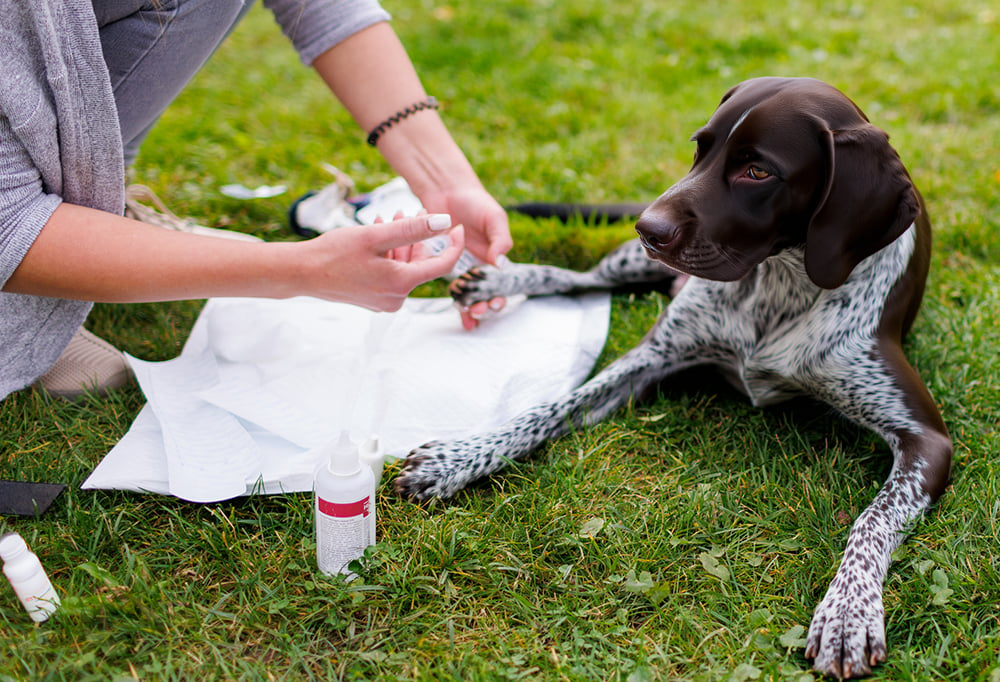
Barbed wire, broken ice, cactus, a hidden shard of glass in a fencerow. Every season produces an injury nobody saw coming, usually miles from the truck and further from a vet. What you're carrying when it happens is the difference between handling it and losing the rest of the day, or worse.
- Full-season, remote hunts: Dogworx K9 Medkit Working Dog Edition or Ready Dog Professional First Aid Kit
- Standard day hunts with reliable cell service: Ready Dog Gun Dog First Aid Kit
- Lightweight, easy carry for training or short trips: Dogworx K9 Medkit Trail Mini
- Adding wound-closure capability to an existing kit: Ready Dog Wound Care Pack CX
Comparing the Kits
| Kit | Size / Weight | Standout Contents | Best For |
|---|---|---|---|
| Dogworx Working Dog Edition | 8" x 6" x 5", about 2.1 lbs stocked | 100 items, detachable wound care pouch with skin stapler, tourniquet, MOLLE-compatible | Full-season carry, remote hunts |
| Dogworx Trail Mini | 5" x 7", about 1 lb stocked | Core wound care and bleeding control in a compact MOLLE pouch | Training days, short trips, easy carry |
| Ready Dog Professional | Heavy-duty bag with removable field pouch | QuikClot bleeding control dressing, skin stapler, anti-diarrheal, burn gel with lidocaine | Serious field emergencies, remote camps |
| Ready Dog Gun Dog | Heavy-duty bag with removable field pouch | Skin stapler, wound dressings, without the QuikClot, anti-diarrheal, or burn gel of the Professional kit | Standard hunting days |
| Ready Dog Wound Care Pack CX | Compact, single-purpose pack | Skin stapler, staple remover, eye wash, QuikClot bleeding control dressing | Adding wound closure to a kit that doesn't already have it |
A Closer Look
Dogworx Working Dog Edition
Pros
- 100 items covers nearly every field scenario without needing to supplement
- Detachable wound care pouch keeps the most urgent tools separate and fast to grab
- MOLLE-compatible design straps to a vest, pack, or kennel
Cons
- Bulkier than a kit built for a single dog on a day hunt
Ready Dog Professional First Aid Kit
Pros
- QuikClot Bleeding Control Dressing for serious hemorrhage
- Adds anti-diarrheal medication and burn gel with lidocaine that the Gun Dog kit doesn't include
- Removable Field Pouch fits inside a hunting vest for the essentials only
Cons
- The full bag is more than most hunters need for a standard day trip
Dogworx Trail Mini
Pros
- About a pound fully stocked, easy to keep in a truck, pack, or attached to a vest
- Still covers the core basics: bleeding control, wound dressing, antihistamine
Cons
- No skin stapler or tourniquet, so it's not built for a serious trauma event
What to Look For
Every kit on this list handles the basics: wound cleaning, dressing, and protecting an injury until you can get to a vet. What separates them is how they handle the worse scenarios. A skin stapler closes a real cut faster and more securely than gauze and tape alone. A hemostatic dressing or granule product controls bleeding that wouldn't stop otherwise. A tourniquet is there for the injury nobody wants to think about but needs to be ready for anyway. Decide how remote your hunting actually is, and let that decide how much kit you carry.
Rounding Out Your Kit
A few individual supplies are worth keeping on hand regardless of which kit you build around, especially for injuries that don't need a full trauma response:
- Kwik-Stop Styptic Powder for a torn nail or minor bleeding that a bandage alone won't stop
- Tick Nipper for full, clean tick removal in tick country
- Hemostat for pulling debris, burrs, or foreign objects a wound has trapped
- Mud River Wound Gel for smaller cuts and abrasions that don't need stapling
Pre-Season Check
Open the kit before the season starts, not after the first injury. Confirm any medications aren't expired, replace anything already opened from last year, and make sure the bag itself is dry and the zippers still work. If you're running more than one dog, or hunting with a group, confirm everyone in the party knows exactly where the kit lives in the truck.
Frequently Asked Questions
What should every hunting dog first aid kit contain?
Wound dressings, rolled gauze, self-adhering bandage wrap, antiseptic supplies, saline or eye wash, tweezers, bandage scissors, exam gloves, and something to stop active bleeding, like a hemostatic powder or granules. Choose a kit based on where you hunt and how far you'll be from a veterinarian.
Can a dog first aid kit replace veterinary care?
No. A first aid kit provides immediate field care until your dog can be evaluated by a veterinarian. Serious wounds, heavy bleeding, heat illness, fractures, and snake bites all need professional treatment as soon as possible.
Do I need a skin stapler in my kit?
For serious cuts and skin tears, a skin stapler closes a wound faster and more securely than most field alternatives. It's standard in most of the more complete kits for exactly that reason, though it takes a little practice to use with confidence.
What's the difference between a compact kit and a full kit?
A compact kit covers the basics in a small, easy-to-carry package, good for an afternoon hunt or a training session. A full kit adds tools for more serious field emergencies, like a skin stapler, hemostatic granules, and a tourniquet, and is better suited to remote camps and extended trips.
Should I carry a first aid kit during training, not just hunting?
Yes. A significant number of hunting dog injuries happen during preseason conditioning and training, not just during the hunt itself. If your dog is working, the kit should be with you.
How often should I check and restock my first aid kit?
Before every season at minimum, and after any trip where you used supplies. Check for expired medications, replace anything opened or damaged, and confirm the bag itself is still dry and intact.
Related Resources
As always, our goal here at Dogs Unlimited is to help you Make Your Good Dog Better, and a well-stocked kit is what keeps a bad afternoon from becoming a lost season.