
DVDs / Electronic Media for Field-Ready Training
Hunting Dog Training DVDs and Video Guides for Gun Dog Handlers
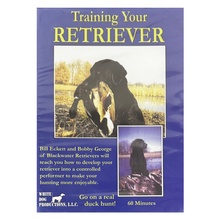
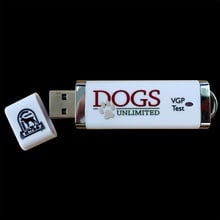
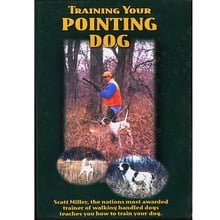
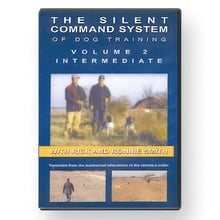
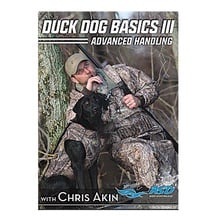
Hunting dog training DVDs close the gap between knowing what to do and knowing how it actually looks when a finished handler does it — timing, pressure, positioning, and the read on a dog that no written description fully captures. For handlers preparing for competition, the field trial and hunt test supplies page covers the event-day gear that goes with a dog trained to that standard, and the hunting dog training books page has the written programs these videos put into motion. Chris Akin's Duck Dog Basics series across three volumes is the retriever foundation-to-intermediate progression for duck dogs that need cleaner retrieves and steadier line manners before season opens. Scott Miller's Training Your Pointing Dog and From Pointing to Forced Retrieving cover bird contact, steadiness, and the forced retrieve transition without the common mistake of letting one unravel the other. Buddy Smith's Bird Dog Boot Camp is the from-scratch program for pointing dog handlers who want a clear starting point and a logical sequence to follow. Sherry Ray Ebert's Training Setters and Continental Breeds addresses the specific considerations those breeds bring that generic pointing dog programs don't account for. For German versatile dog handlers, the VDD-GNA JGHV VJP, HZP, and VGP test videos — available on DVD and USB — show exactly how each test runs, what the dog is expected to demonstrate, and how the handler's role plays out before you ever step onto the grounds. USB format travels to the training property; DVD works at home where you can pause, rewind, and take notes. Questions about which program fits your dog and where you're headed? Call us at 800-338-3647.











Choose media that matches your dog and goals
Start by matching the program to your dog’s work: pointing dogs and setter/continental breed work call for different drills than duck dog and retriever setups. If you’re preparing for a test, a JGHV test video helps you visualize expectations and handler timing before you step on the grounds. Pay attention to how each program approaches commands and transitions—especially when moving from basics to intermediate work. DVDs are straightforward for home viewing, while a USB drive makes it easier to keep the same reference in the truck or at a training field.
Questions handlers ask before choosing training media
What’s the difference between a hunting dog training DVD and a test video?
A hunting dog training DVD focuses on drills and progression you run in day-to-day training. A test video focuses on how a specific test is evaluated and what the dog and handler are expected to show.
Should I start with Duck Dog Basics or an intermediate command system?
Duck Dog Basics is the starting point when a dog still needs foundation on retrieving and control. An intermediate command system fits better once the dog understands basics and you’re tightening responses under distractions.
When does a handler use a JGHV VJP, HZP, or VGP video?
A JGHV VJP, HZP, or VGP video is used when you want to study how the tests run and what the judges look for. A JGHV video also helps you set training priorities and avoid surprises on test day.
Is retriever training media useful for a duck dog headed into waterfowl season?
Retriever training media is useful for a duck dog when you need cleaner retrieves, steadier line manners, and more consistent handling in decoys and cold water. Retriever instruction also helps when you’re balancing drive with control during long sits and multiple marks.
How do I choose between DVDs and a USB drive for training videos?
DVDs work well for a dedicated viewing setup at home where you can take notes and rewatch sequences. A USB drive works well when you want the same material accessible in the truck or at a training property.
What should I watch for when training a pointing dog from pointing to forced retrieving?
Training a pointing dog from pointing to forced retrieving should keep standards clear on the retrieve without unraveling steadiness and style. Forced retrieving work also goes smoother when the handler keeps sessions short and consistent and avoids mixing drills that confuse the dog.