
Force Style Dog Collars
Force Style Dog Collars for Gun Dog Training and Obedience Work
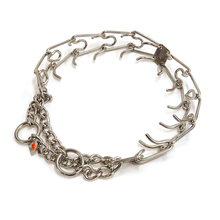
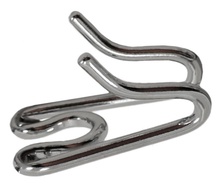
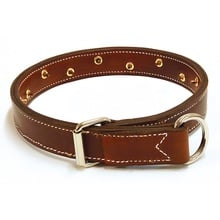
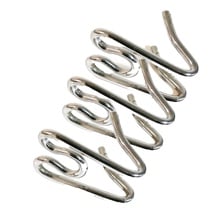
Trainers who use force style collars aren't looking for a shortcut — they're looking for clear, consistent communication with a dog that's reached the point in its training where precision matters. Used correctly and at the right stage, these collars give a handler the ability to deliver a correction that the dog reads clearly and releases cleanly, without the ambiguity that comes from a flat collar or a dog that's learned to ignore leash pressure. The Herm Sprenger Ultra-Plus prong collar is the precision end of this category — stainless steel, German-made, with 3.2mm links that distribute correction evenly around the neck rather than concentrating pressure at a single point. The detachable links let you size it exactly, and the stainless steel construction holds up in the field without rusting out after a wet season. For younger dogs or handlers who want a gentler approach to the same principle, the FieldKing No Hurt Training Collar does the job in leather — 13 flattened, blunted copper rivet spikes and a spring release system that lets the collar back off after the correction rather than holding pressure. It's hand-sewn, built to last, and well suited to dogs in the early stages of gun dog training where sharp pressure would do more harm than good. Both collars work naturally alongside check cords and steadying tools in a structured program. If you're putting together a training setup and want guidance on which collar fits where your dog is right now, call us at 800-338-3647 — it's a conversation worth having before you order.
Choosing the right force style collar
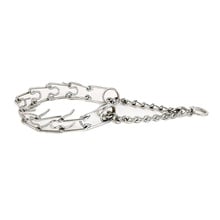
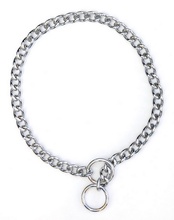
Force style training collars vary by how they apply pressure and how quickly they release, which changes the feel in your hand and the timing the dog gets. A prong dog training collar or pinch dog collar is typically used for precise, on-and-off feedback, while a choke chain dog collar relies more on lead tension and release. A spiked training dog collar is a different tool with a different feel, so fit and handling matter even more. Keep sessions short, check the collar position often, and size links correctly so the collar stays where it’s supposed to work.
Force style collar questions
What is a force style dog collar used for in training?
A force style dog collar is used to give clear, immediate feedback through the lead during obedience and handling work. A force style dog collar is most often chosen when a dog ignores lighter gear and you need consistent control.
Prong dog training collar vs choke chain dog collar: what’s the difference?
A prong dog training collar delivers more defined on-and-off pressure when the lead tightens and releases. A choke chain dog collar applies pressure by sliding and tightening, so timing and release depend heavily on the handler.
When would you use a spiked training dog collar?
A spiked training dog collar is used when a handler needs a firm handling tool for dogs that push through pressure on the lead. A spiked training dog collar requires careful sizing and placement so the feedback stays consistent.
How do I size a stainless steel prong collar link correctly?
A stainless steel prong collar link should be added or removed so the collar sits high on the neck and stays snug without sliding. A stainless steel prong collar link fit that’s too loose tends to drift and gives inconsistent correction timing.
Can a pinch dog collar be used for obedience work in the yard and the field?
A pinch dog collar can be used for obedience work anywhere you’re handling a dog on a lead and need clear feedback. A pinch dog collar is commonly kept for controlled sessions where the handler can maintain good timing and quick release.
What should I say when I’m voice-searching for these training collars?
A useful voice search phrase is “force style dog collars for training control” to surface the right collar types for lead handling. Another strong voice search phrase is “prong dog training collar stainless steel” when material matters to you.