
Dog Training Leads for Field Work and Kennel
Dura-Lon Dog Leashes Built for Daily Training and Hard Field Use
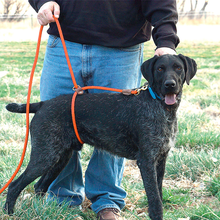
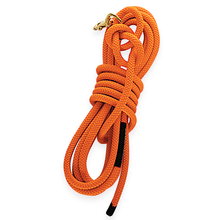
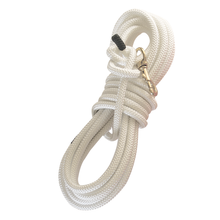
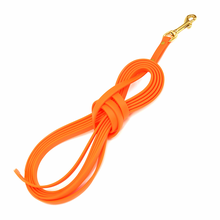
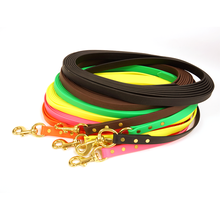
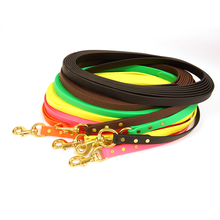
Dura-Lon dog leashes sit at the practical end of the full dog leashes and leads lineup — the same weatherproof, easy-clean material as the Dura-Lon collars, built for handlers who run the same dog through daily yard work, hunting days, and travel without babying the gear. The material doesn't absorb water, doesn't break down in the weather, and wipes clean after a marsh retrieve or a muddy kennel hose-down. The standard Dura-Lon leash covers close handling at heel, moving to the line, and controlling a dog through high-traffic spots like parking areas and boat ramps. When you want the same dependable material cut to a specific length you've settled on, the custom option is built to your specs through the Dogs Unlimited Custom Shop. Questions about which setup fits your training routine? Call us at 800-338-3647.




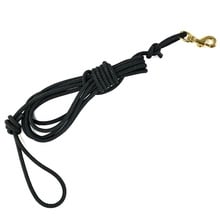
Choosing the right lead length and style
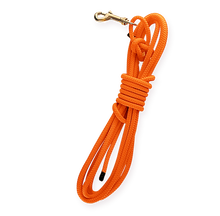
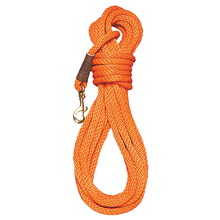
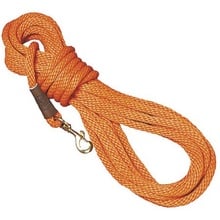
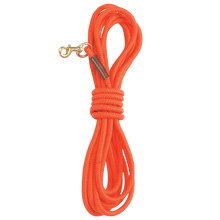
A check cord is the workhorse for steadiness drills, recall proofing, and controlled introductions to birds or the gun. Shorter lengths stay out of the way when you’re heeling, loading up, or moving through tight cover, while longer cords give room for handling at distance without letting a young dog self-reward. A puppy check cord helps keep early sessions clean and tangle-free when attention spans are short. For running a dog alongside an ATV or truck, a roading check cord gives controlled freedom without a hard jerk at the end of the line.
Dog training lead FAQs for field use
What is a check cord used for in dog training?
A check cord is used to control a dog at distance during recall, steadiness, and stop-to-command drills. A check cord gives the handler a physical connection while the dog is still learning to comply off-lead.
Check cord vs training lead: what’s the difference?
A check cord is typically a longer line used for distance control in the field. A training lead is usually shorter for close handling, heeling work, and day-to-day control around the kennel.
When would I use a roading check cord?
A roading check cord is used when conditioning a dog alongside a vehicle or bike while keeping controlled spacing. A roading check cord helps prevent the dog from crowding, forging, or drifting into hazards.
What length check cord should I start with for a young dog?
A puppy check cord is a common starting point when a young dog is learning recall and basic control. A puppy check cord keeps sessions manageable and helps reduce tangles while the dog is still learning.
How do I keep a check cord from tangling in cover?
Check cord management starts with keeping coils organized and choosing a length that matches the terrain and drill. A check cord tangles less when the handler moves with purpose and avoids letting excess line drag through brush.
What should I use to walk two dogs on one line?
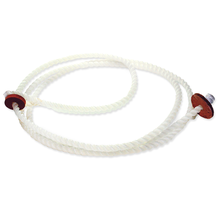
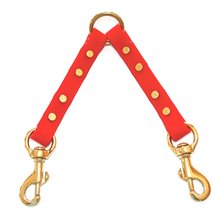
A dog coupler connects two dogs to a single handler line for controlled walking. A dog coupler helps keep spacing consistent when moving dogs to and from training grounds or the kennel.