
Chaps & Gaiters for Field Work and Training
Hunting Chaps and Gaiters for Upland Hunters and Field Trial Handlers
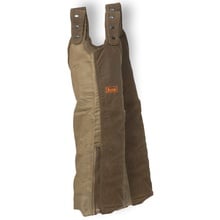
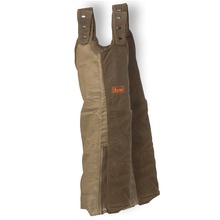
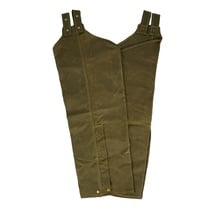
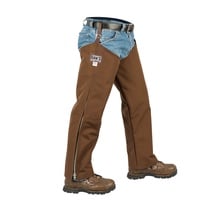
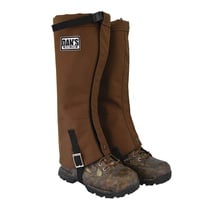
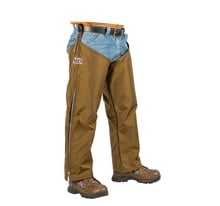
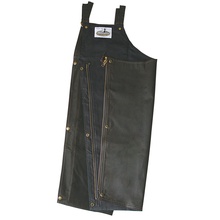
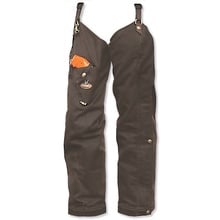
Hunting chaps and gaiters for upland hunters are what keep a handler moving through the cover that slows everyone else down — the October cattails, the November standing corn, the briar thickets and rattlesnake country that a gun dog goes through without a second thought while a handler in the wrong gear stands at the edge deciding whether it's worth it. Upland hunting jackets, vests, and game bags and hunting shirts for upland hunters round out the rest of what a handler wears through a long day in heavy cover, all within the Hunter Afield clothing department. The HuntSmith Collection by Shinnery Enterprises is the standard — all chaps cut to order from oilcloth with solid brass hardware and calfskin leather cuffs, built to outlast the dogs that wear out the cover rather than hold up for a season or two before the seams start going; allow three to six weeks for delivery on all HuntSmith pieces. The Field Trial Chaps — 100% oilcloth outer, 10oz cotton canvas lining, zip-to-hip with snaps for stability, side loop over the belt, water and wind resistant, and light enough to move in all day whether you're on foot or on horseback. The Retriever Chaps are the option for handlers who want the chap built around how they specifically work dogs — oilcloth and 10oz canvas, One Leg At A Time adjustable belt loops with Velcro, and available with an e-collar pocket of mesh and oilcloth that holds a transmitter antenna-up or antenna-down and allows full operation while in the pocket, plus a flap pocket the right size for a judge's book. Gaiters from Dan's and TurtleSkin, protect the lower leg through the early season terrain where rattlesnakes are a genuine consideration — the brush country and creek bottoms that produce birds precisely because most people don't push through them. Questions about which chaps or gaiters fit how you hunt and work dogs? Call us at 800-338-3647.



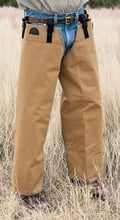
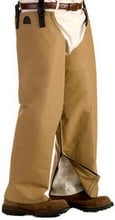
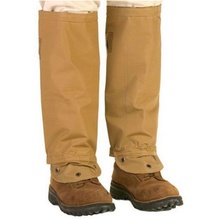
How to Choose Chaps vs. Gaiters
Chaps cover more leg and take more abuse in thick brush, while gaiters focus on lower legs and pair well with long walks and lighter cover. If you run dogs in early season dew or marsh edges, look for materials that handle repeated wet grass without staying soggy. In rocky draws and thorn patches, tougher fabrics hold up better when you’re kneeling, stepping over deadfall, and pushing through tangles. For snake-prone country, snake protection chaps and snake gaiters make sense when you’re working cover where you can’t see the ground and you need protection you can count on.
Chaps & Gaiters FAQs for Hunters and Trainers
What’s the difference between chaps and gaiters for field work?
Chaps protect more of the leg, while gaiters focus on the lower leg and boot area. Chaps make sense in thick briars and brush, and gaiters fit better when you want less bulk on long walks.
Are snake protection chaps the same as snake gaiters?
Snake protection chaps cover more leg length than snake gaiters. Snake gaiters concentrate protection on the lower leg where strikes often land when you’re walking tight cover.
When should I choose snake gaiters instead of full snake chaps?
Snake gaiters make sense when you want lower-leg coverage with less material while walking and training. Snake chaps are a better fit when you’re pushing heavy cover where more of your leg is exposed.
What materials hold up best for upland hunting chaps in briars?
Waxed canvas chaps and oiled cotton chaps are common choices for abrasive brush and repeated contact with thorns. Those fabrics are often chosen when you expect hard use in coverts and fencerows.
Do field trial chaps work differently than retriever chaps?
Field trial chaps are typically chosen for long days of walking and handling in mixed cover. Retriever chaps are often picked when you expect wet edges and repeated contact with waterlogged grass.
What are snake armor gaiters?
Snake armor gaiters are gaiters intended to protect the lower legs in snake country. Snake armor gaiters are commonly worn when walking through cover where footing and visibility are limited.