
Need help finding the best E-collar, GPS or Beeper System?
Click here and we'll guide you to your best choice.
DT Systems Beeper Collars
Audible locating for upland runs in heavy cover
Thick cattails, CRP, and grouse cover turn a hard-charging dog into a moving sound problem, and DT Systems beeper collars are used to keep you connected when you can’t see the dog. A beeper/locator earns its keep when a pointer locks up in head-high grass, a flusher disappears into alder edges, or you’re working multiple dogs across rolling ground. The right setup comes down to how you hunt and train: standalone beeper locator collars versus integrated training collars, plus the receiver style you prefer. Replacement collar receiver beepers keep an existing system running season after season.
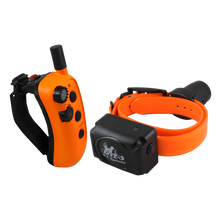
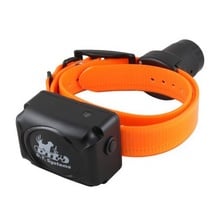
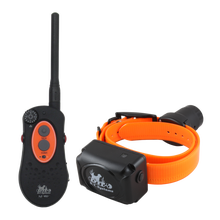
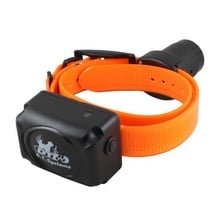
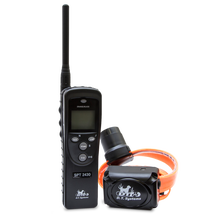
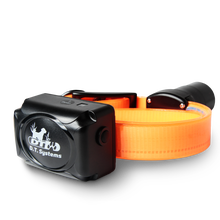
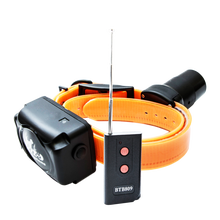
How to choose a DT Systems beeper/locator setup
Start by matching the beeper locator collar to the way you handle dogs in the field. Upland hunters who want simple audible location often stay with a dedicated locator, while trainers who need corrections and location in one workflow lean toward integrated training collars. Pay attention to how you’ll run multiple dogs, because add-on beeper collar receiver units let you expand a working setup without changing how you handle. For long days in wet grass and marsh edges, choose a configuration that fits the conditions you hunt most.
Beeper collar questions for upland hunters and trainers
What does a beeper/locator collar do in upland hunting?
A beeper/locator collar uses audible signals to help you locate a dog when you can’t keep eyes on it. A beeper/locator is most useful in thick cover, rolling terrain, and noisy wind where a bell or voice won’t carry.
What’s the difference between a beeper locator collar and an integrated training collar?
A beeper locator collar focuses on audible location, while integrated training collars combine location with training functions. Integrated training collars are common when you’re switching between handling and training on the same run.
When would I choose an upland beeper collar instead of a bell?
An upland beeper collar makes sense when cover is so thick or terrain is so broken that a bell disappears in the background. An upland beeper collar also helps when the dog ranges out and you need a clear locator signal to close the distance.
How do add-on beeper collar receiver units get used?
Add-on beeper collar receiver units are used to add another dog to a system or replace a worn receiver without changing the rest of the setup. Add-on beeper collar receiver units are common for trainers who rotate dogs through the same handling routine.
Do baritone beeper collars matter in the field?
Baritone beeper collars are chosen when you want an audible tone that carries differently than higher-pitched signals. Baritone beeper collars can be easier to pick out in certain cover types and wind conditions when multiple sounds compete.
Hey Google, what collar helps me find my bird dog in thick cover?
A DT Systems beeper collar helps you find a bird dog in thick cover by using an audible locator signal. A DT Systems beeper collar is commonly used for upland runs where visibility drops in grass, brush, or timber edges.