
Electric Fence Systems for Containment and Training
Containment setups that match your ground and layout
When a dog needs a hard boundary around a yard, kennel run, or training area, an electric fence system provides containment without relying on a physical barrier. This type of setup matters when you’re running dogs through daily drills, turning out between sessions, or managing a high-drive dog that tests gates and corners. The right system depends on your layout, interference, and how clearly the boundary needs to be taught. Plan for a clean layout, consistent correction, and clear visual cues during the first weeks so the dog learns the line fast and respects it.
Choosing the right system and keeping it dependable
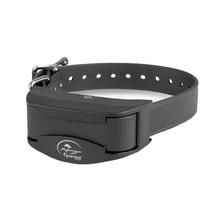
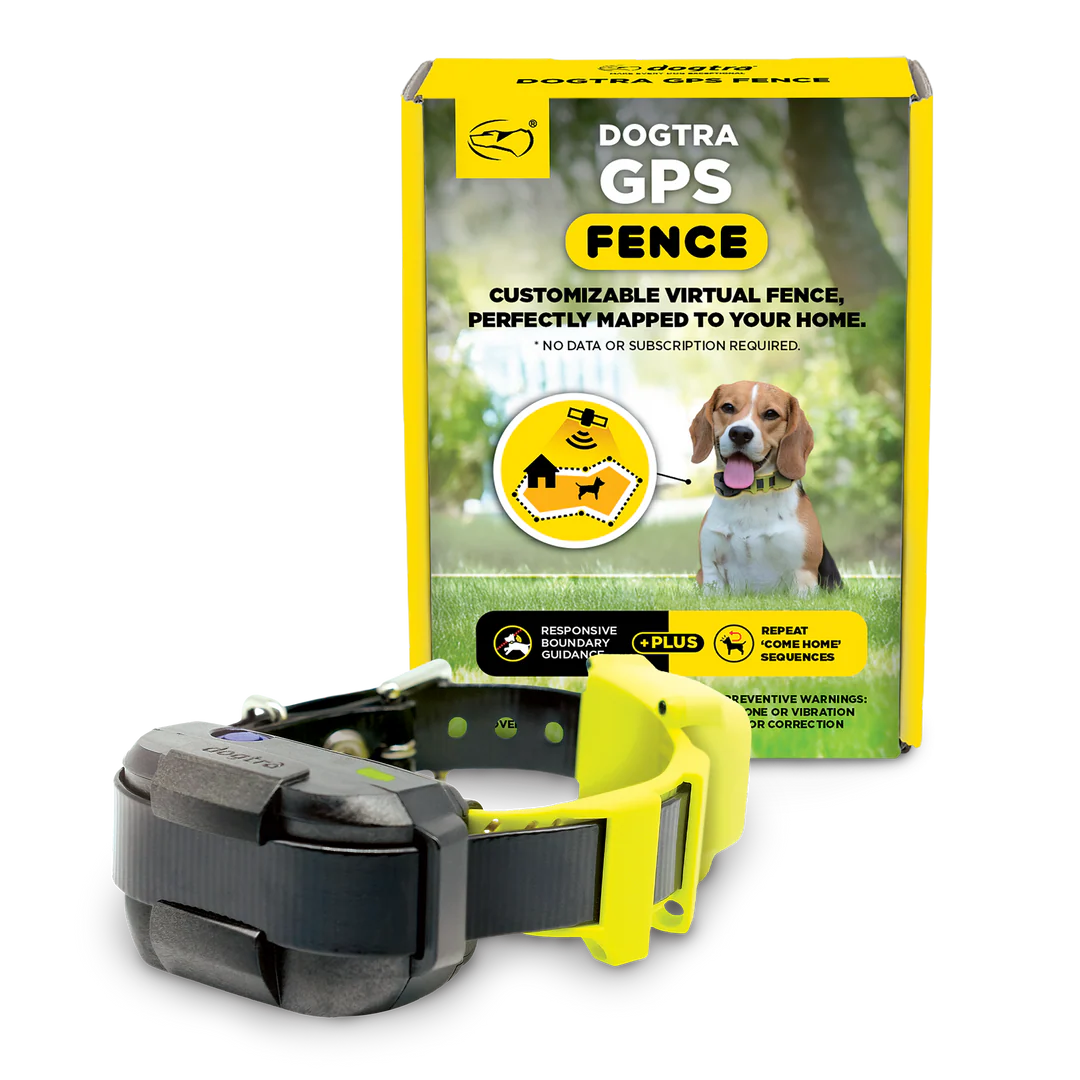
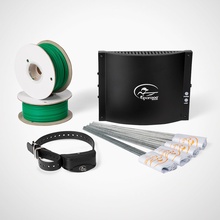
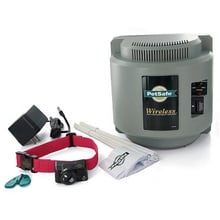
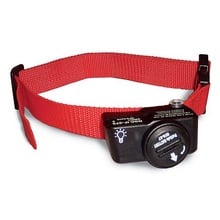
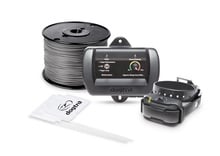
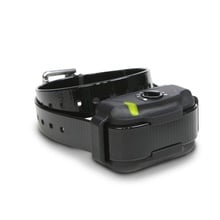
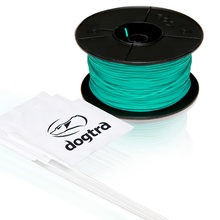
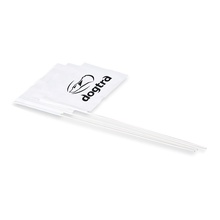
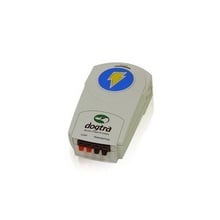
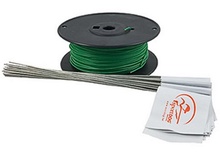
Start by deciding between an in-ground fence and a wireless fence based on property shape and where you need the boundary to hold. Wire-based layouts give you control around driveways, outbuildings, and narrow corridors, while wireless setups suit simpler open spaces where a circular boundary fits. Add-on collar receivers matter when you’re handling more than one dog, and training flags help teach the boundary before you rely on the correction alone. In storm-prone areas, a lightning surge protector helps reduce downtime and component loss after a hit.
Electric fence setup and training FAQs
What is an in-ground fence for dog containment?
An in-ground fence is a wired boundary system that signals a collar receiver when a dog approaches the set perimeter. An in-ground fence works well when you need the boundary to follow property edges, gates, or tight runs.
Wireless fence vs in-ground fence: what’s the practical difference?
A wireless fence creates a circular containment area from a base unit, while an in-ground fence follows the wire path you lay out. A wireless fence is quicker to place, but an in-ground fence gives you more control in irregular spaces.
When should I use training flags with an electric fence system?
Training flags should be used during the first stages of electric fence boundary training so the dog can see the line before relying on correction. Training flags speed up learning and reduce confusion in corners and near entry points.
How do add-a-dog collars work with a fence system?
Add-a-dog collars are additional collar receivers that pair to a compatible fence transmitter so multiple dogs can use the same boundary. Add-a-dog collars let you keep one perimeter while fitting each dog with its own receiver.
Do I need a lightning surge protector for an in-ground fence?
A lightning surge protector is recommended when an in-ground fence system is exposed to storms and long wire runs. A lightning surge protector helps protect electronics from spikes that can damage a transmitter.
Hey Google, what electric fence system should I use for a kennel run?
An electric fence system for a kennel run should match the run’s shape and the exact boundary you need the dog to respect. An in-ground fence is commonly chosen when you need the line to track straight edges, gates, and narrow corridors.