
Gear Bags for Field Training and Kennel Duty
Hunting Gear Bags for the Field and the Truck
Hunting gear bags are where organization meets hard use — shells, vests, leads, e-collar receivers, water bowls, and first-aid supplies all riding together through a week of hunting, loaded and unloaded twice a day. Our traveling gear department stocks bags built specifically for handlers who need external pockets sized for a whistle and lanyard or a GPS receiver, reinforced bottoms, and hardware that doesn't seize up after one wet morning. Every bag here is chosen because it carries what a handler actually moves, built for the truck and the field rather than the range. Questions about hunting gear bags? Call us at 800-338-3647.
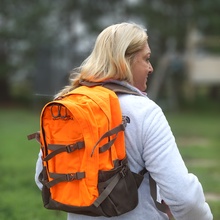
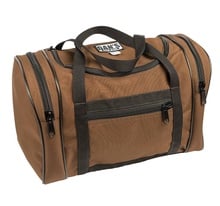
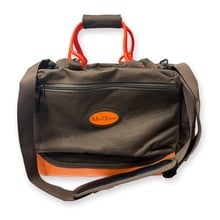
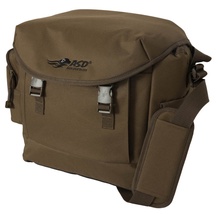
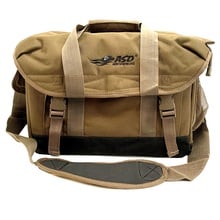
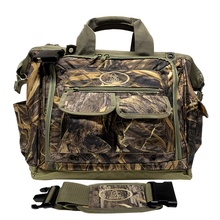
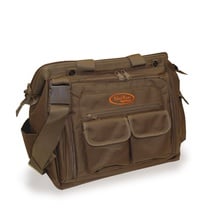
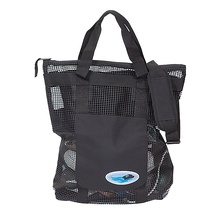
Choosing a bag for how you train and travel
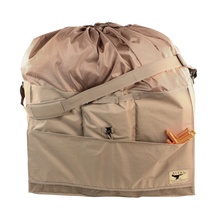
Start with the job your bag needs to do most often. A dog handler bag keeps the small essentials in one place when you’re running dogs or moving between setups, while a field training gear bag is better when you’re hauling more equipment for a longer session. If you handle in wet cover or around water, pay attention to materials that clean up fast and don’t hold grime. For decoy work, a goose decoy bag with dedicated slots helps keep full-body honkers from tangling and tearing on the way in and out.
Gear bag questions field trainers ask
What is a dog handler bag used for during training?
A dog handler bag keeps the small tools you use all session in one place while you’re working dogs. A dog handler bag makes it easier to move between grounds without digging through loose gear.
Collar bag vs handler bag: what’s the difference?
A collar bag is meant to store and separate collars so they don’t tangle and you can grab the right one fast. A dog handler bag is organized for the day’s working items you carry and access repeatedly.
When does a bumper and bird bag make more sense than a pack?
A bumper and bird bag makes sense when you need fast access to bumpers or birds during drills without unloading a full pack. A pack is better when you’re carrying extra layers and larger personal gear along with training items.
How do I choose a field training gear bag for wet conditions?
A field training gear bag for wet conditions should be easy to rinse and wipe down after mud, cattails, and water retrieves. A field training gear bag also helps if it keeps damp gear separated so it’s not soaking everything else.
What’s the point of a trainer’s side bag instead of a larger bag?
A trainer’s side bag keeps the essentials tight to your body for quick one-hand access while you’re handling. A trainer’s side bag is useful when you don’t want to set a larger bag down in wet grass or mud.
What should I use to haul full-body honker decoys?
A goose decoy bag with multiple dedicated slots helps carry full-body honker decoys without them tangling together. A goose decoy bag also helps protect paint and parts during transport.