
Dog Leashes & Leads for Working Dogs and Gun Dogs
Leads that handle check cord drills and daily wear
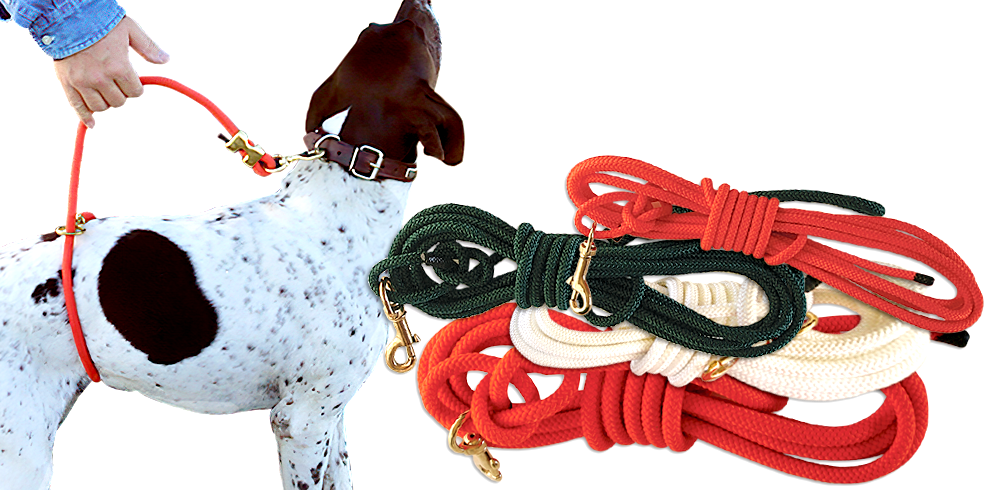
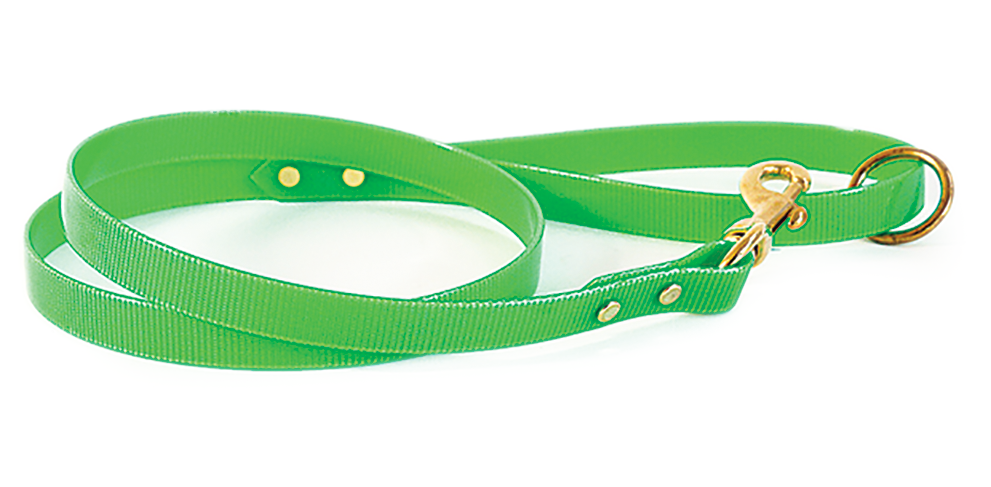
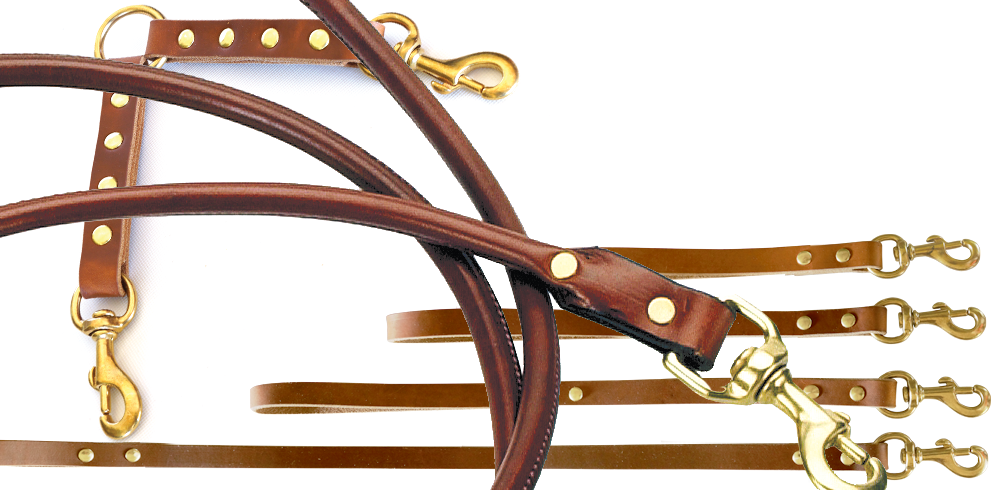
When a gun dog is learning control at distance, the right dog training lead keeps the handler connected without turning every correction into a wrestling match. In wet cover, frozen grass, and sandy training grounds, a lead that holds its grip, manages cleanly in hand, and survives daily kennel use matters more than anything printed on the label. Check cord length shapes the whole session — shorter for close heel work and controlled transitions, longer when you're building range, reinforcing recall, or stopping a dog cleanly at distance. Hardware and material hold up differently across conditions: Dura-Lon and Dura-Flex leashes rinse clean after hard days in the field, while leather leads deliver a traditional feel in the hand that holds up for years with proper care — a standard worth having whether you're running upland hunting dogs, handling at a field trial or hunt test, or simply want a lead built to a higher standard than big box alternatives. Need help matching length and material to your training program? Call us at 800-338-3647.
Choosing the right leash for the job
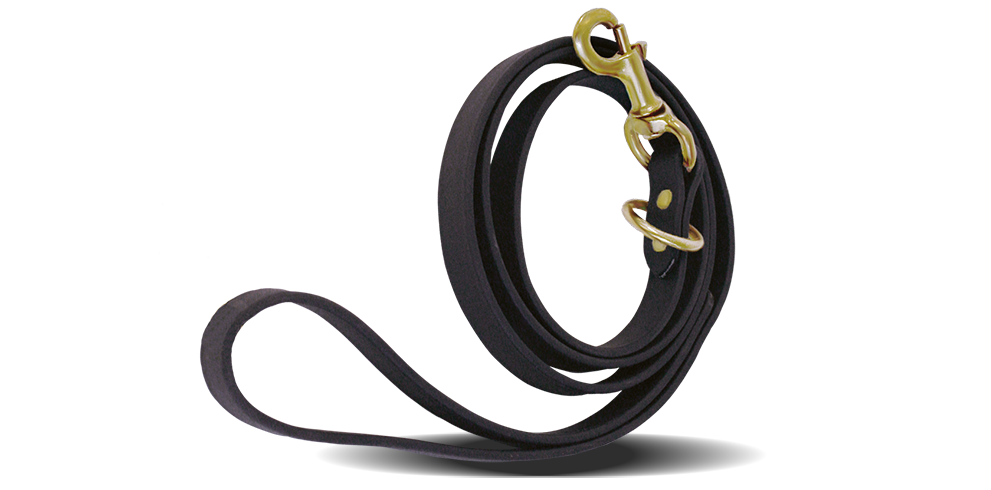
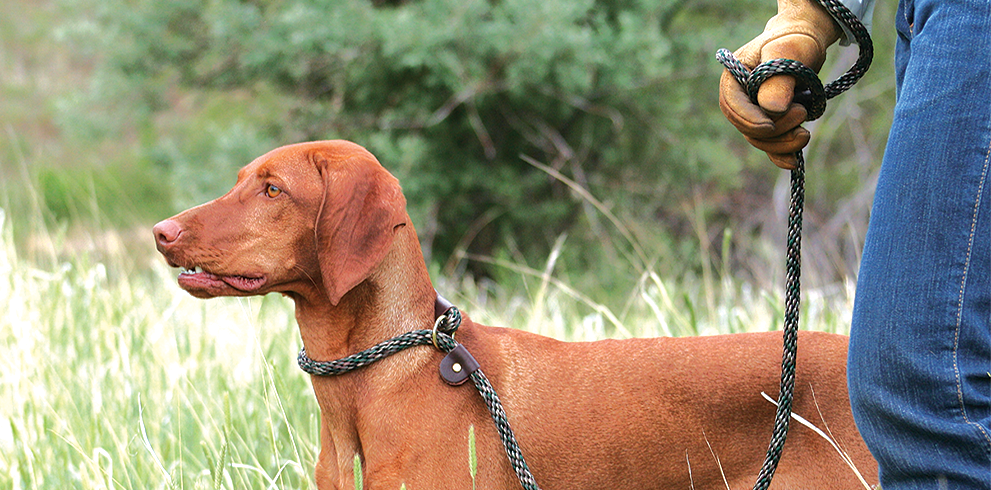
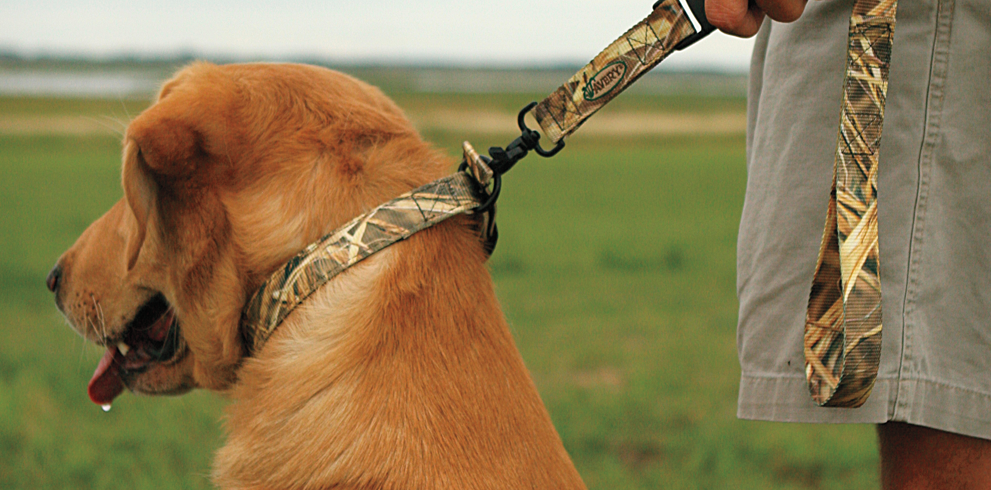
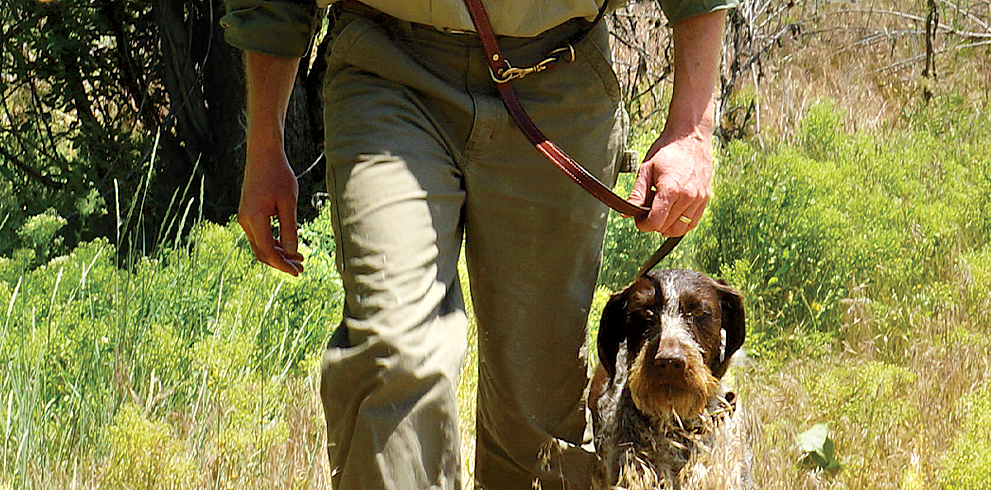
Dog training leads and check cords give you distance when you’re steadying a dog, teaching recall, or handling around distractions. For everyday handling, a shorter heeling lead keeps a dog close at your side without extra slack underfoot. Leather dog leashes bring a traditional feel in the hand, while nylon dog leash options stay simple and dependable for general use. If you’re hard on gear in wet conditions, a BioThane dog leash is commonly chosen for easy cleanup and consistent handling after rain, mud, and kennel washdowns.
Leash and lead questions from trainers
What’s the difference between dog leashes and dog leads?
Dog leashes and dog leads both control a dog on a line, but the wording often reflects how the line is used. Dog leads are commonly talked about in training and handling, while dog leashes are often used for day-to-day walking and field control.
Check cord vs training lead: which should I use?
A check cord is used when you need more distance to reinforce commands, while a training lead is used for closer control at heel. A check cord is common for early obedience and steadiness work, and a shorter lead is common for controlled setups and transitions.
When does a hand-free leash make sense in the uplands?
A hand-free leash makes sense when you need a dog under control while keeping both hands available for gear or birds. A hand-free leash is also practical when you want a temporary tie-out while you work out of a truck or at the edge of cover.
What should I choose for wet, muddy conditions—leather or BioThane?
A BioThane dog leash is commonly chosen when mud and water are constant and you want a line that wipes clean. A leather dog leash is often chosen when you want a traditional feel in the hand and you’re willing to keep it cleaned and cared for.
How do I pick the right length for a heeling lead?
A heeling lead should be short enough to keep slack under control and keep the dog at your side. A heeling lead is most useful when you’re working around other dogs, moving to a holding blind, or handling in tight spaces.
What is a Jaeger lead used for?
A Jaeger lead is used as a hand-free leash that can also serve as a temporary tie-out. A Jaeger lead is common with upland bird hunters who want quick control without juggling a long line.