
Dog Training Collars & Harnesses
Dog Training Collars and Roading Harnesses for Obedience and Conditioning Work
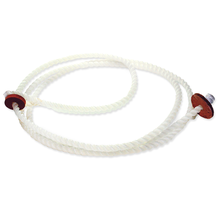
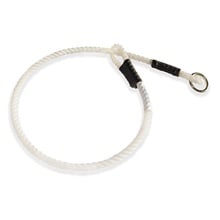
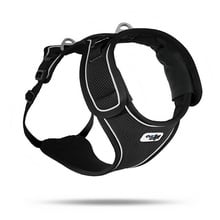
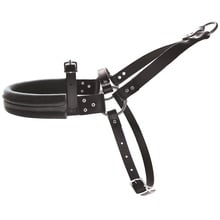
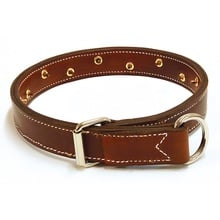
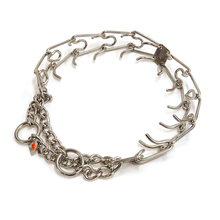
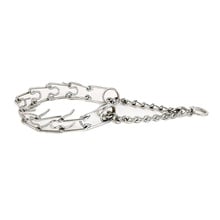
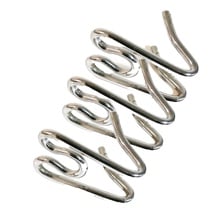
Training collars and roading harnesses are the hands-on end of the hunting dog training gear lineup — the tools that put controlled pressure on a dog when timing, position, and consistent communication matter most. The roading harnesses — a padded nylon option and the FieldKing Belgian bridle leather harness — are built for conditioning work where a dog needs to pull into steady resistance without that load going through the neck. The FieldKing No Hurt Training Collar and the Herm Sprenger Ultra-Plus prong collar are the two force collar options, each described in detail on the force style collar page. The spiked training collar with available extra links is a lighter, lower-cost entry into correction collar work. The Wonder Lead and Lobo Lead are the close-control lead options that pair well with any of these collars for tight obedience sessions and handling transitions. Fit matters more than anything else on this page — a roading harness that shifts or a prong collar that sits too low both create handling problems that undercut the training. If you want to talk through fit or which tool belongs at what stage, call us at 800-338-3647.

Choosing the right collar or harness
A lead-and-collar setup is usually the quickest way to handle a dog in tight quarters, while a roading harness spreads pull across the body for conditioning work. A prong collar changes how pressure is applied, so fit, link size, and placement high on the neck matter as much as leash handling. A spiked training dog collar adds a different kind of correction for specific training situations, but it still needs a steady hand and clean timing. For any option, measure carefully and check for rubbing points before you put miles on a dog.
Training collar and harness FAQs
What’s the difference between a roading harness and a training collar?
A roading harness manages pulling during conditioning by distributing force across the dog’s body. A dog training collar applies pressure at the neck for handling, control, and correction during obedience work.
When would I use a prong collar instead of a flat training collar?
A prong collar is used when you need clearer feedback with less leash force than a standard collar. A prong collar still requires correct fit and placement high on the neck to keep pressure consistent and safe.
How do I size a prong collar correctly?
A prong collar should fit snug high on the neck without sliding down toward the shoulders. A prong collar that hangs low or is too loose tends to give uneven pressure and can create handling problems.
What is a no hurt dog training collar used for?
A no hurt dog training collar is used to apply correction without sharp points while keeping pressure clear and consistent. A no hurt dog training collar is often chosen when you want a training collar style action but with a smoother contact surface.
When should I use a dog roading harness?
A dog roading harness is used for conditioning work where the dog is pulling into steady resistance. A dog roading harness helps keep the pull off the neck during roading sessions and longer workouts.
What should I use to road my dog safely?
A roading harness is the right tool to road a dog because it carries the load on the body instead of the neck. A roading harness should be adjusted so it stays put without rubbing when the dog is moving out.